ICE Agents at Airports: Security Boost or Chaos?
The U.S. is considering placing ICE agents at airports to speed up security lines, but critics fear this could cause chaos. Concerns about agent training and rules of engagement are high, with past incidents fueling apprehension. A political debate over TSA funding also complicates the issue.


ICE Agents Deployed to Airports Amidst Security Concerns
The U.S. government is considering placing Immigration and Customs Enforcement (ICE) agents at airports. The stated goal is to help speed up security screenings. However, this move is raising serious questions about potential chaos and the agents’ role. Many are worried about how this will affect travelers and the overall airport experience.
Agency Claims: A ‘Force Multiplier’
According to Director Holman, ICE agents would act as a ‘force multiplier.’ This means they would support Transportation Security Administration (TSA) agents. The idea is to help move people through security checkpoints more quickly. This could potentially reduce the long lines travelers often face.
Critics Raise Red Flags Over Training and Rules
Critics, however, express significant concerns. They point to a lack of proper training for some ICE agents. There are also worries about their ‘rules of engagement,’ or the guidelines they follow when interacting with people. These rules have been questioned in past incidents across the country.
Past Incidents Fuel Apprehension
Incidents in Minneapolis and other cities have highlighted these concerns. Reports mention individuals being injured or illegally detained by ICE agents. Some critics describe the rules of engagement as overly aggressive. They fear this could lead to similar issues at airports, creating a climate of fear for travelers.
What Will Their Role Be at Airports?
The main question remains: what exactly will ICE agents do at airports? Will they be involved in screening passengers? Or will they have other duties? Without clear guidelines, there is a fear that their presence could lead to confusion and more problems than solutions. This uncertainty is a major source of anxiety for many.
A Political Standoff Over Funding
The debate over ICE agents at airports is tied to a larger political issue. Some lawmakers argue that the conversation about ICE deployment could be avoided. They say this could happen if Congress would simply allow a vote on funding for the TSA. This suggests a political deadlock is at play.
The Proposed Solution
The solution proposed is straightforward. Let lawmakers vote on providing necessary funds for the TSA. If the TSA is adequately funded, it might not need additional help from ICE. This would remove the need to discuss the wisdom of putting immigration enforcement agents in airport security lines.
Global Impact: Security vs. Civil Liberties
The potential deployment of ICE agents at airports touches on a global debate. Many countries grapple with balancing security needs against civil liberties. On one hand, there’s a desire for efficient and safe travel. On the other, there’s a need to protect individuals’ rights and prevent overreach by law enforcement. This situation at U.S. airports could become a model, or a warning, for other nations considering similar measures.
Historical Context: Evolving Security Measures
Airport security has changed dramatically over the years. After events like 9/11, security measures were significantly increased. Agencies like the TSA were created. Now, the idea of using immigration enforcement agents in this role represents another potential shift. It reflects an ongoing effort to find the best ways to ensure safety in public spaces.
Economic Considerations: Travel and Trade
Airports are vital hubs for both travel and commerce. Long delays can disrupt business and tourism. The efficiency of security checks directly impacts the flow of people and goods. If ICE agents can truly speed up processes, it could benefit the economy. However, if their presence causes fear or disrupts travel, it could have negative economic consequences.
Future Scenarios: Cooperation or Conflict?
One possible future is that ICE agents work smoothly alongside TSA. They could help reduce wait times without incident. Another scenario involves increased tension and confusion. This could happen if their roles are unclear or if past issues with rules of engagement repeat. The outcome will likely depend on clear policies and effective training.
The Political Path Forward
Ultimately, the decision rests with lawmakers. The debate highlights the tension between national security goals and public trust. Finding a solution that satisfies both security needs and public concerns will be key. The ongoing political discussions will shape the future of airport security in the United States.
Source: Will ICE agents at airports help or cause more chaos? (YouTube)

Related Articles
TSA Workers Get Paid After Record Absences
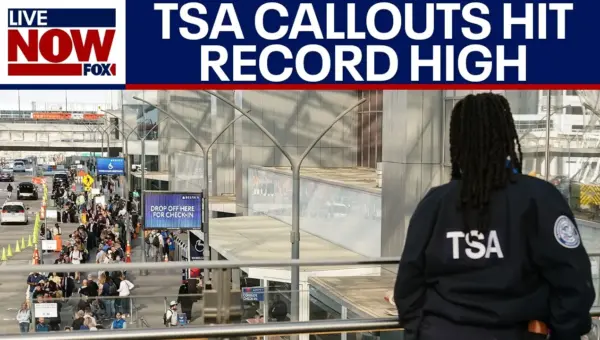
TSA agents will finally receive paychecks after working nearly six weeks without salary, following a directive from President Trump. Record high absences had strained airport operations and caused significant passenger delays. The situation has sparked calls for better protections for essential workers during government shutdowns.


House Republicans Reject Senate Deal, Sparking Government Funding Clash
House Republicans have rejected a Senate bill to end the government shutdown, citing insufficient border security measures. Congressman Randy Fine called the Senate deal a "disgrace" and highlighted the ongoing fight for full government funding. President Trump's executive order to pay TSA agents offers temporary relief, but the core disagreement over border security continues to paralyze Washington.

House Rejects Senate Bill, Citing Border Security Funding Gaps
House Republicans are rejecting a Senate funding bill, arguing it lacks essential appropriations for ICE and CBP, threatening anti-trafficking efforts and border security. They plan to pass a short-term measure to force renewed negotiations.