Trump Deploys ICE to Airports Amid TSA Funding Crisis
President Trump is sending ICE agents to U.S. airports to help the TSA amid severe staffing shortages caused by the government shutdown. TSA workers are missing paychecks, leading to long lines and traveler frustration. This deployment raises questions about operational effectiveness and traveler confidence.


Trump Deploys ICE to Airports Amid TSA Funding Crisis
The United States is facing a growing crisis at its airports, driven by a partial government shutdown that has left the Transportation Security Administration (TSA) struggling with staff shortages. President Donald Trump announced he would send Immigration and Customs Enforcement (ICE) officers to help screen travelers at some airports, starting Monday. This move comes as TSA officers miss paychecks and passenger wait times stretch for hours at major hubs across the country.
TSA Faces Staffing Shortages
The core of the problem is a lack of funding for the TSA due to the ongoing partial government shutdown. This has led to a significant increase in TSA officer absences. Nationally, more than 11% of TSA workers were absent on a recent day. Some airports are hit much harder than others. George Bush Intercontinental Airport in Houston reported over 42% of its TSA staff missing. New York’s JFK Airport and Atlanta’s airport were also missing more than a third of their security personnel. These absences are causing long lines, with travelers at airports like New Orleans, JFK, Atlanta, and Philadelphia waiting for hours. Spring break travel is adding to the congestion, making the situation worse.
ICE Officers Stepping In
To address the mounting security line delays, President Trump plans to deploy ICE agents to 14 airports. These airports are experiencing the worst backlogs. The ICE officers will help with tasks such as checking identification and monitoring exit lanes. This is intended to free up TSA officers to focus on screening passengers and their bags. Former acting ICE Director Tom Homan, who is in charge of this operation, believes ICE agents are ready for the job. He stated that immigration officers are well-trained in security and identification. He believes they can help move travelers through the lines more quickly.
Traveler Concerns and Transportation Secretary’s Warning
However, not all travelers are comfortable with this plan. Some express concerns about putting officers in roles outside their usual expertise. One traveler mentioned that ICE officers are trained in identification, but questions if they are experienced enough for airport security screening. Another traveler worried that the presence of ICE might intimidate or scare people. Despite these concerns, the need for more personnel is clear. The current situation is difficult for travelers, with one person saying, “It would help us to have more people here to help. This mess. It’s not safe to fly.” Transportation Secretary Elaine Chao has warned that if a deal isn’t reached to fund the TSA, the current long lines could seem like “child’s play” compared to what might happen next.
The Broader Context: Government Shutdown and Funding
This airport crisis is a direct result of the partial government shutdown, now in its fifth week at the time of this reporting. The shutdown occurred because Congress and President Trump could not agree on funding for a border wall. TSA employees, like many other federal workers, are not being paid during the shutdown. They missed a paycheck last weekend and were set to miss another if no agreement was reached by the following Friday. This financial uncertainty is a major reason for the high number of TSA worker absences. The situation highlights the significant impact of government shutdowns on public services and the lives of federal employees.
Why This Reshapes the World Order
While this specific event focuses on domestic U.S. airport operations, it reflects a broader trend of national governments facing internal pressures that can spill over into international affairs. The deployment of immigration enforcement agents to a security role typically handled by a civilian agency like the TSA is unusual. It shows how political disputes over funding and policy can disrupt critical infrastructure and public trust. The reliance on one agency to fill gaps in another, especially during a crisis, can strain resources and create new challenges. For international travelers, such disruptions can lead to increased anxiety and uncertainty, impacting tourism and business travel. It also raises questions about national security and the effectiveness of personnel trained for one mission being reassigned to another, potentially affecting how other nations view U.S. operational stability.
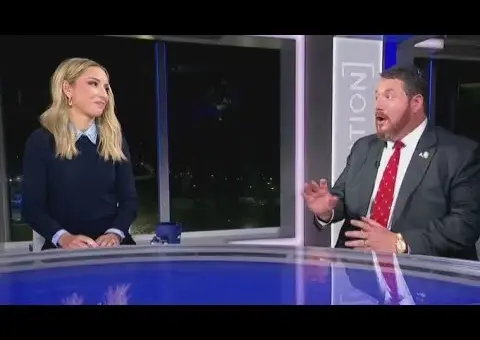
Source: Travelers split on ICE assisting at airports | NewsNation Prime (YouTube)

Related Articles

House Republicans Reject Senate Deal, Sparking Government Funding Clash
House Republicans have rejected a Senate bill to end the government shutdown, citing insufficient border security measures. Congressman Randy Fine called the Senate deal a "disgrace" and highlighted the ongoing fight for full government funding. President Trump's executive order to pay TSA agents offers temporary relief, but the core disagreement over border security continues to paralyze Washington.
House Rejects Senate Bill, Citing Border Security Funding Gaps
House Republicans are rejecting a Senate funding bill, arguing it lacks essential appropriations for ICE and CBP, threatening anti-trafficking efforts and border security. They plan to pass a short-term measure to force renewed negotiations.


Tiger Woods Arrested for DUI After Crash
Golf legend Tiger Woods was arrested for DUI in Florida following a dramatic rollover crash. Meanwhile, a government shutdown continues as House Republicans block a Senate deal, leading to airport chaos and TSA worker pay issues. The stock market also plummeted into correction territory amid fears of a prolonged Iran conflict.