Trump’s Iran Ultimatum, Airport Security Surge Revealed
President Trump has issued a 48-hour ultimatum to Iran regarding the Strait of Hormuz, threatening military action if it is not reopened. Simultaneously, ICE agents are being deployed to U.S. airports to assist TSA with security checkpoints, marking a significant shift in domestic security operations.


President Trump Issues Stern Warning to Iran, ICE Deploys to Airports
President Donald Trump recently issued a strong ultimatum to Iran, demanding that the country reopen the Strait of Hormuz within 48 hours. He threatened to bomb Iranian power plants if they refused. In response, Tehran stated its intention to shut down the entire Strait of Hormuz if President Trump carries out his threat. This situation highlights a significant escalation in tensions between the two nations, with potentially far-reaching global consequences.
The Strait of Hormuz is a vital waterway. It is a critical chokepoint for oil shipments from the Persian Gulf to the rest of the world. Any disruption here could significantly impact global energy markets and international trade. The President’s forceful language suggests a willingness to take direct action, while Iran’s response indicates a readiness to retaliate, potentially leading to a dangerous standoff.
ICE Agents to Bolster Airport Security
In a separate but significant development, President Trump announced plans to deploy Immigration and Customs Enforcement (ICE) agents to airports across the country. These agents will assist Transportation Security Administration (TSA) officers at security checkpoints. The goal is to improve efficiency and manage the flow of travelers. This deployment is set to begin on Monday.
The Trump administration has placed Tom Homan, a former acting director of ICE, in charge of this operation. Homan, often referred to as the “border czar,” brings extensive experience in immigration enforcement to this new role. The deployment of federal agents to domestic airports for security duties marks a notable shift in how the government is managing airport operations.
Why This Matters
The dual announcements from the Trump administration carry significant weight. The potential conflict with Iran over the Strait of Hormuz could have severe economic and geopolitical repercussions. Global oil prices could skyrocket, impacting economies worldwide. Furthermore, any military action could destabilize an already volatile region, leading to broader conflicts and humanitarian crises.
On the domestic front, the deployment of ICE agents to airports raises questions about national security priorities and resource allocation. While the stated aim is to improve security and efficiency, it also reflects a broader approach to border and immigration control. It is important to understand how this will affect the travel experience for ordinary citizens and what the long-term implications are for airport security staffing and responsibilities.
Historical Context and Trends
Tensions between the United States and Iran have been high for decades, particularly since the 1979 Iranian Revolution. The Strait of Hormuz has frequently been a point of contention, with both sides engaging in naval maneuvers and rhetoric that threaten its free passage. Previous administrations have also faced challenges in managing this complex relationship, often involving diplomatic efforts, sanctions, and occasional military posturing.
The use of federal law enforcement agents like ICE to assist with domestic security tasks is not entirely new, but its scale and specific application at airport security checkpoints represent a notable trend. This reflects an administration that has consistently sought to enforce immigration laws and secure national borders. The approach signals a willingness to utilize federal resources in novel ways to achieve policy objectives.
Future Outlook
The immediate future hinges on Iran’s response to President Trump’s ultimatum. If Iran complies, tensions may ease, though underlying issues will remain. If Iran defies the order, the world could face a significant international crisis with unpredictable outcomes. The economic and diplomatic fallout from such an event would be substantial.
Domestically, the ICE deployment to airports is likely to be closely watched. Its success in improving security and passenger flow will be evaluated. The long-term impact on TSA operations and the role of federal law enforcement in civilian infrastructure will become clearer over time. This move could set a precedent for future security operations and inter-agency cooperation.
Source: Trump Issues Ultimatum to Iran; ICE to Deploy to Airports on Monday | NTD Evening News (March 22) (YouTube)

Related Articles

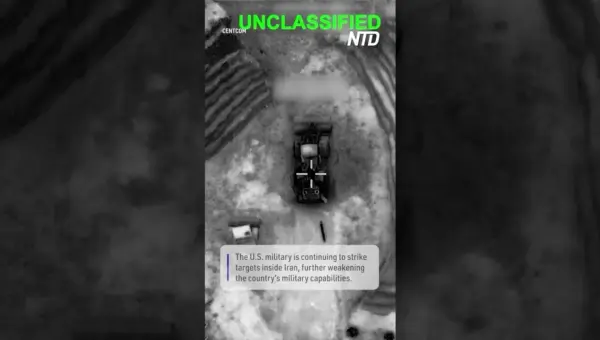
US Strikes Cripple Iran’s Military Might, CENTCOM Reports
U.S. Central Command reports ongoing strikes inside Iran are significantly weakening its military power. This direct action aims to reshape regional security dynamics, but carries risks of escalation. The long-term impact depends on Iran's response and ability to adapt.

U.S. Iran Tensions Rise Amid Shifting Alliances
Rising tensions between the U.S. and Iran are creating a volatile geopolitical situation. With conflicting signals on de-escalation and potential shifts in alliances like NATO and U.S.-Israel relations, the path forward remains uncertain. The global economy and regional stability hang in the balance.


Iran Targets US With Cyberattacks, Escalating Digital Warfare
Iran is increasingly using cyberattacks to challenge the U.S., as seen in a recent hack of the FBI director's account. Experts say this is a strategic shift due to Iran's limitations in conventional warfare. The U.S. needs to strengthen its digital defenses, focusing on encryption and cloud computing, rather than solely relying on traditional security measures.