Iran’s People Seek Freedom Amidst Regional Tensions
Activists argue that military strikes on Iran's power plants would harm civilians already suffering under the current regime. The focus should shift from war to supporting a transition of power, with clear international commitment to regime change being vital for the Iranian people's hopes.


Iran’s People Seek Freedom Amidst Regional Tensions
The ongoing tensions involving Iran and the United States, particularly concerning the Strait of Hormuz, are not just about military might or political posturing. At the heart of the matter are the Iranian people, whose voices and well-being are often overlooked in the international debate. For weeks, many Iranians have faced severe communication blackouts, unable to share their thoughts and experiences with the outside world. This isolation highlights a critical aspect of the current crisis: the civilian population’s plight.
Strikes on Power Plants Could Harm Civilians
A key concern raised by activists is the potential impact of military strikes, especially on civilian infrastructure like power plants. Targeting such facilities would directly affect ordinary Iranians, who have already endured decades of hardship under their current government. These citizens are seen as already struggling under the weight of what is described as 47 years of tyranny. The argument is that hitting power plants would not help bring democracy to Iran; instead, it could worsen the suffering of the very people who desire change.
Regional Instability and Iran’s Strategy
The Strait of Hormuz is a vital waterway for global oil trade, making any disruption there a major concern for the region and the world. Iran’s actions in this area are viewed by some as a tactic to provoke a reaction from the United States, especially with American midterm elections approaching. This behavior is described as potentially suicidal, driven by ideology rather than a clear business or political strategy. The hope is that regional partners and Gulf States can support efforts for regime change, shifting the focus from war to a peaceful transition of power.
The People’s Fear: Regime Over Bombs
Despite the difficult conditions, including economic collapse and communication restrictions affecting 92 million people, the Iranian population’s greatest fear is not external strikes. Instead, their primary fear is that the current regime will remain in power. This sentiment is shared even by family members connecting through various technologies. Activists stress that for any transition to succeed, the international community, particularly the United States, must commit to supporting regime change and a clear path toward transitional leadership. Vague intentions are seen as unhelpful to a population already dealing with immense fragility.
Call for Clear Commitment to Regime Change
Human rights organizations are urged to pay more attention to the struggles of the Iranian people, who are described as wanting to be part of the fight for their freedom. The call is for the world to stand with them and provide support for their eventual transition. The current situation is characterized by a lack of clear commitment from the U.S. government towards regime change, which is seen as a crucial missing piece. Iranians are described as understanding the nature of their regime better than many outsiders, having lived under its rule for decades.
Supporting a Broader Coalition for Change
There is strong support for figures working towards a transition, such as a Crown Prince who has been instrumental in building a coalition. The advice given is to expand this coalition to include a wide range of political viewpoints and parties. The goal is to unite any Iranian who desires regime change under a common banner, with the important caveat of excluding groups like the MEK. The focus remains on preserving civilian life and security while changing the narrative from conflict to a decisive push for regime change and transition. This psychological and emotional support is seen as vital for the Iranian people, ensuring their sacrifices are not in vain.
Global Impact
This situation highlights the complex interplay between international security, regional stability, and the internal dynamics of a nation. The focus on potential military action risks overlooking the humanitarian consequences for ordinary citizens. For Iran, the internal struggle for freedom is deeply intertwined with its foreign policy and international relations. The international community faces the challenge of supporting democratic aspirations without exacerbating the suffering of the very people they aim to help. The desire for regime change, coupled with the fear of continued oppression, creates a volatile environment where clear, committed international support for transition is seen as the most effective path forward, rather than actions that could further destabilize the region and harm civilians.
Source: Hitting Iran’s power plants would hurt populace: Advocate | NewsNation Live (YouTube)

Related Articles

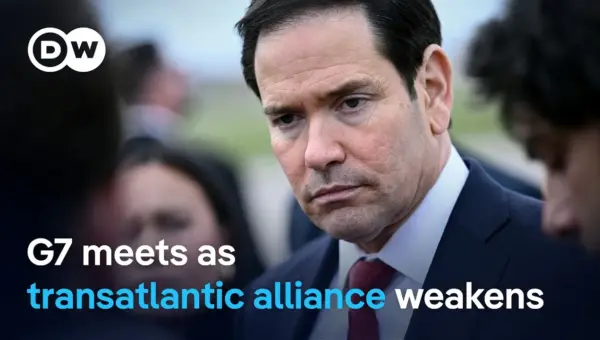
G7 Allies Clash Over Iran War Strategy, Urge Focus on Russia
G7 foreign ministers met in Paris, revealing deep divisions over the U.S. war with Iran. European allies urged the U.S. to pressure Russia, linking its actions to the conflict and fearing support for Ukraine will wane.
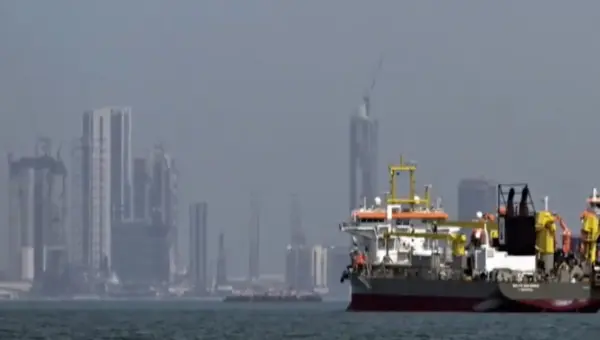
Iran Blocks China Ships, Exposing Beijing’s Weak Grip
Iran's recent decision to block Chinese ships at the Strait of Hormuz is exposing the limits of Beijing's influence in the Middle East. This action is causing delays and cancellations for Chinese manufacturers, turning a perceived geopolitical win into an economic strain.
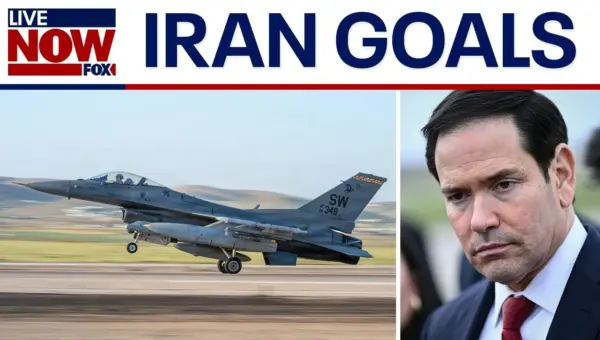
Rubio: US Can Achieve Iran War Goals Without Troops
Senator Marco Rubio outlined a strategy to counter Iran without deploying U.S. ground troops, focusing on weakening the regime and enhancing maritime security. He also criticized Cuba's economic system and expressed concerns about West Bank violence.