Ex-DHS Official: US Homeland Unsafe Amid Iran Conflict
A former DHS official warns the U.S. homeland is currently unsafe due to the Iran conflict, citing a lack of preparedness and strategic planning. Despite widespread public opposition to the war, crucial defensive measures have allegedly been overlooked, leaving the nation vulnerable to potential retaliation.


Homeland Security Risks Escalate Amidst Iran War, Former Official Warns
A former high-ranking Department of Homeland Security (DHS) official has issued a stark warning: the United States is not safe on the homeland right now due to the ongoing conflict with Iran. Miles Taylor, former Chief of Staff to Secretaries of Homeland Security and now a spokesperson for PresidentialRevenge.org, expressed deep concerns about the administration’s preparedness and strategic foresight in a recent interview. He believes the current situation presents a significant, and potentially unaddressed, threat to Americans at home.
Concerns Over Strategic Planning and Public Opinion
Taylor, who also co-authored the book “ISIS: Inside the Army of Terror,” questioned the strategic depth of the current administration’s approach to the Iran conflict. While acknowledging that escalating to de-escalate is a known geo-strategic concept, he suggested that former President Donald Trump’s decision-making often lacked long-term planning. “My experience with the man is that his planning is not very well thought out,” Taylor stated. “I rarely saw him thinking one step beyond the immediacy of his decision-making.”
This perceived lack of foresight is compounded by a significant disconnect with public sentiment. A recent CBS poll revealed that 92% of Americans want the war to end as soon as possible. Taylor suggested that historians might view this as the most unpopular war a president has ever started, especially given the strong public opposition from the outset. Wars, he noted, rarely gain popularity over time, and the added homeland security and economic implications further darken the outlook for the administration.
Iran’s Negotiating Stance and Regional Demands
Regarding potential diplomatic efforts, reporting suggests that Iran is playing hardball in negotiations, believing they are winning the war simply by enduring. There has been little evidence of internal cracks within the Iranian regime. An Emirati official recently stated a desire for an indefinite state where Iran cannot pose a threat to the region, rather than a temporary cease-fire.
One of Iran’s apparent demands is the vacation of all U.S. bases in the Gulf. This military presence has served as a safeguard for regional countries for decades. In contrast to what Taylor sees as a lack of strategic foresight from former President Trump, Iran’s retaliatory actions, possibly involving diplomats and military assets, are sending a clear message to Europe that their cities are now in range. This suggests a form of “mission creep” by Iran, potentially unintentionally provoking countries with whom they previously had more stable relationships.
Escalating Threats and Homeland Vulnerabilities
The conflict shows no signs of winding down soon. The Israeli chief of staff indicated they are only halfway through their aerial campaign against Iran, suggesting at least four more weeks of operations. Gulf states have implicitly urged President Trump to “finish the job.” Furthermore, 22 nations and the head of NATO have acknowledged the threat Iran poses to Europe.
Iran has targeted civilian infrastructure in places like Dubai, rather than solely military targets. Taylor warned that if strikes result in mass casualties, it would be difficult to prevent Gulf states from retaliating. Such an escalation could provide President Trump with a perceived coalition “after the fact.” The UK has already offered the use of its air bases for campaigns into Iran, and further commitments from European nations could resemble the dynamics of the first Gulf War.
DHS Preparedness and Homeland Security Posture
Taylor’s most significant concern revolves around the lack of preparedness on the U.S. homeland front. “I don’t think we are safe in the homeland right now,” he stated emphatically. “And whether or not you think this was a necessary war abroad, it is almost certainly a nightmare here at home.”
He outlined what his actions would have been if he were still at DHS. This included providing the White House with assessments of potential homeland blowback before the war began. If that didn’t deter the decision to go to war, his department would have conducted war games and issued nationwide bulletins about the threat. National security posture would have been dramatically heightened, and personnel would have been shifted from deportation operations to counter-terrorism efforts.
However, Taylor reported that none of these defensive measures have been taken. Worse, reports suggest the White House has actively tried to prevent such actions. This administration, he fears, is not taking necessary defensive actions because they do not want to project that the homeland is under threat. This inaction, he believes, could become a self-fulfilling prophecy.
The Risk of Cyber Attacks and Strategic Miscalculation
The partial shutdown of DHS, which has led to the furlough of TSA agents, adds another layer of vulnerability. While Iran might be cautious about striking the homeland directly to avoid unifying American public opinion, Taylor warned that this is a short-term consideration. “The Iranians will desire in the long run to get revenge against the United States homeland,” he asserted. He recalled Iran’s actions after the killing of Soleimani and their targeting of former President Trump and his lieutenants.
The DHS shutdown, Taylor explained, makes the U.S. homeland vulnerable to strategic efforts by Iran, potentially including targeted cyber attacks. He expressed a sliver of solace, however, believing that Iran might be wary of the sophisticated terrorist attacks they are capable of executing on U.S. soil. “We will all be watching,” he concluded, emphasizing the ongoing uncertainty and potential for future threats.
Source: Former DHS official: ‘I don’t think we’re safe in the homeland right now’ during Iran war (YouTube)

Related Articles
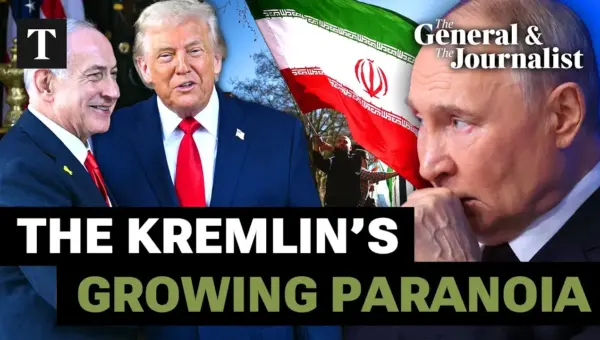
Kremlin Shakes: Elite Discontent Fuels Putin’s Paranoia
Internal turmoil and paranoia are reportedly gripping the Kremlin as President Putin faces growing elite discontent and the realities of the Ukraine war. Meanwhile, Russia's strategic involvement in the Iran conflict highlights complex calculations and potential risks, even as a wider global war remains unlikely.

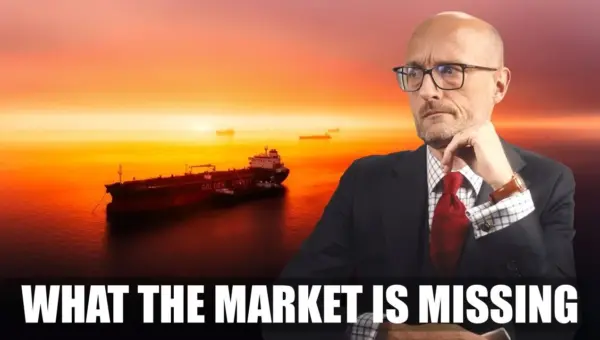
Stocks Ignore War Risks, Focus on “Taco Moments”
Stock markets appear to be overlooking the severe supply chain risks stemming from the Iran conflict, focusing instead on potential diplomatic de-escalations. While the S&P 500 shows resilience, bond and commodity markets signal deep concern over disruptions to critical resources like LNG, helium, and fertilizers.

House Funds DHS Short-Term, Senate Stalemate Looms
The House has passed a short-term bill to fund the Department of Homeland Security, but the Senate is expected to reject it. This temporary measure highlights ongoing political divisions and the challenges in reaching long-term budget agreements in the U.S. Congress.