Russia Censors Internet, Millions Offline in Major Cities
Millions of Russians face severe internet disruptions as major cities like St. Petersburg and Moscow are affected by new restrictions. The Kremlin's plan to allow access only to "whitelist" websites has sparked widespread anger and concerns about economic impacts and personal freedoms.


Russia Restricts Internet Access, St. Petersburg and Moscow Affected
Millions of Russians are experiencing severe internet disruptions, with major cities like St. Petersburg and Moscow now facing widespread outages. The Kremlin has announced plans to restore access, but only to a curated list of “whitelist” websites. This move effectively limits online content to state-approved services, government pages, and propaganda outlets, drawing comparisons to North Korea’s tightly controlled internet.
“Whitelist” Internet Sparks Public Outrage
The new restrictions have triggered significant public discontent. Many Russians, accustomed to greater online freedom in 2022, now find themselves unable to access basic services, including email, forcing some to travel outside the country to get online. The cost of these new, expensive internet restrictions is reportedly being paid for by Russian taxpayers, fueling anger and frustration.
The reasons behind this decision are varied, according to public opinion. Some believe it stems from President Putin’s fear of public protests and awareness of economic and military setbacks. Others suggest it’s a reaction to security concerns, specifically the fear of facing a similar fate to leaders tracked and targeted through online information, as seen with the Iranian regime.
St. Petersburg Joins Growing List of Affected Cities
St. Petersburg, often considered Russia’s second capital, has joined a growing number of Russian cities and regions experiencing prolonged mobile internet problems. These are not temporary issues but extended periods where essential communication services are unavailable. More alarmingly, reports indicate that voice calls are also affected, preventing people from contacting emergency services like ambulances.
This situation has created widespread anger, panic, and dissatisfaction among the population. While Russians are familiar with censorship, having inherited it from Soviet times, it has historically focused on print media or specific websites. The current measures, however, target the fundamental channels of communication itself.
Telegram Ban Precedent and White List Concerns
The decision to restrict internet access follows earlier actions, such as the ban on the Telegram messaging app. This ban angered many Russian vloggers and led some to distance themselves from the Kremlin. Now, the introduction of “whitelist” websites represents a significant escalation. This limited list includes state services, government portals, and propaganda media like Komsomolskaya Pravda and Rossiyskaya Gazeta.
These restrictions directly impact businesses, particularly online retail, which is crucial for a country as vast as Russia. Social media influencers, fashion vloggers, and online entrepreneurs who relied on platforms like Instagram and VPNs for their livelihoods have lost vital connections to their audiences and markets. One entrepreneur recounted traveling to Georgia simply to check her emails after being unable to do so anywhere within Russia.
Putin’s Disconnect from Digital Reality
Critics argue that the Kremlin leadership, including President Putin, fails to grasp the importance of the internet in modern life. The perception is that leaders who do not use the internet cannot understand its value, leading to decisions that seem out of touch with the digital age. This disconnect is seen as a potential threat not only to Russia’s internal stability but also to its international standing.
The current situation is fueling a desire among some Russians to break away from Putin’s leadership. There is a growing belief that the current regime could lead to severe consequences for ordinary citizens. This sentiment is echoed by activists from various regions within Russia who advocate for greater national self-determination and democratic governance.
Reasons for the Internet Shutdowns
Russians are trying to understand the primary reasons behind the internet shutdowns. They seek clarity on whether these restrictions are permanent, tied to the duration of Putin’s regime, or if there is any recourse. Many believe the shutdowns are intended to shield the population from negative news regarding the economy and the war’s progress. There is also speculation that these measures are a prelude to unpopular actions, such as general conscription.
A significant factor cited is President Putin’s alleged fear and panic. His reported avoidance of Moscow and the Kremlin is linked to intelligence suggesting that leaders can be identified and targeted using online surveillance, including web cameras. This mirrors concerns about security and the potential for technology to be used against those in power, a stark contrast to the Kremlin’s previous use of cameras for domestic surveillance.
Economic and Personal Costs for Russians
The anger among Russians is twofold. Firstly, the loss of millions in revenue for businesses struggling with online restrictions is a major concern. Secondly, the realization that these expensive technological restrictions are funded by their own tax money adds insult to injury. This paradox of paying for limitations that harm their livelihoods is seen as emblematic of the current situation in Russia.
The broader geopolitical implications are also significant. The disruptions are viewed as a threat to global freedom and the free world, especially for those who value open communication and mutual respect. The actions are seen as a sign of Putin losing control and resorting to desperate measures to protect his regime. However, like the invasion of Ukraine, these measures are predicted to have unintended negative consequences.
Public Reaction and Future Outlook
While many Russians initially supported the military operation, the tangible impact of internet restrictions is now galvanizing public discontent. The inability to access the internet, a fundamental tool for daily life and business, is seen as a direct infringement on personal freedoms. This is leading to increased anger directed at the Kremlin leadership, particularly President Putin.
The hope is that future developments, potentially by 2026, will lead to the defeat and demilitarization of the Russian Federation, viewed by some as the only viable peace plan. The article encourages sharing information, staying connected, and supporting Ukraine to counter what is described as a threat to freedom worldwide.
Source: MILLIONS OFFLINE IN RUSSIA: SAINT PETERSBURG MOSCOW PANIC Vlog 1356: War in Ukraine (YouTube)

Related Articles
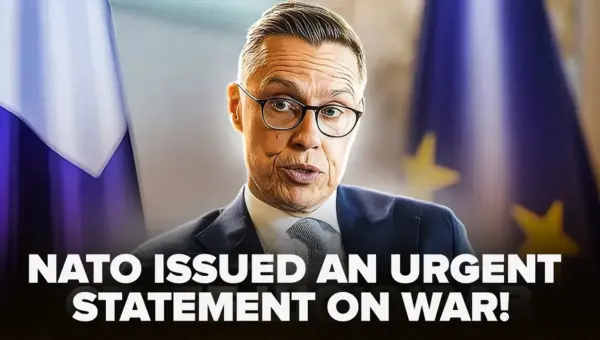
Ukraine Strikes Russian Oil Refinery, Eyes Iran Threat
Ukrainian forces struck a key Russian oil refinery, disrupting Moscow's war capabilities. Meanwhile, Finland's president urged continued U.S. support for Ukraine, as Kyiv shares its air defense expertise globally amid growing geopolitical complexities involving Iran and potential sanctions against Hungary.

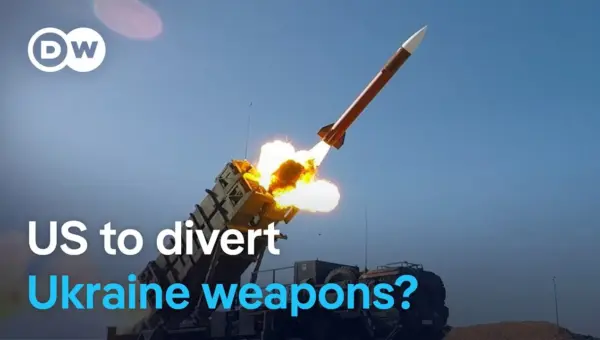
US Weighs Shifting Ukraine Weapons to Iran Amid Missile Shortage
The U.S. is reportedly considering diverting weapons destined for Ukraine to support operations against Iran, driven by rapidly depleted missile stocks. This potential shift raises concerns about Ukraine's defense capabilities and highlights the complex interplay between global conflicts.

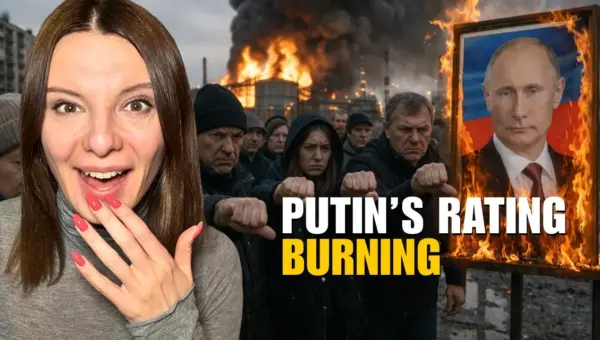
Ukraine Strikes Cripple Russian Oil Exports
Ukrainian drone strikes are crippling Russia's oil exports and damaging its economy, leading to falling domestic support for President Putin. The targeted attacks on refineries and terminals aim to cut off war funding and have significant geopolitical consequences.