Oil Prices Set to Soar Amid Iran Tensions, Flights May Be Cut
Oil prices are expected to surge as tensions between the U.S. and Iran escalate over the Strait of Hormuz. An expert warns of severe consequences if the conflict widens, impacting global supply chains and potentially driving up fuel costs significantly. Airlines may also cut flights or raise fares due to soaring jet fuel prices.


Oil Prices Poised for Surge as Iran Tensions Escalate
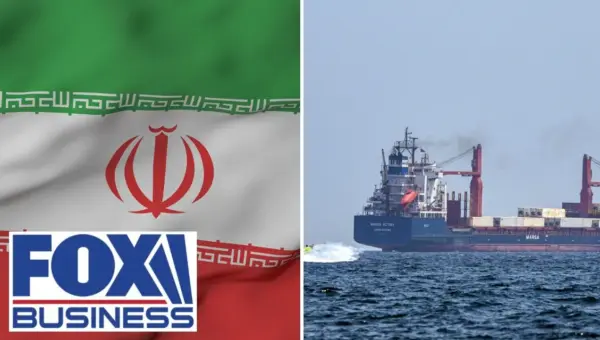
Global oil prices are expected to climb significantly as tensions between the United States and Iran reach a critical point. President Trump issued a stern warning over the weekend, threatening military action against Iran if the Strait of Hormuz is not reopened within 48 hours. This aggressive stance follows weeks of escalating conflict and raises concerns about potential disruptions to vital energy supplies.
Iran Conflict Threatens Energy Choke Point
The Strait of Hormuz is a crucial waterway, through which a significant portion of the world’s oil passes. President Trump’s ultimatum, set to expire Monday evening, demands Iran fully reopen the strait or face strikes on its energy infrastructure. This dramatic escalation comes just days after discussions about de-escalating the conflict, highlighting the volatile nature of the situation.
The U.S. State Department has also issued a global warning, urging Americans, especially in the Middle East, to exercise increased caution due to potential threats. The department noted that U.S. diplomatic facilities have been targeted and that groups supportive of Iran might attack other U.S. interests abroad.
Expert Warns of “Tremendous Can of Worms”
Tom Claus, Chief Energy Advisor at Gulf Oil, shared his insights on the unfolding crisis. He anticipates a higher opening for oil and natural gas prices and believes the situation is heading towards a climax in the coming weeks. Claus warned that targeting soft infrastructure like power plants or desalination facilities could unleash severe consequences.
“The presence of soft targets, whether it be power plants for the US and Israel, or whether it be desalination plants for Iran really could open up a tremendous can of worms there. So it doesn’t seem as though we’re approaching any offramps for this anytime soon.”
Claus also noted that Iran has threatened to strike neighboring Gulf states in response to potential U.S. strikes on its energy facilities. This tit-for-tat threat further heightens the risk of a wider regional conflict.
Futures Markets vs. Real-World Prices
While futures markets for crude oil show prices trading around $100-$110 per barrel, the actual physical market tells a different story. Claus revealed that an Asian refiner recently paid $173 per barrel for crude oil sourced outside the Strait of Hormuz. He explained that buyers seeking oil in early April or from other regions are paying $10-$20 above futures prices, indicating the situation is more dire than commodity exchange numbers suggest.
“It’s much worse than it appears if you just look at the commodity exchange numbers,” Claus stated.
Industries and Consumers Face Rising Costs
The impact of surging oil prices will be felt globally, with continents other than North America likely to suffer the most. Asia and Australia are particularly vulnerable. Claus mentioned sending five cargos of diesel and gasoline to Australia last week, an unusual occurrence.
Within the United States, industries reliant on diesel and marine fuel for freight will be hit hardest. Claus predicts freight inflation could reach 10-15% in April. While motorists will notice higher gasoline prices, reaching potentially over $4 per gallon within days, he believes this is not yet at the threshold of absolute pain seen in previous years.
Diesel and Jet Fuel Outpace Gasoline
The market dynamics for different fuel types are diverging. Refiners are experiencing significant profits from diesel and jet fuel, earning $50-$100 per barrel above normal. In contrast, gasoline remains a less desired commodity globally, with high inventories at the end of February.
However, the situation in Asia, Europe, and Australia suggests that consumers in the U.S. may soon face similar elevated prices. Claus warned, “We may have to pay some of those ridiculous prices that you see in other parts of the world.”
Mitigation Efforts and U.S. Energy Production
The U.S. has limited options to mitigate the impact, primarily revolving around reopening the Strait of Hormuz. Short-term measures like a federal gas tax holiday, which could save consumers about 18 cents per gallon, and state-level holidays are possible. Allowing for cheaper gasoline blends during spring and summer is another option, though it may have environmental implications.
Despite global volatility, the U.S. crude oil industry is performing strongly, with exports expected to break records in the coming weeks. This robust production provides some buffer against international supply shocks.
Summer Travel and Demand Destruction
As demand typically rises during the summer months, particularly with increased travel, the current situation poses challenges. While demand was lower over the winter due to cold weather, it is expected to increase by about a million barrels per day. Claus suggested that if gasoline prices consistently reach $4.50 per gallon or higher, demand destruction could occur.
Travelers face a double blow: higher jet fuel prices leading to increased airfares and potential airport disruptions. April is not usually a peak month for gasoline or diesel consumption, but the current geopolitical climate overshadows typical seasonal trends.
Long-Term Impacts and Energy Dominance
The ongoing conflict could have lasting effects on the global energy landscape. Claus believes that if prices remain consistently above $150 per barrel, it could lead to demand rationing similar to the Arab oil embargo or the great recession. He stressed that the current market is unprecedented, with 10-18 million barrels per day potentially offline due to the impasse in the Persian Gulf.
The long supply chains in the global oil industry mean that impacts from the current situation may not be felt for 45-90 days. Claus acknowledged that many involved, from economists to policymakers, are navigating this crisis in real-time.
Potential for Technological Innovation
The energy crisis may also spur innovation. Claus suggested that the high cost of gasoline could encourage consumers to reconsider electric vehicles (EVs), which have seen a slowdown in recent years. He also noted that the marine fuel price surge could prompt a re-evaluation of solar and renewable energy sources, though no immediate breakthroughs are apparent.
“This might actually inspire some people to look at EVs again,” Claus commented. “There’s a lot of uncertainty in this and markets tend to move higher on uncertainty.”
Jet Fuel Prices Soar, Airlines Face Pressure
Jet fuel prices are a significant concern, already tight entering March. Prices are reportedly around $200 per barrel on the U.S. West Coast and even higher in Asia. This directly impacts airlines, which may be forced to cut flights or increase fares substantially.
Claus anticipates that flying will become more difficult and expensive. He also pointed out that the rising cost of marine fuel, up 50-60%, affects shipping costs for all goods, contributing to broader inflation.
Retailers Not Profiting from Price Hikes
Claus emphasized that local gasoline retailers are not benefiting from the rising prices. He explained that they often see lower sales volumes during price spikes and face increased fees from credit card companies, constricting their profit margins.
Looking Ahead
The coming days and weeks will be critical in monitoring the U.S.-Iran standoff and its impact on global energy markets. Investors, consumers, and policymakers will be watching closely to see if diplomatic solutions emerge or if the conflict escalates further, potentially leading to sustained high oil prices and significant economic repercussions worldwide.
Source: Oil prices expected to surge once again, United Airlines to cut more flights (YouTube)

Related Articles


Asia Faces Oil Shortages as Middle East War Disrupts Global Energy
A war in the Middle East has triggered widespread oil and gas shortages across Asia, leading to protests, rationing, and long fuel lines. The crisis, described as the largest supply disruption in history, is forcing governments to take drastic measures and is creating economic strain throughout the continent. Analysts are closely watching the Strait of Hormuz and diplomatic efforts to ease the energy emergency.


Iran Strikes US Base: Are We Learning from Mistakes?
A recent Iranian drone and missile attack wounded American service members and damaged aircraft in Saudi Arabia. This incident highlights concerns about military preparedness and the failure to learn from past mistakes, as exposed aircraft remain vulnerable targets. The ongoing conflict involves complex regional dynamics, including Iran's missile capabilities and the potential involvement of groups like the Houthis, raising questions about future stability.
Iran Conflict Sparks Market Volatility, Experts Weigh In
Geopolitical tensions in the Middle East have rattled global markets, with stocks falling and safe-haven assets like the U.S. dollar strengthening. Experts suggest the market may have overreacted, creating potential buying opportunities, but warn of a "bumpy journey" ahead due to infrastructure damage and potential oil shortages. Concerns also linger about the Federal Reserve's independence amidst political commentary.