Hawaii Flooding: Drains Back Up, Showcasing Urban Water Woes
Dramatic video from Kaimuki, Hawaii, shows water surging from a manhole during heavy flooding. This event highlights the strain on urban drainage systems caused by increasingly intense rainfall. It serves as a stark reminder of the urgent need for infrastructure upgrades to combat the growing threat of extreme weather.


Hawaii Flooding: Drains Back Up, Showcasing Urban Water Woes
Heavy rains recently caused severe flooding in Kaimuki, a neighborhood on Oahu, Hawaii. The water didn’t just stay on the streets. It surged upwards through a manhole, a dramatic display of how overwhelmed the city’s drainage system had become. This striking image, captured on video, highlights a serious problem many urban areas face when extreme weather hits.
The video shows water powerfully shooting up from a drain pipe. This isn’t just a strange sight; it’s a sign that the pipes beneath the streets can’t handle the volume of water falling from the sky. When rain falls faster than the drains can carry it away, the water has nowhere to go. So, it pushes back up through any opening it can find, like manholes.
When Nature Overwhelms Infrastructure
This kind of event is becoming more common in cities around the world. Climate change is bringing more intense storms. These storms dump large amounts of rain in short periods. Our older drainage systems, built for different weather patterns, often can’t keep up. It’s like trying to pour a gallon of water into a pint glass; it’s going to spill over.
The Kaimuki flooding shows what happens when the water has no other escape route. The pressure from the backed-up water forces it out of the manhole. This can send water high into the air, creating a geyser effect. It’s a visual reminder of the forces at play beneath our feet during severe weather.
Historical Context: The Evolution of Urban Drainage
Cities have always had to manage water. Early cities often relied on simple ditches or natural waterways. As cities grew and became more crowded, underground pipes became necessary. These systems were designed to carry away rainwater and sewage. However, they were typically built for the weather patterns of their time.
For many decades, engineers planned drainage systems based on historical rainfall data. They assumed a certain amount of rain would fall over a certain period. This worked for a long time. But with changing weather patterns, those old assumptions are no longer reliable. The systems that were once adequate are now struggling to cope with the increased intensity and frequency of storms.
Why This Matters
The image of water erupting from a manhole is more than just a viral video moment. It points to a critical need for cities to update their infrastructure. Aging drainage systems are vulnerable to failure during heavy rains. This can lead to widespread flooding, damaging homes and businesses. It also disrupts transportation and daily life.
Furthermore, when floodwaters mix with sewage, they can spread disease. This poses a public health risk. The cost of cleaning up after floods is enormous. Investing in better drainage systems now could save cities a lot of money and trouble in the future. It’s about protecting communities from the growing threat of extreme weather.
Implications and Future Outlook
The flooding in Kaimuki is a wake-up call. It suggests that many urban areas may be unprepared for future weather events. Cities need to start thinking about how to adapt. This could involve building larger pipes, creating more green spaces that absorb water, or even implementing advanced flood warning systems.
We are likely to see more such incidents if significant upgrades are not made. The trend is clear: storms are becoming more powerful. Our cities need to become more resilient. This means rethinking how we manage water in urban environments. It’s a complex challenge, but one that is becoming increasingly urgent.
The future will likely require a combination of solutions. These might include nature-based approaches, like restoring wetlands or creating permeable pavements, alongside traditional engineering solutions like bigger pipes. The goal is to create cities that can better withstand the impacts of a changing climate and protect their residents from the dangers of flooding.
Source: Water Surges Up Drain Pipe Amid Hawaii Flooding (YouTube)

Related Articles


Inslee Slams Trump on Economy Amidst Rising Gas Prices
Former Washington Governor Jay Inslee strongly criticized former President Donald Trump's economic policies and his response to rising gas prices. Inslee slammed Trump as 'out of touch with reality' amidst market turmoil and the closure of the Strait of Hormuz. He also warned of potential legislative efforts to shield the oil and gas industry from climate change accountability.
Gas Tax Cuts Offer Little Relief, Economist Warns
Economists suggest that cutting the federal gas tax, currently 18 cents per gallon for gasoline, would offer minimal relief to consumers due to thin profit margins in the competitive fuel market. The move could theoretically lower prices for buyers and increase earnings for sellers, but the overall impact is expected to be small. Funding for highway infrastructure remains a larger, unresolved issue.
Hawaii Floods Cause $1 Billion in Damage, Seek Federal Aid
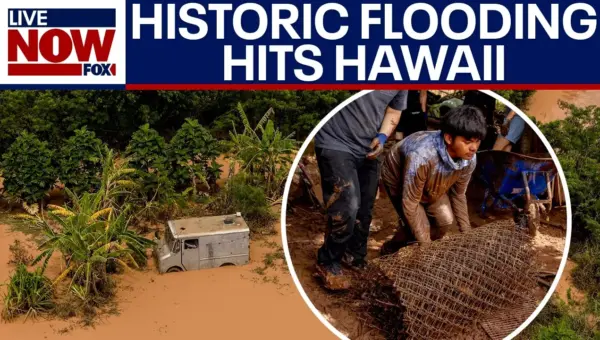
Hawaii is facing an estimated $1 billion in damages following severe flash flooding that has devastated several islands. Historic Lahaina and Oahu's North Shore are among the hardest-hit areas, with residents describing mud-filled homes and washed-out roads. The governor has officially requested federal disaster aid.