Iran Faces US Ultimatum: Power Plants Threatened Over Hormuz Strait
President Trump has issued a 48-hour ultimatum to Iran, threatening to strike power plants if the Strait of Hormuz is not reopened. Iran has vowed to close the vital waterway in response, raising global energy prices and increasing regional instability. The U.S. is considering significant military options, including ground troop deployments, while diplomatic avenues remain uncertain.


Trump Issues 48-Hour Deadline to Iran Over Strait of Hormuz
President Trump issued a stark 48-hour ultimatum to Iran this past weekend, demanding the full reopening of the Strait of Hormuz. If Iran fails to comply, the United States will target and destroy Iranian power plants, beginning with the largest one. This announcement escalates tensions significantly, as Iran has vowed to completely close the vital energy chokepoint if its own energy infrastructure is threatened.
Iran’s Capability to Close the Strait
The Strait of Hormuz is a critical global energy artery, and Iran has the capability to disrupt or close it. While commercial traffic is currently limited, Iran’s ability to block passage is considered a real threat. The U.S. could likely reopen the strait, but it would require substantial time and resources. This threat is already impacting global markets, with crude oil prices surging past $110 a barrel.
US Options and Potential Escalation
The White House has confirmed that striking Iranian power plants is one of several options presented to President Trump. These options range from further escalation to deescalation. While Trump has previously signaled a desire for deescalation, his direct threat against critical infrastructure marks a departure from his past approach. Previously, his administration aimed to avoid targets that would cripple Iran’s long-term recovery. This shift suggests a willingness to inflict more severe damage.
Regional Instability and Allied Concerns
Iran has targeted several Gulf Arab states, including the UAE, with missile barrages. These attacks are depleting the defensive resources of allied nations. While specific capacities vary by country, the U.S. has finite resources to defend all its Gulf allies simultaneously. This situation is a major concern for the White House, with Arab partners expressing worries about their diminishing defensive stocks and the pace of potential Iranian attacks.
International Response and Military Buildup
President Trump has called on allies to assist in reopening the Strait of Hormuz. While some NATO countries have expressed interest, their involvement is often conditional on a ceasefire, given the risks of casualties and further conflict. The U.S. is also increasing its military presence in the region. Reports suggest serious consideration is being given to seizing parts of the Iranian coastline crucial for securing the Strait, or even securing key islands like Qeshm, which is vital for Iranian oil exports. The possibility of seizing Iran’s enriched uranium stockpiles is also being discussed, all of which would necessitate significant ground forces.
Negotiations and Iran’s Nuclear Program
Direct negotiations between the U.S. and Iran appear unlikely at this time. While Iran has made indirect attempts at communication, these have reportedly been rebuffed. The current Iranian regime is not seen as more compromising than its predecessors. However, this could change if President Trump prioritizes short-term deescalation and seeks a diplomatic deliverable. A significant concern remains Iran’s nuclear program, which has received less media attention than missile strikes or proxy activities. There are ongoing concerns about aggressive operations targeting Iran’s highly enriched uranium stockpiles and its broader nuclear program, potentially involving ground troops.
Iran’s Military Capabilities and Messaging
Despite drawing down some stockpiles, Iran has demonstrated concerning capabilities. The launch of intermediate-range ballistic missiles toward Diego Garcia, a joint UK-US base in the South Indian Ocean, surprised many. This act showcased Iran’s reach and technological ability, serving as a message that it remains a potent force despite degraded capabilities. This projection of power, more than the immediate material threat, highlights Iran’s strategic messaging.
US-Israel Relations Amidst Tensions
While the U.S. and Israel share a common view of Iran as a major threat, their approaches differ. Israeli Prime Minister Netanyahu may possess a higher tolerance for regional chaos than President Trump. Trump’s administration is likely to seek an off-ramp sooner, partly due to domestic political considerations. Rising global oil prices, driven by the Strait of Hormuz tensions, could pressure the U.S. administration, especially in a competitive midterm election year where affordability is a key concern for voters.
Potential Off-Ramps and Future Outlook
An off-ramp for the current conflict is attainable but not immediate. Iran holds a strategic advantage in the Strait of Hormuz, where limited actions can create significant disruption. The situation remains fluid, with the possibility of ground operations being a major factor that could escalate the conflict further, drawing in more countries and creating immense political consequences. The focus remains on whether Iran will deescalate and if the U.S. will pursue diplomatic channels, alongside the ever-present concern over Iran’s nuclear ambitions.
Source: Middle East latest: How Iran might react after Trump’s 48-hour Hormuz deadline (YouTube)

Related Articles

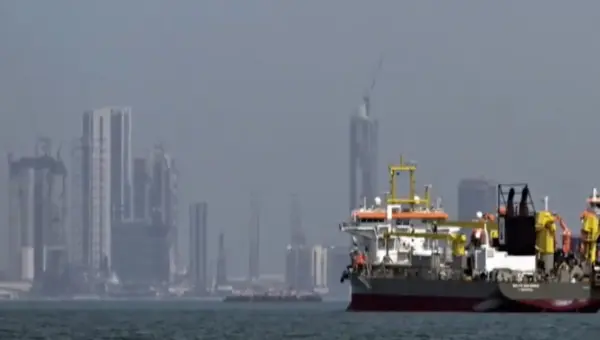
Iran Blocks China Ships, Exposing Beijing’s Weak Grip
Iran's recent decision to block Chinese ships at the Strait of Hormuz is exposing the limits of Beijing's influence in the Middle East. This action is causing delays and cancellations for Chinese manufacturers, turning a perceived geopolitical win into an economic strain.
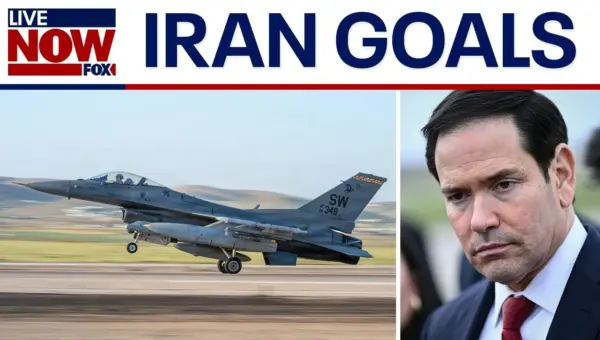
Rubio: US Can Achieve Iran War Goals Without Troops
Senator Marco Rubio outlined a strategy to counter Iran without deploying U.S. ground troops, focusing on weakening the regime and enhancing maritime security. He also criticized Cuba's economic system and expressed concerns about West Bank violence.


Israel Escalates Iran Strikes, Warns of Wider War
Israel has launched significant strikes inside Iran following continued missile fire, warning of further escalation. The conflict risks wider regional instability and economic disruption, especially concerning the Strait of Hormuz.