B-52 Bombers Strike Iran, Threaten Strait of Hormuz
B-52 bombers have reportedly struck Iranian missile and drone facilities, escalating tensions over the Strait of Hormuz. The U.S. ultimatum demands the waterway's reopening within 48 hours, threatening Iranian energy infrastructure if ignored. Iran has warned of retaliatory strikes against Gulf partners.


B-52s Strike Iranian Facilities, Escalating Strait of Hormuz Tensions
Long-range B-52 bombers have reportedly conducted strikes against Iranian missile and drone production facilities, escalating tensions over the vital Strait of Hormuz. The deployments signal a significant show of force aimed at compelling Iran to reopen the crucial waterway.
Strategic Hammer Deployed
The B-52 Stratofortress, an iconic aircraft that has served the U.S. Air Force for over 70 years, is being employed as a key strategic asset. Its ability to carry a large payload of munitions over vast distances makes it ideal for deep strikes against hardened targets. These operations are designed to degrade Iran’s ability to produce weapons, specifically missiles and drones, which are seen as critical tools for regional influence and potential disruption of maritime trade.
The Strait of Hormuz Under Pressure
The Strait of Hormuz is a narrow waterway connecting the Persian Gulf to the open ocean. It is one of the world’s most important oil transit points, with a significant portion of global oil supply passing through it daily. Any disruption here can have immediate and severe impacts on global energy markets.
The B-52 deployments are reportedly linked to an ultimatum from the Trump administration. This ultimatum demands that Iran’s Islamic Revolutionary Guard Corps (IRGC) reopen the Strait of Hormuz within 48 hours. Failure to comply, the administration warns, could lead to the destruction of Iran’s energy infrastructure.
Iranian Retaliation Warning
In response to these threats, Iran has issued its own warning. Iranian officials stated that if their energy infrastructure is targeted, they will retaliate by striking the energy infrastructure of Gulf partners. This exchange highlights the precarious balance and the potential for a wider regional conflict.
Decades of Service, Enduring Relevance
The B-52’s continued role in modern warfare underscores its adaptability and enduring design. Despite its age, the bomber remains a potent symbol of American air power. Its missions against Iranian production sites demonstrate its capability to project power far from U.S. bases. The aircraft’s long range and heavy payload allow it to strike targets with precision, degrading an adversary’s military capabilities without necessarily requiring a large forward presence.
Strategic Implications
The use of B-52 bombers in this context signals a deliberate escalation by the United States. It moves beyond diplomatic pressure to direct military action against Iran’s war-making potential. The strikes aim to cripple Iran’s capacity to produce weapons that could threaten shipping lanes and regional stability. By targeting missile and drone factories, the U.S. seeks to reduce Iran’s ability to project power and disrupt maritime commerce, particularly through the Strait of Hormuz.
This strategy directly challenges Iran’s regional military posture. It seeks to dismantle the infrastructure that supports its asymmetric warfare tactics. The threat against Iran’s energy sector, if the Strait is not opened, represents a significant escalation. It aims to apply maximum economic pressure by threatening the very source of the Iranian regime’s revenue.
Geopolitical Ramifications
The situation carries significant geopolitical weight. The Strait of Hormuz is a chokepoint vital not only for Iran but for global energy security. Any conflict or disruption in this region affects international oil prices and the economies of numerous countries. The U.S. actions are likely to draw reactions from other global powers and regional players, potentially reshaping alliances and further polarizing the geopolitical landscape.
The confrontation highlights the ongoing strategic competition in the Middle East. It underscores the U.S. commitment to maintaining freedom of navigation in vital waterways. However, it also raises concerns about the potential for miscalculation and unintended escalation, which could draw in other regional actors and further destabilize an already volatile region.
Source: B-52 Just Did Something HUGE to Open Strait of Hormuz (YouTube)

Related Articles


Stocks Ignore War Risks, Focus on “Taco Moments”
Stock markets appear to be overlooking the severe supply chain risks stemming from the Iran conflict, focusing instead on potential diplomatic de-escalations. While the S&P 500 shows resilience, bond and commodity markets signal deep concern over disruptions to critical resources like LNG, helium, and fertilizers.

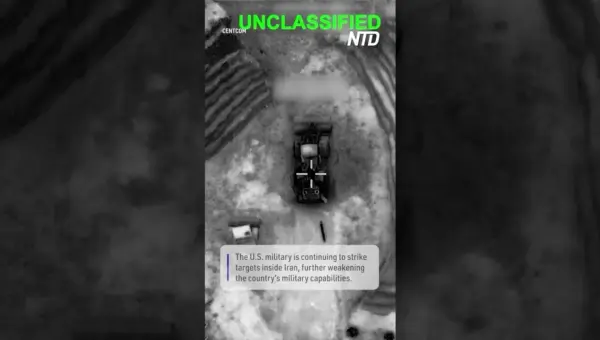
US Strikes Cripple Iran’s Military Might, CENTCOM Reports
U.S. Central Command reports ongoing strikes inside Iran are significantly weakening its military power. This direct action aims to reshape regional security dynamics, but carries risks of escalation. The long-term impact depends on Iran's response and ability to adapt.


U.S. Iran Tensions Rise Amid Shifting Alliances
Rising tensions between the U.S. and Iran are creating a volatile geopolitical situation. With conflicting signals on de-escalation and potential shifts in alliances like NATO and U.S.-Israel relations, the path forward remains uncertain. The global economy and regional stability hang in the balance.