Millions Expected at ‘No Kings’ Rallies Nationwide
Millions are expected to participate in the "No Kings" rallies nationwide on March 28th, marking the movement's third major day of action. Inspired by recent immigration crackdowns and President Trump's policies, the protests aim to safeguard democracy and have already seen successes in freeing detainees and slowing deportations.


Nationwide Protests Planned for March 28th
Millions of Americans are expected to participate in the “No Kings” rallies scheduled for Saturday, March 28th. This marks the third major nationwide day of action organized by the “No Kings” coalition. The movement, which began as a response to President Trump’s policies and perceived authoritarian tendencies, has grown significantly since its inception. Organizers stated that this latest wave of protests is particularly inspired by the federal government’s immigration crackdown in Minnesota earlier this year.
Minnesota Crackdown Sparks New Wave of Action
The choice of St. Paul, Minnesota’s capital, as the site for the national flagship event highlights the impact of the federal immigration operations. At their peak, these operations involved over 3,000 federal agents across the state. The public outcry that followed, however, forced the White House to scale back its presence, with fewer than 1,000 agents remaining. This public pressure is also credited with leading to the dismissal of Homeland Security Secretary Kristi Noem.
Grassroots Movement Emerges Against Administration Policies
The “No Kings” movement has been building momentum for over a year. Initially, small groups across the country began organizing to protest what they saw as anti-democratic actions by the Trump administration. These early protests targeted various policies, including the empowerment of individuals like Elon Musk to fire government workers and reduce federal budgets. Demonstrations also occurred at Tesla dealerships and other locations.
Confronting Congress and Shifting Tactics
Americans also began directly confronting Republican members of Congress at town hall meetings. Constituents questioned lawmakers about their perceived lack of resistance to the White House’s agenda and the numerous executive orders signed by President Trump. These orders were often seen as attempts to impose a repressive ideology focused on anti-diversity and anti-immigration sentiments. However, many Republican representatives eventually stopped attending town halls, reportedly advised by their leadership to avoid public encounters that were being widely shared online and generating negative attention.
Early Protests Show Significant Turnout
The first “No Kings” protests, held on June 14th, 2025, coincided with the 250th anniversary of the U.S. Army and President Trump’s 79th birthday. While the government hosted a large military parade in Washington D.C., which organizers described as poorly attended and a “dismal affair,” the “No Kings” protests saw an estimated 5 million people participate nationwide. This turnout far exceeded that of the official military event and marked one of the largest single-day protests in American history.
Second Wave of Protests Addresses Broader Concerns
Just four months later, on October 18th, 2025, the second “No Kings Day” protests saw even greater participation, with an estimated 7 million people taking to the streets. These demonstrations addressed a range of issues, including the separation and detention of immigrant families, the arrest of students protesting the war in Gaza, cuts to social safety net programs like healthcare and nutrition assistance, and the deployment of federal troops in cities like Los Angeles and Portland.
Movement Achieves Tangible Results
The persistent public response has led to notable outcomes. Two immigrant students, Mahmoud Khalil and Rumesa Ozturk, who were detained for advocating for the people of Gaza, have been released. Furthermore, President Trump’s mass deportation efforts have been slowed, facing significant resistance from the public. Legal challenges have also largely blocked the administration’s attempts to deploy federal troops, preventing the widespread implementation of what critics termed a “police state.”
Ongoing Challenges and Future Actions
Despite these successes, organizers stress that much work remains. The administration’s foreign policy, including a “war of choice” in Iran, is seen by some as a distraction from domestic issues. Additionally, tensions with allied nations continue, and the economy remains a significant concern, with unaffordable housing and high living costs affecting millions. Organizers highlight that the government appears inactive on these pressing economic problems.
‘No Kings’ Movement Continues to Grow
Looking ahead, more than 3,000 “No Kings” related events are planned for the upcoming Saturday, March 28th. This represents an increase from the previous event, signaling the movement’s continued growth and expanding reach. What began as a protest against aspirations of monarchical rule has evolved into a broader movement dedicated to safeguarding democracy from what are described as tyrannical policies. Events are planned in both small towns and major cities across the country, indicating the widespread nature of the movement.
“Ours is not the struggle of one day, one week or one year. Ours is not the struggle of one judicial appointment or presidential term. Ours is the struggle of a lifetime and maybe even many lifetimes, and each one of us in every generation must do our part.” – John Lewis, Congressman and Civil Rights Activist
The “No Kings” movement draws inspiration from figures like the late Congressman John Lewis, emphasizing the long-term nature of the fight for democratic principles. Organizers are urging continued public engagement, underscoring that every contribution is vital to the ongoing effort.
Source: ‘No Kings’ rallies expect to draw millions nationwide (YouTube)

Related Articles

Polls Spell Doom: Republicans Face Voter Backlash
New polling data reveals a sharp decline in public confidence regarding the economic impact of Republican policies, particularly under Donald Trump. A significant majority now feel financially worse off, a trend that is especially pronounced among independent voters. This economic discontent poses a major challenge for the Republican party heading into future elections.


Americans Rally for Democracy Amidst War and Economic Woes
Thousands of Americans are participating in "No Kings" rallies nationwide, demanding accountability from leaders and drawing parallels to historical movements that spurred significant change. The protests occur amidst a controversial war with Iran, economic uncertainty, and a partial government shutdown. Organizers emphasize solidarity, joy, and the power of collective action in defending democracy.

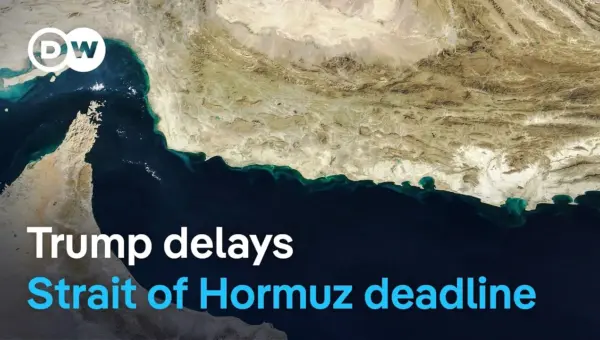
Trump Delays Iran Strike Deadline Amidst Shifting Diplomacy
President Donald Trump has extended his deadline for potential strikes on Iranian energy plants to April 6th, amid reports of U.S.-Iran diplomatic talks mediated by Pakistan. This move comes as Israel continues its strikes on Iran and the U.S. deploys additional military assets to the region. Analysts point to mixed signals, economic pressures, and strategic miscalculations as key factors shaping the evolving situation.