Trump’s Inflation Crisis: A Self-Inflicted Wound?
Inflation is expected to surge past 5% this year, a situation linked to Middle East conflicts. This economic pain mirrors past concerns that helped elect Donald Trump, raising questions about his current policy decisions and their impact on voters. The analysis suggests a self-inflicted crisis.


Trump’s Inflation Crisis: A Self-Inflicted Wound?
Inflation is once again a major concern, with new analysis predicting it could surge past 5% this year. This economic pain is hitting Americans hard, impacting everything from groceries to gas. For many, this feels eerily familiar, as rising costs were a key issue that propelled Donald Trump to victory in a previous election.
The Echo of Rising Prices
During his campaign, Trump famously focused on the cost of everyday items. He spoke about how prices for things like apples, bacon, and eggs had doubled or tripled, and he promised to bring those costs down. This message clearly resonated with voters, and he believes it was a major reason he won the presidency.
Now, with inflation expected to rise significantly again, the situation presents a stark contrast to the economic conditions when Joe Biden left office, when inflation was around 3%. The current surge in prices is being linked to disruptions in the Middle East, particularly rising oil prices. Federal Reserve Chair Jerome Powell explained that near-term inflation expectations have increased, largely due to these supply issues.
A Foreign Policy Fallout
The analysis suggests a direct link between current geopolitical events and the rising inflation. The video transcript points to a war in the Middle East as a primary driver. It questions the necessity of this conflict and highlights how it’s leading to higher gas prices and, consequently, increased costs for nearly everything else. This directly contradicts Trump’s promises of avoiding new wars in the Middle East and keeping energy prices low.
The argument is made that this foreign policy approach is a self-inflicted wound. The transcript suggests that a strategy to exert global influence, possibly inspired by earlier interventions, has led to an unintended escalation in the Middle East. This has resulted in damaged energy infrastructure and the mining of crucial shipping lanes like the Strait of Hormuz. Even if a desire to de-escalate exists, the situation is portrayed as being beyond easy control.
Broken Promises and Voter Discontent
The current economic climate, marked by rising inflation and the costs associated with a new conflict, appears to be eroding support. The transcript includes voices from individuals expressing disappointment and frustration. One person, who has voted Republican multiple times, states they are not seeing the promised benefits and feels let down by the involvement in a new war, contradicting campaign pledges.
Another individual, a long-time resident and worker in the fishing industry, expresses confusion and dissatisfaction, noting that despite voting Republican, they are not experiencing positive outcomes. The sentiment is that promises of avoiding new wars have been broken, and there’s a desire for more common-sense policies. This growing discontent could pose a significant challenge for Trump and the Republican party as they head into upcoming elections.
A Shared Responsibility
While the focus is on Trump, the analysis also points to a broader responsibility within the Republican party. It suggests that many Republican officials have enabled these policies, perhaps out of fear of political backlash or a desire to maintain favor. The argument is that these elected officials have the agency to speak out and influence decisions but have largely deferred power to Trump.
This collective inaction means that Republicans may face an uphill battle trying to explain away rising costs and involvement in a new conflict to voters. The challenge will be to present these issues positively, which the transcript suggests will require significant rhetorical gymnastics.
Why This Matters
The current economic situation, driven by rising inflation and international conflict, directly impacts the daily lives of millions of Americans. The cost of essential goods and services continues to climb, putting a strain on household budgets. The connection drawn between foreign policy decisions and domestic economic hardship is a critical point for voters to consider.
For Donald Trump, this situation presents a significant political risk. The very issues that propelled him to power – economic concerns and promises of stability – are now potentially undermining his standing. The perception that his policies have led to increased costs and new conflicts, despite campaign assurances, could alienate key voter demographics.
Trends and Future Outlook
The situation highlights a recurring pattern where geopolitical events have tangible economic consequences at home. It also underscores the importance of campaign promises, particularly those related to economic stability and foreign policy. Voters are likely to scrutinize these promises closely in future elections.
The ongoing conflict in the Middle East and its impact on global energy markets will continue to be a significant factor. The ability of political leaders to manage these complex situations while addressing domestic economic concerns will be crucial. The transcript suggests that the current trajectory, if unmanaged, could lead to prolonged economic pain for consumers.
Historical Context
The video references Joe Biden’s presidency, where inflation was a major hurdle, and links Trump’s past electoral success to economic anxieties. This shows a historical context where voters have prioritized economic well-being when casting their ballots. The current resurgence of inflation, therefore, taps into a well-established voter concern.
Furthermore, the discussion around foreign intervention and its domestic costs echoes debates from previous eras. The idea that engaging in overseas conflicts can drain resources and impact the home front is a long-standing theme in American political discourse. The current situation provides a contemporary example of these dynamics at play.
Conclusion
The confluence of rising inflation and international conflict presents a challenging landscape for Donald Trump and his political allies. The narrative emerging is one where current economic woes are linked to foreign policy decisions that seem to contradict past promises. As voters grapple with increased costs, the political ramifications of these events will likely play out significantly in the upcoming electoral cycle.
Source: BREAKING: Trump gets NIGHTMARE news, puts PRESIDENCY at risk (YouTube)

Related Articles

Polls Spell Doom: Republicans Face Voter Backlash
New polling data reveals a sharp decline in public confidence regarding the economic impact of Republican policies, particularly under Donald Trump. A significant majority now feel financially worse off, a trend that is especially pronounced among independent voters. This economic discontent poses a major challenge for the Republican party heading into future elections.
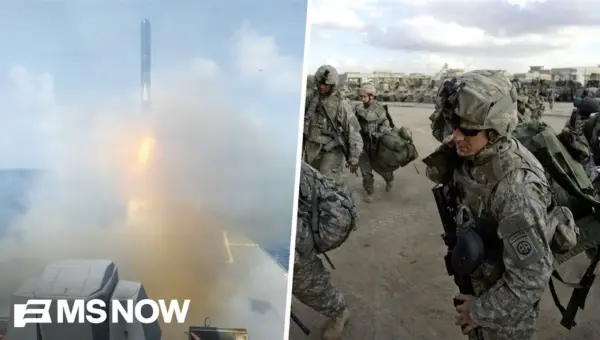
Iran Missile Strikes Injure US Troops, Raise War Concerns
Iranian missile strikes have injured U.S. service members, escalating tensions as the conflict nears one month. The attacks are raising concerns about the effectiveness of U.S. military strategy and the depletion of crucial missile stockpiles. Global oil prices have surged, impacting economies worldwide.
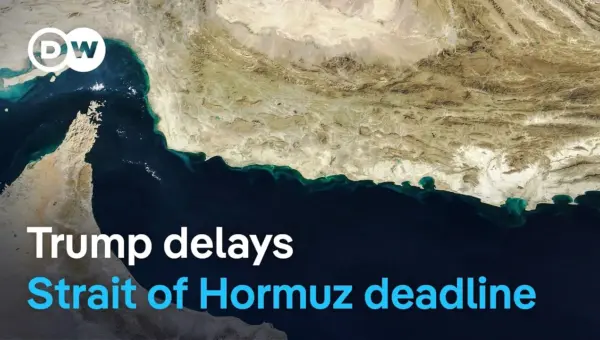
Trump Delays Iran Strike Deadline Amidst Shifting Diplomacy
President Donald Trump has extended his deadline for potential strikes on Iranian energy plants to April 6th, amid reports of U.S.-Iran diplomatic talks mediated by Pakistan. This move comes as Israel continues its strikes on Iran and the U.S. deploys additional military assets to the region. Analysts point to mixed signals, economic pressures, and strategic miscalculations as key factors shaping the evolving situation.