Trauma Recovery: Embrace the Ups and Downs
Healing from trauma involves ups and downs, not a constant state of happiness. Understanding these natural cycles can prevent discouragement and foster resilience. Learn to navigate challenges as part of your recovery journey.


Trauma Recovery: Embrace the Ups and Downs
Many people starting their journey to heal from trauma expect a smooth path. They believe that by working hard on their issues, they will eventually reach a state of permanent happiness. This ideal vision often includes a life free from challenges, where every day is sunny and problems vanish forever. However, this expectation can lead to significant disappointment when difficulties inevitably arise, even when progress has been made.
Experts in trauma recovery emphasize that life naturally includes periods of struggle, much like the changing seasons. Expecting a constant state of bliss is unrealistic and can hinder the healing process. Understanding that rough patches are a normal part of life, and even part of recovery, is crucial for sustained progress and emotional resilience.
The Myth of Permanent Sunshine
The idea of a trauma-free existence where all problems disappear is a common misconception. When individuals encounter setbacks after periods of feeling better, they may mistakenly believe they are failing or that their recovery isn’t working. This can be discouraging, leading some to abandon their healing efforts altogether. It’s important to recognize that healing is not a linear process; it involves periods of growth followed by challenges.
Dr. Jane Smith, a clinical psychologist specializing in trauma, explains, “Our minds and bodies are designed to adapt. Life itself presents ongoing stressors, and recovery from trauma doesn’t grant immunity to these. Instead, it equips you with better tools to manage them.” This perspective helps reframe difficulties not as failures, but as opportunities to practice newly learned coping mechanisms.
Navigating the Seasons of Healing
Just as nature cycles through spring, summer, autumn, and winter, our emotional lives have their own patterns. Periods of warmth and growth, akin to summer, represent times when we feel more stable and positive. Difficult times, like winter, are inevitable and can be triggered by internal or external factors, including unresolved trauma responses or new life stressors.
The key is not to avoid the ‘winters’ but to learn how to navigate them. Recovery equips individuals with coping strategies, self-awareness, and support systems. These tools can help manage difficult emotions, reduce the intensity of challenging periods, and shorten their duration. Instead of viewing a rough patch as a sign of failure, it can be seen as a test of the resilience built during the ‘warmer’ seasons of healing.
Building Resilience Through Challenges
Research consistently shows that overcoming adversity builds resilience. When individuals face a difficult period during their trauma recovery and successfully manage it, they gain confidence in their ability to handle future challenges. This process strengthens their inner resources and reinforces the effectiveness of their recovery work.
“Every time you get through a tough period using your recovery skills, you’re actually strengthening your capacity to heal,” notes Dr. David Chen, a researcher in post-traumatic stress disorder (PTSD). “It proves to yourself that you are capable of enduring and recovering, which is a powerful part of the healing journey.” This perspective shift is vital for long-term well-being.
Who Benefits from This Understanding?
This understanding is particularly relevant for anyone who has experienced trauma, including but not limited to survivors of abuse, accidents, natural disasters, or combat. It also applies to individuals dealing with chronic stress, mental health conditions like PTSD, anxiety, or depression, and anyone undergoing significant life changes or personal growth.
The advice is beneficial for adults and adolescents alike, as the concept of emotional seasons and the non-linear nature of healing are universal human experiences. Understanding these patterns can help manage expectations and foster a more compassionate approach to oneself during the recovery process.
Key Health Takeaways
- Embrace the Natural Ebbs and Flows: Recognize that healing from trauma is not a straight line; expect periods of difficulty alongside progress.
- Reframe Setbacks as Normal: Understand that hitting a rough patch, even when doing well, is a common part of life and recovery, not a sign of failure.
- Build Coping Skills: Focus on developing and practicing strategies to manage challenging emotions and situations effectively.
- Cultivate Resilience: View difficult periods as opportunities to strengthen your ability to cope and recover, building long-term resilience.
- Seek Support: Continue to engage with therapists, support groups, or trusted individuals during challenging times.
This article provides general information and does not constitute medical advice. Always consult with a qualified healthcare professional for any health concerns or before making any decisions related to your health or treatment.
Source: You need to hear this about your trauma recovery journey. (YouTube)

Related Articles


Savannah Guthrie Returns to TODAY After Family Ordeal
Savannah Guthrie is set to return to the TODAY show on April 6th following a period of hardship after her mother's kidnapping. She has shared a heartfelt message to the abductor and spoken about her family's resilience. Guthrie plans to find joy as a form of protest upon her return.


Social Media Giants Face Lawsuits Over Addictive Designs
Tech giants Meta and Google are facing significant legal challenges as juries find them liable for the addictive design of their platforms and the harm caused to young users. Recent verdicts in California and New Mexico have ordered the companies to pay millions in damages, highlighting concerns over mental health impacts and child exploitation.

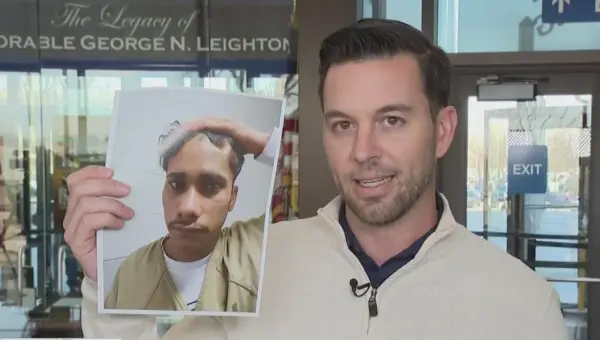
Immigration Debate Ignites Over Campus Killing
The detention hearing for Jose Medina, accused of murdering Loyola student Sheridan Gorman, has ignited a debate over immigration and mental capacity. Medina, an undocumented immigrant, will remain in custody. His defense cited head trauma and developmental delays, requesting jail time to prevent deportation and ensure due process.