Markets Tremble as War Fuels Price Shocks and Manipulation Fears
Soaring oil prices and market volatility surrounding the Iran conflict raise serious questions about potential manipulation. Decisions to lift sanctions on Iranian oil, coupled with conflicting government statements, have fueled concerns among analysts and businesses. The economic impact is already being felt by consumers and industries alike.


Markets Tremble as War Fuels Price Shocks and Manipulation Fears
The ongoing conflict in Iran is creating serious economic ripples, sending shockwaves through global markets and raising concerns about potential manipulation. As oil prices soar and supply chains buckle, the situation is hitting consumers hard at the pump and creating a difficult environment for businesses.
Rising Oil Prices and Economic Strain
Estimates suggest that oil prices could skyrocket to $180 per barrel, a significant jump that is already being felt by everyday drivers. The cost of both regular gasoline and diesel has climbed dramatically, straining household budgets. This price surge is not just about fuel; it’s impacting other essential goods. Supply chains for vital items like helium and fertilizer have been severely disrupted. This damage is forcing American farmers to seek additional government aid, highlighting the widespread economic consequences of the conflict.
Concerns Over Market Manipulation
Amidst this economic turmoil, there are serious questions about whether market forces are being unfairly influenced. A key point of contention is the United States’ decision to remove sanctions on 140 million barrels of Iranian oil. While officially framed as a move to lower gas prices, critics argue this action is a deliberate attempt to manipulate oil markets. The price of oil has been climbing rapidly, and some believe these actions are intended to benefit specific groups, such as “oil buddies” and “right-wing oligarchs.”
Conflicting Messages and Market Reactions
The situation is further complicated by seemingly contradictory statements from U.S. officials. For instance, one moment, there’s a strong stance against a ceasefire with Iran, followed shortly by talk of winding down the war. These rapid shifts in messaging, especially around market opening times, have led to significant market swings. The S&P 500, for example, saw a notable rise after statements suggesting a de-escalation, even as other economic indicators pointed downwards. This volatility suggests that swift, often contradictory, announcements can create opportunities for those with insider knowledge to profit.
Historical Context and Supply Chain Issues
The current situation echoes past economic challenges, particularly concerning the reliance on foreign oil and the impact of geopolitical events on global supply. The decision to lift sanctions on Iranian oil, even temporarily, raises eyebrows, especially when the U.S. has previously promoted its own energy independence. Furthermore, the idea that Iran has 140 million barrels of oil readily available is being questioned, with some Iranian officials stating they have little surplus crude. This suggests that the oil may already be committed, perhaps to other nations like China, raising further questions about who truly benefits from these policy changes.
Official Statements and Skepticism
U.S. Treasury Secretary statements have described Iran as a “head of the snake for global terrorism” and claimed that actions are being taken to “maximize the flow of energy to the world” and “ensure market stability.” The temporary authorization for Iranian oil sales is presented as a way to increase global energy supply and relieve pressure. However, these explanations are met with skepticism. Critics point to the fact that oil prices continue to rise despite these measures. They view the official statements as coded messages intended to guide specific market players, rather than genuine efforts to stabilize prices for the public.
Business Impact and Future Outlook
The turbulence is not confined to financial markets; it’s directly impacting major industries. Airlines, for instance, are bracing for sustained high oil prices. United Airlines’ CEO has indicated that the company is preparing for oil to reach $175 a barrel, with prices unlikely to return to $100 until late 2027 or 2028. This outlook is forcing airlines to adjust flight schedules and operations. This suggests that the economic fallout from the conflict and potential market manipulation could have long-lasting effects on businesses and consumers alike.
Why This Matters
The events surrounding the Iran conflict and market reactions highlight critical issues of transparency and accountability in global finance and politics. When economic policies, especially those related to essential resources like oil, are perceived as potentially manipulative, it erodes public trust. The volatility experienced by the markets, coupled with rising consumer costs, demonstrates the real-world impact of these complex geopolitical and economic dynamics. Understanding these connections is crucial for navigating the challenges ahead.
Looking Ahead
The current economic climate is marked by uncertainty. Rising inflation expectations, a technical correction in some stock market indices, and the significant increase in gas prices paint a stark picture. The coming months will be critical in determining whether market forces can stabilize naturally or if further interventions, and their potential consequences, will be necessary. The lack of clear regulation and the speed at which information (and misinformation) can spread through financial markets add layers of complexity to an already challenging situation.
Source: Trump LOSES CONTROL of WAR as MARKETS IMPLODE!!! (YouTube)

Related Articles


Markets Tumble Amid Iran Tensions and Shutdown Gridlock
Wall Street experienced a significant slide today, with the Dow and Nasdaq entering correction territory, driven by escalating tensions with Iran and market uncertainty. Meanwhile, a government shutdown continues to cause chaos at airports nationwide, leaving thousands of workers unpaid and travelers facing long delays. The global energy supply is also under pressure, impacting prices and availability worldwide.


Trump’s Inner Circle Shields Him From War Reality
President Trump reportedly receives heavily filtered updates on the conflict with Iran, focusing on successes while downplaying setbacks. This intentional information control aims to maintain his belief in a decisive victory, but raises concerns about his ability to make informed decisions.
Pentagon Weighs 10,000 Troops for Iran Showdown
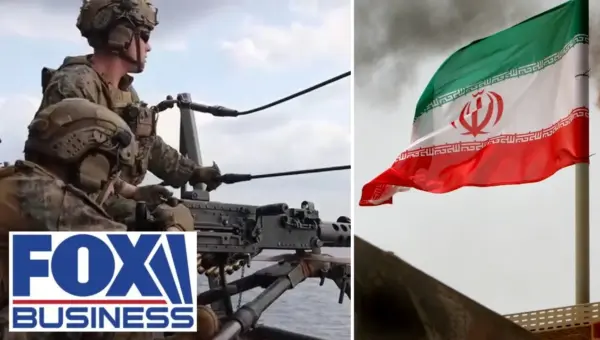
The Pentagon is reportedly weighing a significant troop increase of 10,000 soldiers to the Middle East, potentially escalating tensions with Iran. This move comes amid reports of U.S. precision strikes and interceptions of Iranian missiles by allies, raising concerns about regional stability and global oil supplies.