Valve’s Steam Machine Returns, Embracing Linux for Gaming
Valve's new Steam Machine reimagines the console with a powerful Arch Linux-based operating system, offering seamless transitions between gaming and a full PC desktop experience. Leveraging Proton for Windows game compatibility, it aims for affordability and flexibility, challenging the traditional console market.

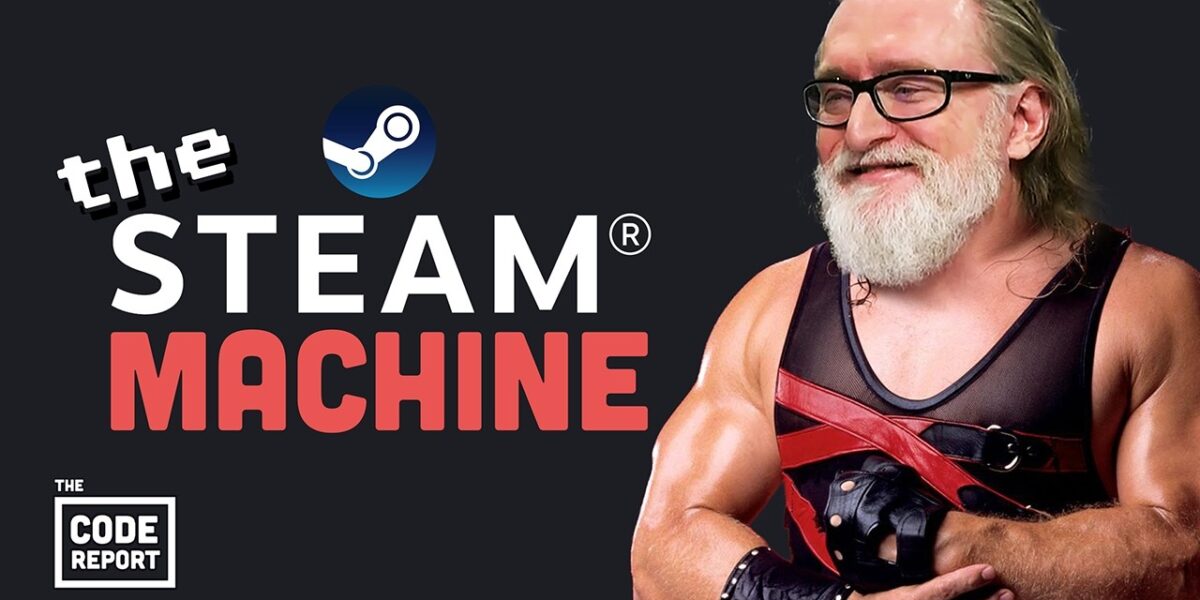
Valve’s Bold Return: The Steam Machine Reimagined with Arch Linux
The landscape of gaming consoles has been dramatically reshaped with the surprise re-emergence of Valve’s Steam Machine. Moving away from its initial, less successful 2015 iteration, this new iteration aims to blend the seamless experience of a gaming console with the robust flexibility of a Linux-based PC. The core of this transformation lies in its operating system: Steam OS, a custom distribution built upon Arch Linux, complete with the KDE Plasma desktop environment.
A Hybrid Gaming and Computing Experience
For gamers, the primary appeal is the ability to dive into AAA titles on their television. However, the Steam Machine offers a unique duality. With a simple switch, users can transition from gaming to a full-fledged Linux desktop. This opens up possibilities beyond gaming, allowing users to access their work, browse the web, or engage in other computing tasks directly from their living room couch.
The Power of Proton and Linux Compatibility
A significant hurdle for Linux gaming has historically been game compatibility. Valve addresses this head-on with its continued development of Proton, an open-source compatibility layer. Proton enables a vast library of Windows-based games to run on Linux with remarkable stability and performance, effectively bridging the gap between the two ecosystems. This means users are not limited to Linux-native titles; a wide range of popular games are now accessible.
Beyond the Steam Ecosystem
While deeply integrated with the Steam platform, the Steam Machine is not confined to it. The desktop mode allows users to install and run applications from any store or source, offering unparalleled freedom compared to traditional, more locked-down consoles like the PlayStation or Xbox. This flexibility extends to customization, with the inclusion of a programmable LED strip for aesthetic personalization.
Hardware Specifications and Performance
Under the hood, the new Steam Machine is equipped with a semi-custom AMD processor clocked at 4.8 GHz, 16 GB of RAM, and 8 GB of VRAM dedicated to its semi-custom AMD GPU. Valve claims this hardware is capable of running games at 4K resolution with a 60 frames per second target. While these specifications are respectable, they are not positioned at the absolute cutting edge of PC hardware. For context, high-demand titles like Microsoft Flight Simulator in VR can challenge even high-end PCs with significantly more RAM and top-tier GPUs, suggesting the Steam Machine is optimized for a broad gaming audience rather than extreme performance enthusiasts.
Pricing and Value Proposition
A key factor for any consumer device is its price point. Valve has indicated that the Steam Machine will be affordably priced, aiming to stay well under the $1,000 mark. If the final cost lands in the $500-$700 range, it would represent a compelling value proposition, offering a versatile gaming and computing platform at a competitive price.
Potential Drawbacks and Limitations
Despite its innovative approach, the Steam Machine faces certain limitations. The fixed hardware configuration means users cannot upgrade individual components like they can with a traditional desktop PC, potentially impacting longevity for future demanding titles. Furthermore, while the Steam OS version of Arch Linux offers significant advantages, it may not satisfy hardcore Arch Linux users seeking absolute control and customization over their system. For professionals looking to run and train large-scale AI models locally, the Steam Machine’s hardware is not designed for such intensive computational tasks.
Why This Matters
The return of the Steam Machine, particularly its embrace of Linux and the Proton compatibility layer, signifies a potential paradigm shift in PC gaming and console design. By offering a powerful, flexible, and potentially affordable alternative to traditional consoles and Windows PCs, Valve is democratizing access to a more open computing platform. This move could encourage wider adoption of Linux in the mainstream, challenging the long-standing dominance of Windows in both the gaming and general computing spheres. For developers, it presents an opportunity to target a growing Linux-based gaming audience. For consumers, it offers a versatile device that caters to both entertainment and productivity needs, blurring the lines between a dedicated gaming console and a personal computer.
Looking Ahead
The success of this new Steam Machine will hinge on its ability to deliver on its promises of performance, compatibility, and affordability. As Valve continues to refine Steam OS and Proton, the Steam Machine could very well usher in a new era for Linux in gaming, potentially fulfilling the long-held dream of the “Linux desktop” finally gaining significant traction.
Source: The gaming console wars just got weird… (YouTube)

Related Articles


Steam Deck’s 2026 Verdict: Still Worth Your Money?
In 2026, the Valve Steam Deck faces a critical crossroads. While its SteamOS remains a top-tier handheld experience, aging hardware, availability issues, and growing anti-cheat incompatibilities are casting a shadow over its future. Is it still worth buying?


Valve Under Fire: Loot Boxes Spark Gambling Lawsuit
Valve is facing a lawsuit from New York State over loot boxes in CS2 and Team Fortress, which the state deems gambling. Valve defends its system by comparing it to collectible card markets, but the case raises broader questions about game monetization and regulation.


Linux Gaming Challenge: The Verdict is In!
A month-long challenge to game exclusively on Linux reveals significant progress, but also persistent hurdles. Discover which distros shined and where the platform still needs work.