American Jews Reclaim German Citizenship Amidst US Political Unrest and Fear of Trump
A growing number of American Jews, many descendants of Holocaust survivors, are reclaiming German citizenship, citing deep fears over the US political climate and the Trump administration. This poignant reversal of history, enabled by Germany's Article 116, Paragraph 2, highlights anxieties about the erosion of democratic norms and a need for a 'plan B' amidst perceived threats to their security and belonging in the United States.

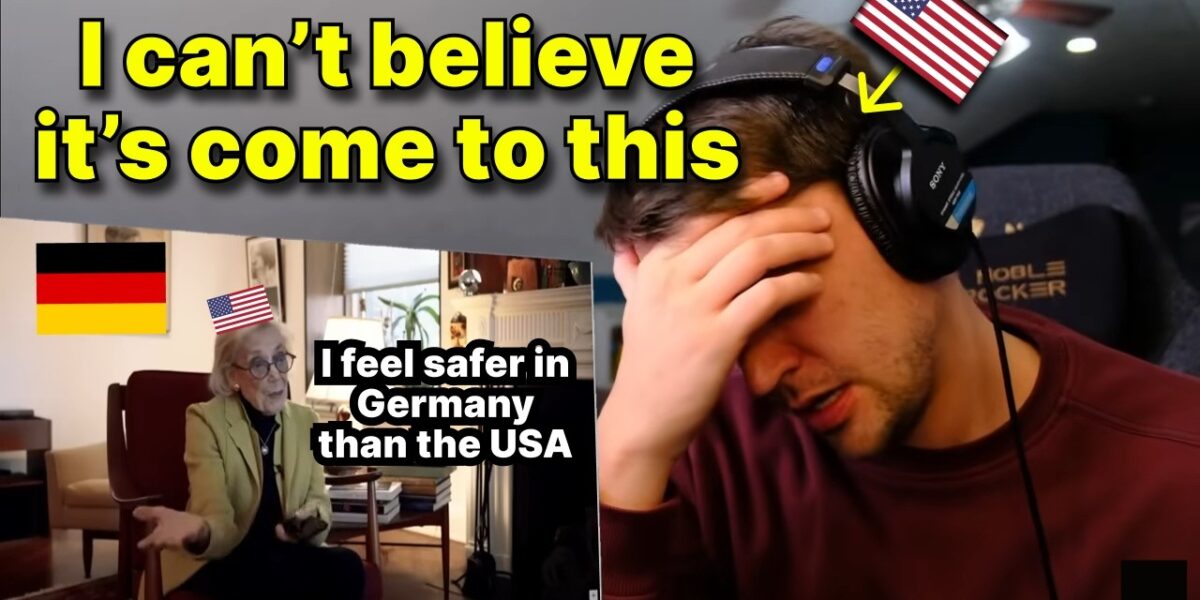
A Full Circle Moment: American Jews Reclaiming German Citizenship
In a phenomenon once deemed unimaginable, a growing number of American Jews, many of whom are descendants of Holocaust survivors, are making the profound decision to reclaim German citizenship. This poignant reversal of history, highlighted by a recent DW News report, reflects deep-seated anxieties within the Jewish community regarding the current political climate in the United States, particularly under the shadow of former President Donald Trump’s administration and the broader erosion of democratic norms.
The trend represents a powerful ‘full circle’ moment for Germany, a nation that historically stripped Jews of their rights and citizenship, leading to the murder of six million during the Holocaust. Today, Germany, through Article 116, Paragraph 2 of its Basic Law, offers a path for victims of Nazi persecution and their descendants to restore the citizenship that was unjustly taken. What was once a symbol of expulsion has now become, for some, a potential avenue of refuge.
The Shadow of Trump: A ‘Plan B’ for American Jews
For many, the primary catalyst behind this decision is the unsettling political environment in the United States. Interviewees in the report explicitly link their motivations to the Trump administration, citing a pervasive sense of unease and a need for a ‘plan B’. One individual, whose father had to flee Germany previously, articulated a compelling reason: "Given that family history, I feel compelled to have a plan B." This sentiment underscores a generational trauma reawakened by contemporary political rhetoric and actions.
The perceived erosion of democratic norms in the US is a significant concern. The video’s commentator, reflecting on the broader implications, lamented the undermining of people’s faith in American democracy, noting that a substantial portion of the population no longer trusts election results. This disillusionment, coupled with the feeling that the US political landscape is becoming increasingly volatile, fuels the desire for alternative options.
Echoes of the Past: "It Could Happen Here"
A particularly chilling realization for many is the thought that "what happened in Germany could only have happened in Germany" was a false premise. "I now realize that was wrong," one interviewee stated, expressing a profound shift in perspective. The belief that such atrocities are confined to history or specific national characteristics has been shattered, replaced by a tangible fear that similar societal breakdowns could occur anywhere, including in the United States.
This fear is not unfounded for those with historical memory. The commentator in the video drew parallels between Donald Trump and historical authoritarian figures, describing them as "fascists" and "authoritarians." While acknowledging that Jewish people were not the direct target of the MAGA movement in the same way they were under the Nazis, the unpredictability of political allegiances and the perceived lack of principled stands from certain leaders create an environment of profound insecurity. "Who knows how Donald Trump feels about the Jews tomorrow? He doesn’t actually stand on any principles… Could he be the most anti-Semitic person tomorrow? Yeah, absolutely. If it suited him," the commentator observed.
Rising Anti-Semitism and Political Divides
Concerns about rising anti-Semitism in the US also play a role. While the transcript mentions a disputed statistic about hate crimes against Jews, the underlying anxiety is palpable. The commentator noted that anti-Semitism has seen a rise across the political spectrum, albeit for different reasons, contributing to an "uncomfortable feeling." This general increase in animosity, whether from the far-right or elements on the left, exacerbates the sense of vulnerability within the Jewish community.
Ruth Enoch’s Enduring Journey: A Century of Witness
The story of Ruth Enoch, a 103-year-old Holocaust survivor, serves as a powerful testament to the deep historical and personal layers of this trend. Born in Hamburg in 1922, Ruth’s family was well-assimilated, her father a decorated World War I officer. Yet, with Hitler’s rise, her father’s friends turned into Nazis, a devastating betrayal of trust. The Nazi regime’s Nuremberg Laws stripped Jews of their rights, forcing Ruth and her sister to flee to France, where she was arrested and interned in horrific conditions.
Her harrowing escape through Spain to Portugal and eventually to the United States highlights a lifetime marked by persecution and displacement. Now, decades later, Ruth has reclaimed her German passport, a decision she initiated when it seemed Trump was likely to win a second term. "Recent events have undermined her feeling of belonging in the US where she’s lived for most of her life," the report states. Her three great-grandchildren have also become German citizens, ensuring a ‘plan B’ for future generations and signifying a profound intergenerational response to perceived threats.
Ruth Enoch’s experience underscores the cyclical nature of fear and the enduring impact of historical trauma. Her journey from being stripped of citizenship by her homeland to reclaiming it in her twilight years, driven by anxieties in her adopted home, is a stark commentary on the fragility of security and belonging.
The Numbers Tell a Story: A Surge in Applications
The trend is not merely anecdotal. Applications for the restoration of German citizenship, particularly those removed by the Nazis, have more than doubled in the last four years in New York alone. This significant increase acts as a "red flag," as the commentator noted. "These people who fled persecution, came to America… it really was like a shining light to them… and now they’re leaving. It’s not a good sign." The dramatic rise in applications indicates a widespread and growing concern among American Jews, reflecting a tangible shift in their sense of security and future in the US.
Beyond Politics: Reconnection and European Opportunity
While political anxieties are a dominant factor, the decision to reclaim German citizenship is not solely motivated by fear. Some individuals are also driven by a desire to reconnect with their heritage and expand their possibilities within Europe. "I think the main reason is just to really reconnect with who we are and to expand our possibilities with Europe," one applicant explained, emphasizing a non-political motivation that has been years in the making. This highlights the multifaceted nature of identity and the pull of ancestral roots, even in the face of a painful past.
A Nation’s Disgrace: Fear and Free Speech
A deeply troubling aspect of this phenomenon is the reluctance of some individuals to openly discuss their reasons for seeking German citizenship. The report notes that some are "hesitant to share their reasoning," with one interviewee stating, "We’d rather not get into that because… he’s paying more and more attention to what people say about him." This fear of speaking out in a country founded on principles of free speech is, as the commentator emphatically stated, "an absolute disgrace to our constitution." The chilling effect on open expression underscores the depth of concern regarding authoritarian tendencies and potential retribution, further eroding trust in democratic institutions.
Germany’s Transformation: From Persecutor to Protector
Germany’s proactive stance in offering citizenship restoration is a testament to its ongoing efforts to grapple with its dark past and atone for historical injustices. By allowing victims of Nazi persecution and their descendants, up to great-grandchildren, to reclaim citizenship, Germany is not only providing a legal remedy but also attempting to heal generational wounds. This policy positions Germany, paradoxically, as a potential haven for those fleeing perceived threats in a country that once offered them refuge.
Conclusion
The decision of American Jews to reclaim German citizenship is a complex and deeply symbolic trend. It speaks to a profound sense of insecurity driven by political polarization, a perceived erosion of democratic values, and rising anti-Semitism in the United States. For descendants of Holocaust survivors, the echoes of history are particularly resonant, compelling them to seek a ‘plan B’ in a nation that once sought their annihilation.
While some are motivated by a desire for cultural reconnection, the overarching narrative is one of concern for the future of American democracy and the safety of minority groups. This trend serves as a powerful warning sign, challenging the long-held notion of America as an unshakeable beacon of freedom and raising critical questions about the enduring strength of its democratic institutions in the face of political extremism.
Source: American reacts to American Jews are flocking BACK to Germany in fear of Trump (YouTube)

Related Articles


Trump’s Allies Stumble, Exposing MAGA Movement’s Weaknesses
Recent events reveal cracks in the MAGA movement, from JD Vance's failed support for Viktor Orban in Hungary to disappointing Turn Point USA rallies. Trump's attacks on Pope Leo also alienate allies and expose strategic missteps. These challenges suggest a weakening of the movement's influence.

Trump’s “Malignant Narcissism” and Vance’s “Dark Emptiness”
Gerard Baker and Katy Balls discuss Donald Trump's "malignant narcissism" and JD Vance's perceived "dark emptiness." The conversation covers the US blockade of Iran, Vance's evolving role, and Trump's controversial "Jesus Christ" post, exploring its political implications and the nature of faith and authenticity in politics.


Trump Officials Dodge Key Questions on Economy, Gas Prices
Top Trump administration officials faced tough questions on rising gas prices and economic woes during a press briefing. Critics argue officials dodged key issues, offered vague promises, and deflected criticism by attacking opponents, all while serious economic concerns were met with lighthearted jokes.