Global Leaders Shun Trump Amidst War Concerns
World leaders are increasingly critical of Donald Trump's foreign policy, citing concerns over ongoing wars and their global impact. From criticism of his handling of the Iran conflict to Taiwan's worries about depleted U.S. missile stockpiles, a growing distance is evident. Sanctions decisions and geopolitical maneuvering further complicate the international landscape.


Global Leaders Shun Trump Amidst War Concerns
Recent events show a growing distance between Donald Trump and world leaders, who are increasingly critical of his foreign policy decisions. This shift comes as concerns mount over ongoing conflicts and their impact on international stability. Allies are speaking out, suggesting a significant change in global relationships.
French General’s Blunt Criticism
A retired French general, Nicholas Rashau, has openly criticized Trump’s handling of a major conflict. He stated that Trump “shot himself in the foot” with his approach to the war in Iran. The general also mentioned Trump’s past desire to invade Greenland, a European Union member, before focusing on Iran. This indicates a lack of consultation and trust from traditional allies.
“Now his old friends who he didn’t consult, who he scorned, especially the British, are telling him, ‘Guess what, Donald? We’re not with you anymore.'”
The general’s remarks, even when softened for broadcast, convey a strong sense of disapproval. He suggested that Trump, who now appears to need support, should be told off directly. This sentiment reflects a broader feeling among some international figures that Trump’s actions have isolated him.
Taiwan’s Growing Worries
Taiwan’s leadership has also voiced concerns, particularly regarding the ongoing war in Iran. The island nation fears that the heavy use of U.S. missile stockpiles, such as Tomahawk cruise missiles and air defense interceptors, in the Middle East is depleting resources. These resources are seen as critical for Taiwan’s defense in the event of a conflict with China.
While U.S. officials may offer assurances of continued support, the depletion of key military assets raises questions about practical capabilities. This situation highlights how regional conflicts can have far-reaching strategic implications, impacting other areas of global tension.
Iran Sanctions and Economic Impact
A significant point of contention has been the U.S. decision to lift oil sanctions on Iran, a move described as a $14 billion “gift” to the country. This action has drawn criticism, especially when compared to previous agreements like the Iran nuclear deal under President Obama. The Obama-era deal aimed to stop Iran’s uranium enrichment program through strict inspections and international support.
In contrast, Trump’s decision to withdraw from that deal and subsequently lift sanctions has allowed Iran to regain economic leverage. Iran now reportedly controls the Strait of Hormuz, a vital shipping lane, and charges tolls to countries like India. Furthermore, Iran is insisting that trade through the strait be conducted in Chinese yuan, potentially weakening the U.S. dollar’s global standing.
Japan’s Displeasure with Trump
Prime Minister Kishida of Japan faced public backlash following his appearance in the United States. The criticism stemmed from Trump’s behavior during their meeting, including making jokes about Pearl Harbor and posting unflattering photos of the Prime Minister. Trump also reportedly mocked former presidents on a display of presidential photos, replacing President Biden’s image with an autopen signature.
Japanese citizens and media expressed outrage, calling the Prime Minister’s apparent amusement at Trump’s antics a “sycophantic move.” Public protests in Japan against the prime minister’s visit and the ongoing war indicate a significant disconnect between leadership and public sentiment, particularly concerning U.S. foreign policy.
Conflicting Stances on Ceasefires and Peace
Trump’s approach to conflict resolution has been marked by apparent contradictions. Within a 36-hour period, he reportedly shifted from refusing a ceasefire with Iran to considering peace talks, and then issuing a 48-hour ultimatum to obliterate Iran’s power plants if the Strait of Hormuz was not opened.
Critics describe this decision-making as erratic and potentially harmful. The transcript suggests a pattern of impulsivity that could escalate tensions rather than resolve them. This unpredictability raises concerns among allies and adversaries alike.
Broader Geopolitical Concerns
Beyond Iran, Trump’s foreign policy has drawn criticism regarding Russia and European alliances. The Conservative Political Action Committee (CPAC) Hungary event, which supported Hungarian Prime Minister Viktor Orbán, a figure often seen as aligned with Putin, highlights these concerns.
Trump’s endorsement of Orbán and the presence of figures like Marco Rubio and JD Vance at the event suggest a strategy to bolster leaders perceived as challenging the European Union and pro-democracy movements. Reports of Russian involvement in potentially staging an assassination attempt on Orbán to boost his election chances further complicate the geopolitical picture.
Additionally, there are reports of Belarus President Alexander Lukashenko, a Russian ally, being invited to Mar-a-Lago by Trump. Lifting sanctions on Belarus has been framed as indirectly benefiting Russia, raising questions about Trump’s alignment with Putin’s interests.
Mediation Efforts and International Instability
Efforts by figures associated with Trump, such as Jared Kushner and Steve Witkoff, to mediate an end to Russia’s war against Ukraine have also been noted. However, these efforts are viewed by some as potentially undermining established diplomatic channels and international consensus.
The ongoing conflict in the Middle East, coupled with the war in Ukraine, contributes to global instability. The potential closure of vital shipping lanes like the Strait of Hormuz and the Red Sea could lead to a surge in oil prices, with estimates reaching $200 per barrel. This economic disruption could have severe consequences worldwide, affecting everything from energy costs to the availability of essential goods like fertilizer.
Escalating Tensions in the Middle East
Iran has responded assertively to threats against its energy infrastructure. Following U.S. sanctions relief and Israeli actions, Iran has indicated readiness to escalate the conflict. Iranian leaders have mocked the U.S. response, suggesting that Israeli defenses are vulnerable and that new phases of battle are imminent.
Trump’s ultimatum regarding the Strait of Hormuz has been met with a counter-threat from Iran’s military, warning of targeting U.S. and allied energy infrastructure in the region. This tit-for-tat escalation suggests a dangerous cycle that could lead to wider conflict and severe economic repercussions.
Why This Matters
The international community’s growing skepticism towards Donald Trump’s foreign policy has significant implications. It suggests a potential realignment of global alliances and a questioning of U.S. leadership under his influence. The perceived weakening of U.S. credibility could embolden adversaries and create instability in volatile regions.
The economic consequences of escalating conflicts, particularly concerning oil supplies and trade routes, could trigger a global recession. Furthermore, the focus on personal relationships and transactional diplomacy over established international norms risks undermining democratic values and long-term security cooperation.
Historical Context and Future Outlook
Historically, U.S. foreign policy has relied on a network of alliances and a commitment to international institutions to maintain stability. The current criticisms suggest a departure from this approach, favoring a more unilateral and disruptive stance.
The future outlook is uncertain. If international partners continue to distance themselves from Trump’s policies, it could lead to a more fragmented global order. The economic fallout from potential disruptions to vital trade routes and energy supplies could be severe and long-lasting. The effectiveness of diplomatic efforts, especially those involving intermediaries with ties to Trump, remains to be seen amid escalating geopolitical tensions.
Source: FURIOUS World Leaders FREEZE OUT Trump as WAR COLLAPSES!!! (YouTube)

Related Articles


Iran Targets US With Cyberattacks, Escalating Digital Warfare
Iran is increasingly using cyberattacks to challenge the U.S., as seen in a recent hack of the FBI director's account. Experts say this is a strategic shift due to Iran's limitations in conventional warfare. The U.S. needs to strengthen its digital defenses, focusing on encryption and cloud computing, rather than solely relying on traditional security measures.

Protesters Challenge Presidential Power, Ignite Debate
Millions are protesting nationwide under the "No Kings" banner, challenging presidential authority and policies they deem unconstitutional. Organizers emphasize First Amendment rights while debating foreign policy, immigration, and the balance of power.
Ukraine Strikes Russian Oil Refinery, Eyes Iran Threat
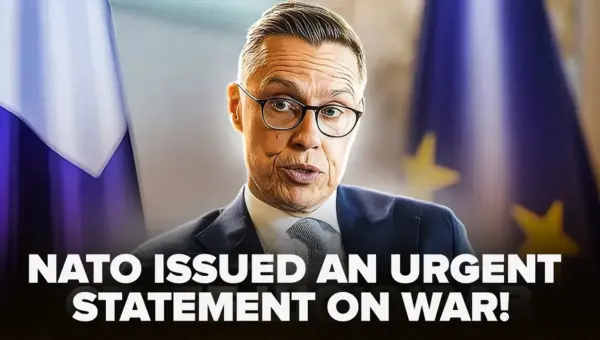
Ukrainian forces struck a key Russian oil refinery, disrupting Moscow's war capabilities. Meanwhile, Finland's president urged continued U.S. support for Ukraine, as Kyiv shares its air defense expertise globally amid growing geopolitical complexities involving Iran and potential sanctions against Hungary.