48 Hours: Iran Conflict Threatens Global Energy, Markets
A direct U.S. threat to Iran's energy infrastructure and retaliatory attacks have ignited fears of a global energy war. Oil and gas prices could surge to historic highs, potentially triggering a global recession by 2026.


Global Energy Supply at Risk as Iran Conflict Escalates
A rapidly escalating conflict involving Iran and potential U.S. intervention is posing one of the most significant threats to the global economy in decades. The situation has moved beyond a regional dispute, now directly impacting worldwide energy systems, financial markets, and global stability.
Trump’s Stark Warning Sparks Market Fears
Former President Donald Trump issued a strong warning via Truth Social, stating that if Iran does not fully open the Strait of Hormuz within 48 hours, the United States will “hit and obliterate their various power plants, starting with the biggest one first.” This direct threat to Iran’s energy infrastructure comes on the heels of recent attacks on energy facilities.
Just days prior, Israel struck an Iranian gas facility. Iran retaliated by hitting a major Liquefied Natural Gas (LNG) facility in Qatar. This attack reportedly eliminated 17% of global LNG supply capacity for the next five years, affecting more than just Qatar’s output.
An Energy War Unfolds
Iran has warned of retaliatory strikes on key Middle Eastern infrastructure if the U.S. follows through on its threat. This tit-for-tat escalation suggests a full-blown energy war is underway, with potentially enormous consequences.
Oil prices, currently trading above $100 per barrel, are expected to surge dramatically. Markets were closed at the time of the statement, but the mere announcement is likely to cause significant volatility when trading resumes. Prices could potentially climb past $200 per barrel, reaching historic highs.
Natural gas prices have already doubled since the conflict began. Further disruptions could send these prices into “many multiples” of their current level. Europe, heavily reliant on natural gas for electricity generation, faces severe energy price hikes if infrastructure continues to be targeted. This surge in energy costs fuels inflation, impacting consumers, businesses, and governments worldwide.
Recession Fears Rise for 2026
The rapid deterioration of the energy market and rising inflation create a genuine risk of a global recession by 2026. Unlike gradual economic slowdowns, this crisis is expected to cause swift and significant economic downturns.
The Strait of Hormuz: A Critical Chokepoint
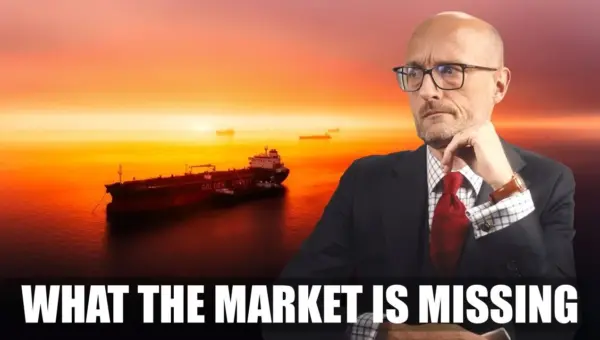
The Strait of Hormuz is a vital waterway, with roughly 20% of all global oil and gas supplies passing through it daily. Currently, traffic in the strait is severely restricted due to the risk of attacks on tankers. Even naval escorts, which Trump has called for, may not fully eliminate the threat, as missiles and drones can still target vessels.
Sanctions Relief and Global Energy Dynamics
In an effort to stabilize energy markets, the U.S. recently eased sanctions on Russian oil and, more significantly, lifted sanctions on Iranian oil that had been in place since 1979. This move highlights the extreme desperation to increase global oil supply and keep prices down amid high demand.
However, relaxing sanctions on countries like Russia and Iran, which the sanctions were designed to penalize, raises concerns. It suggests that economic concerns are currently overshadowing geopolitical objectives, potentially benefiting these regimes.
Expanding Missile Capabilities and Geopolitical Risk
The conflict’s military dimension is also intensifying. Iran recently launched ballistic missiles targeting U.S. and UK bases on Diego Garcia in the Chagos Islands. There are now concerns that Iran possesses the capability to strike major European capitals like Paris and Berlin, a development previously not widely anticipated.
Furthermore, reports indicate Iran may have targeted areas linked to Israel’s nuclear capabilities. Given Israel is widely believed to possess nuclear weapons, this raises the unsettling question of potential nuclear escalation, though such a scenario remains distant.
Summary of Escalation
The current situation is marked by a dangerous pattern: threats against energy infrastructure, retaliatory attacks, increasing missile capabilities, and a widening geographic scope of the conflict. This is no longer a contained regional issue, as numerous Middle Eastern nations are being drawn in.
The U.S. has directly threatened to destroy Iran’s energy infrastructure, Iran has responded with retaliatory strikes, and the Strait of Hormuz remains severely disrupted. Oil and gas prices are surging, with a growing risk of unprecedented levels that could trigger a global recession.
Simultaneously, missile capabilities are advancing, the conflict’s reach is expanding, and concerns about nuclear escalation are emerging. If this trend continues, the conflict could become one of the most damaging global economic shocks in modern history.
Source: 48 Hours… (YouTube)

Related Articles

Stocks Ignore War Risks, Focus on “Taco Moments”
Stock markets appear to be overlooking the severe supply chain risks stemming from the Iran conflict, focusing instead on potential diplomatic de-escalations. While the S&P 500 shows resilience, bond and commodity markets signal deep concern over disruptions to critical resources like LNG, helium, and fertilizers.


U.S. Iran Tensions Rise Amid Shifting Alliances
Rising tensions between the U.S. and Iran are creating a volatile geopolitical situation. With conflicting signals on de-escalation and potential shifts in alliances like NATO and U.S.-Israel relations, the path forward remains uncertain. The global economy and regional stability hang in the balance.


Iran Targets US With Cyberattacks, Escalating Digital Warfare
Iran is increasingly using cyberattacks to challenge the U.S., as seen in a recent hack of the FBI director's account. Experts say this is a strategic shift due to Iran's limitations in conventional warfare. The U.S. needs to strengthen its digital defenses, focusing on encryption and cloud computing, rather than solely relying on traditional security measures.