France Seizes Russian Shadow Fleet Tanker, Exposing Sanctions Evasion
France has seized a Russian oil tanker linked to the "Shadow Fleet," a network of vessels used to bypass Western sanctions. This action highlights efforts to disrupt Russia's oil revenue and enforce international penalties. The "Shadow Fleet" plays a crucial role in Russia's economy, allowing it to continue oil exports despite sanctions.


France Intercepts Russian Oil Tanker Amid Sanctions Crackdown
France has seized a Russian oil tanker in the Mediterranean Sea, a move President Emmanuel Macron described as targeting the nation’s “Shadow Fleet.” This operation, carried out with British support, highlights ongoing efforts to enforce sanctions against Russia and disrupt its oil exports. The tanker is accused of helping Moscow bypass Western sanctions, which were put in place following the invasion of Ukraine.
What is the ‘Shadow Fleet’?
The term “Shadow Fleet” refers to a group of oil tankers that Russia uses to export its oil, often circumventing international sanctions. These ships frequently change ownership, flag registration, and appear to operate outside of standard maritime regulations. They are crucial for Russia’s economy, allowing it to continue selling oil despite Western efforts to limit its revenue.
President Macron called these vessels “war profiteers” that break maritime laws and fund Russia’s war. This seizure marks the second time France has intercepted a tanker linked to this shadow fleet in recent months, signaling a more aggressive stance against sanction evasion.
Sanctions and Enforcement Challenges
Western nations imposed strict sanctions on Russia after it invaded Ukraine in February 2022. These sanctions aim to cripple Russia’s economy, particularly its oil and gas sector, which is a major source of its national income. However, Russia has found ways to continue exporting its energy, often through complex networks involving older ships and opaque ownership structures.
The “Shadow Fleet” is a direct response to these sanctions. By using these vessels, Russia can still sell its oil on the global market, sometimes at discounted prices. This practice not only provides Russia with much-needed funds but also helps stabilize global oil prices to some extent, though it undermines the impact of Western sanctions.
Historical Context of Sanctions Evasion
Sanctions evasion is not a new tactic. Throughout history, nations facing international pressure have sought ways to continue trade and fund their activities. The methods often involve creating parallel economies or using intermediaries and shell companies to obscure the origin or destination of goods.
In the case of oil, its fungibility makes it particularly difficult to track and sanction effectively. If one buyer is sanctioned, Russia can often find another willing to purchase the oil, especially if the price is right. The “Shadow Fleet” is a modern manifestation of these age-old strategies, adapted for the digital age and complex global shipping industry.
Why This Matters
This seizure by France is significant because it represents a tangible effort to enforce sanctions. It shows that Western allies are coordinating to disrupt Russia’s oil trade, even if it means seizing assets. The “Shadow Fleet” is a critical tool for Russia, and disrupting its operations directly impacts Moscow’s ability to finance its war and maintain its economy.
The incident also raises questions about maritime safety and international law. Many ships in the shadow fleet are older and may not meet current safety standards, increasing the risk of environmental disasters. Their opaque nature makes it hard to hold anyone accountable when accidents happen.
Implications and Future Outlook
The seizure could lead to further actions by other European nations, potentially increasing pressure on Russia’s oil exports. It might also force Russia to find even more complex or risky methods to move its oil, or it could lead to higher prices if supply is significantly reduced.
The effectiveness of sanctions often depends on the ability to enforce them. This French action, supported by Britain, suggests a renewed commitment to closing loopholes. However, the sheer size and complexity of the global oil trade mean that completely cutting off Russia will be a long and challenging process. The “Shadow Fleet” is likely to adapt, and so will the efforts to counter it.
Ultimately, the fate of the “Shadow Fleet” and Russia’s ability to use it will play a role in the ongoing conflict and the global energy market. Continued vigilance and international cooperation will be key to managing these challenges.
Forced Confessions in Iran Highlight Human Rights Concerns
Separately, the NGO Iran Human Rights has reported that three men in Iran were convicted based on forced confessions. State TV footage reportedly showed these confessions, with no other evidence presented to prove their guilt. This situation underscores broader concerns about human rights and due process in Iran.
Source: France Seizes Oil Tanker Linked to Russian Shadow Fleet (YouTube)

Related Articles
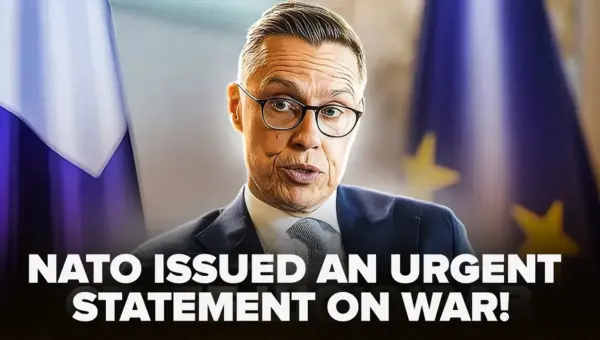
Ukraine Strikes Russian Oil Refinery, Eyes Iran Threat
Ukrainian forces struck a key Russian oil refinery, disrupting Moscow's war capabilities. Meanwhile, Finland's president urged continued U.S. support for Ukraine, as Kyiv shares its air defense expertise globally amid growing geopolitical complexities involving Iran and potential sanctions against Hungary.
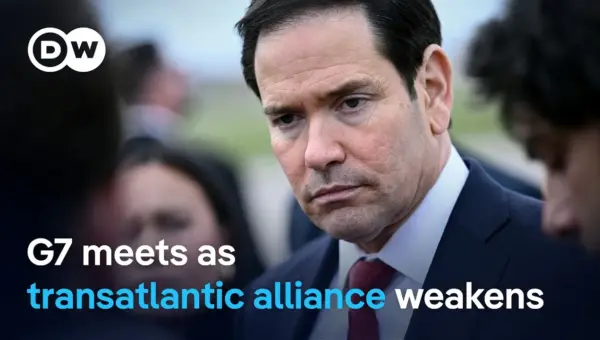
G7 Allies Clash Over Iran War Strategy, Urge Focus on Russia
G7 foreign ministers met in Paris, revealing deep divisions over the U.S. war with Iran. European allies urged the U.S. to pressure Russia, linking its actions to the conflict and fearing support for Ukraine will wane.
Ukraine’s New Strategy Cripples Russian Oil Exports
Ukraine's new multi-layered strategy is rapidly disabling Russia's oil export capabilities. By attacking loading facilities and working with allies to intercept the "shadow fleet," Ukraine is significantly reducing Russia's oil revenues, even amidst rising global energy prices.