China’s UN Power Grab: US Sounds Alarm on Influence
US Ambassador Mike Waltz warns that China is aggressively increasing its influence within the United Nations through funding and personnel. A new report details Beijing's strategy to place its citizens in key roles and shape UN outcomes, raising concerns about US tax dollar spending and the UN's impartiality.


China’s Growing UN Footprint Raises US Concerns
The United States is raising serious questions about China’s expanding role within the United Nations. US Ambassador to the UN, Mike Waltz, recently testified before Congress. He shared findings from a new report by the House Select Committee on the CCP. This report highlights how China is working to increase its power and influence inside the UN system.
Why Engage with the UN?
Lawmakers often hear from citizens asking why the US participates in the UN at all. The argument for engagement is simple: if the US doesn’t participate, other countries, like China, will shape global decisions without American input. Ambassador Waltz explained that the US must be present to have a voice. He also pointed out that China has been aggressively using its financial contributions to the UN to get what it wants. This includes demanding specific positions and influencing policies.
Concerns Over Spending and Duplication
During a hearing, Ambassador Waltz discussed how China is using its position at the UN to gain more influence. He also raised concerns about how US tax dollars are being spent within the organization. The report found that there wasn’t a clear way to track all the money. There was a lot of overlap between different UN agencies, meaning money was being spent on similar tasks multiple times. Some of the organizations the US contributes to, like the Pan-American Postal Union or the Tropical Timber Forest Association, are hard for everyday Americans to understand the value of.
Hypocrisy on Human Rights
A striking point Waltz made was the contradiction of China’s role in the UN Human Rights Council. China, a country with its own human rights issues, is part of a council meant to protect human rights. Yet, when regimes like Iran brutally suppress their own people on a massive scale, China remains silent. This silence, Waltz stated, shows a clear bias within the council. It’s hard to see how a body meant to uphold human rights can be effective when major players ignore severe violations.
Streamlining UN Agencies
The Ambassador also noted that many UN agencies seem to do similar jobs. For example, there are separate agencies for refugees and migrants, and another for food aid like the World Food Program. Waltz questioned if these agencies could be combined. He asked if they really needed separate offices, staff, and leadership. Combining them could save money and make the UN more efficient. However, he admitted that making such changes is difficult, much like reforming the US government itself.
China’s Systematic Strategy
The report from the House Select Committee on the CCP detailed China’s deliberate efforts to increase its sway at the UN. This strategy involves several key areas. Beijing is using its financial contributions to gain leverage. It is also placing Chinese officials in important positions throughout the UN system. Even at entry-level jobs and internships, China is pushing to have its citizens hired. This coordinated effort includes using financial aid, sending personnel for peacekeeping missions, and working with organizations linked to the Chinese government. China’s troop deployments in Africa and its growing financial contributions are all part of a plan to protect its economic and strategic interests and shape UN decisions.
Why This Matters
China’s increasing influence at the UN is significant for several reasons. It challenges the United States’ long-standing leadership in global affairs. If China shapes UN policies, it could lead to outcomes that benefit Beijing’s interests, potentially at the expense of democratic values or international stability. It also raises questions about the effectiveness and fairness of international organizations. When countries with poor human rights records gain influence in human rights bodies, it undermines the credibility of those institutions. Furthermore, the lack of transparency in UN spending, as highlighted by Ambassador Waltz, means American taxpayers may not be getting good value for their contributions.
Historical Context and Future Outlook
The United Nations was founded after World War II to promote peace and cooperation among nations. For decades, the US has been a leading force in shaping its agenda and funding. However, as China’s economic and military power has grown, so has its ambition to play a larger role on the world stage, including within the UN. This shift is part of a broader trend of rising global powers seeking to reshape international norms and institutions. The current situation suggests a growing competition for influence within the UN. The US is now actively working to counter China’s growing footprint. Future UN outcomes will likely depend on how effectively the US and its allies can advocate for their values and interests against China’s expanding influence. This struggle for influence could lead to changes in how the UN operates, how it is funded, and what issues it prioritizes in the years to come.
Source: US Ambassador Highlights China’s Growing UN Footprint (YouTube)

Related Articles
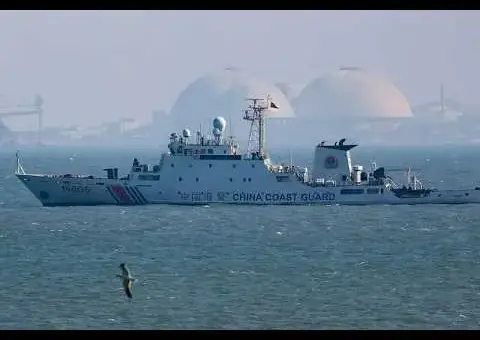
China Sends Old Jets Reborn as Drones Toward Taiwan
China has converted old J6 fighter jets into attack drones, deploying over 200 near Taiwan. These drones could overwhelm air defenses and present a costly challenge for Taiwan's interceptors. This move highlights evolving military tactics and regional tensions.
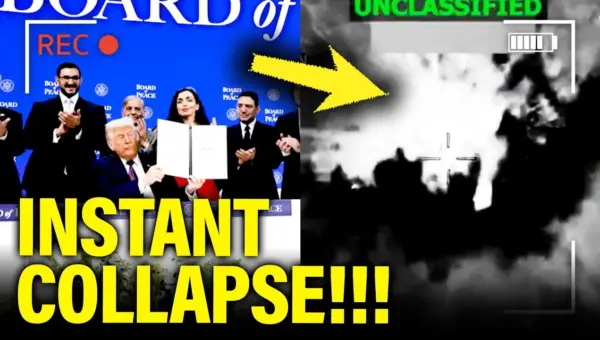
Trump’s ‘Board of Peace’ Crumbles Amidst Global Conflict
Donald Trump's 'Board of Peace,' launched with grand ambitions from Davos, faced immediate scrutiny over its $1 billion permanent membership fee. Despite attempts to secure ceasefires, the initiative appeared to falter as global conflicts, including strikes on Iran, escalated, leaving its intended purpose overshadowed.
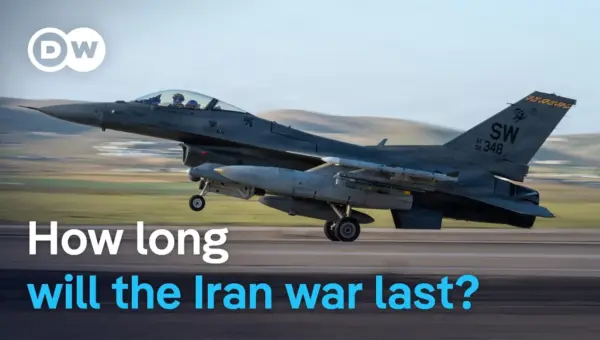
US Official Claims Iran War Could End Soon; Expert Skeptical
Despite US envoy Steve Woff's optimism about imminent talks and a swift end to the conflict with Iran, expert Aaron David Miller expresses significant doubt. Miller argues that a lack of shared urgency and fundamental miscalculations by the US administration make a quick resolution unlikely.