Russia Faces Protests Amid EU Aid Blockade
Russia faces growing internal protests over social media bans and local issues, while the EU is working to overcome obstacles blocking a 90 billion euro aid package for Ukraine. Moscow signals a shift to new energy markets.


Russia Faces Growing Domestic Unrest Amidst EU Aid Challenges
Russia is experiencing a rise in internal protests across various cities and rural areas. These demonstrations highlight public discontent over issues ranging from social media restrictions to local governance failures. Meanwhile, the European Union is navigating challenges in delivering a significant financial aid package to Ukraine.
EU Aid to Ukraine Faces Obstacles
The European Council decided in December on a 90 billion euro support loan for Ukraine. A key condition was that three specific countries would not participate in the loan. This condition has been met, yet the loan remains blocked. European officials stated that one leader is not upholding their commitment. Despite these hurdles, the EU leadership affirmed their determination to deliver the funds one way or another. They described the recent European Council meeting as strengthening their resolve.
Russia’s Energy Market Strategy
In response to the EU’s approach to energy, Russian officials commented that Europeans do not fully understand their actions. Russia intends to prioritize its own interests and benefits in the global energy market. They indicated a willingness to shift focus to new, growing markets that require energy resources like liquefied gas, oil, and petroleum products. If these alternative markets prove more attractive, Russia will orient its energy exports accordingly. This strategy is seen by some as Europeans acting against their own interests and potentially alienating their voters.
Internal Protests Grip Russia
Protests are increasingly frequent across Russia, covering a range of local grievances. In some cities, citizens are protesting the blocking of social media platforms. In rural areas, residents are demonstrating against authorities for issues like the culling of domestic animals. For example, in Murmansk, construction workers protested delayed wages. Reports indicate that police detained these workers, and their current whereabouts are unknown. Similarly, in the village of Kika, local authorities have reportedly continued to kill domestic animals despite prior promises to residents.
Allegations of Coercion and Fabrication in Occupied Territories
In the occupied territories, there are disturbing reports concerning alleged Ukrainian special services using individuals for acts of sabotage. One individual, identified as a resident of Mariupol, claims he was contacted by Ukrainian special services via Telegram. He stated he was tasked with reconnaissance and later with constructing an improvised explosive device. He described purchasing components from a hardware store and assembling the device according to instructions. The plan, he claims, was to detonate it near the city administration building. He expressed remorse and believes he was used as expendable, suggesting he would have died in the act. He urged others not to be misled by such offers.
Disturbing Tattoos and Propaganda
Russian state television has acknowledged that some occupying soldiers bear tattoos, including portraits of Hitler and neo-Nazi symbols. The context provided suggests this is part of a filtration process for identifying Nazi elements. However, a counter-narrative emerged suggesting that these symbols might not always carry deep ideological meaning. One account mentioned volunteers from 2014 who were allegedly undressed and labeled as Nazis, with their symbols dismissed as meaningless. Another anecdote described finding a portrait of Adolf Hitler on a staff officer, humorously noting its placement.
Civilian Casualties and Rescue Efforts
Heartbreaking footage from the Poltava region shows the aftermath of an attack where rescue efforts were underway. In the video, a rescuer attempts to revive a man, but sadly, he could not be saved. The scene depicts emergency responders working to provide aid before an ambulance arrives. The immediate aftermath shows efforts to stabilize the injured and provide medical supplies.
Strategic Implications
The internal protests in Russia, even over seemingly localized issues, indicate a growing undercurrent of public dissatisfaction. Such widespread discontent, if it escalates, could potentially strain resources and divert attention from state priorities. For Ukraine, the continued commitment from the EU, despite political obstacles, is crucial for its defense and economic stability. Russia’s pivot towards alternative energy markets highlights its strategy to maintain economic leverage and adapt to geopolitical pressures, potentially reshaping global energy flows.
What This Means on the Ground
For citizens in Russia, the protests signal a willingness to voice grievances, even in the face of potential repercussions. The alleged use of individuals in occupied territories for sabotage raises concerns about the tactics employed by all sides in the conflict. The EU’s perseverance in providing aid underscores the long-term commitment to Ukraine’s sovereignty. The ongoing conflict continues to have devastating consequences for civilians, as tragically illustrated by the rescue efforts in Poltava.
Historical Parallels
The situation in Ukraine echoes historical instances where external support has been vital for a nation’s survival against a larger aggressor. The internal dissent within Russia can be compared to periods in Soviet history where economic hardship and public discontent led to significant societal changes. The use of propaganda and the manipulation of symbols, as suggested by the tattoo reports, is a tactic seen throughout various conflicts, aiming to shape narratives and dehumanize opponents.
Source: Kremlin responded sharply to EU! Putin panicking, Russians recording furious appeals@TheBriefRight (YouTube)

Related Articles


Mass Protests Erupt as Trump Approval Plummets
Thousands of 'No Kings' rallies are scheduled nationwide, protesting perceived autocratic actions by Donald Trump. As Trump's approval ratings fall, concerns grow over his challenges to democratic norms and the rule of law.
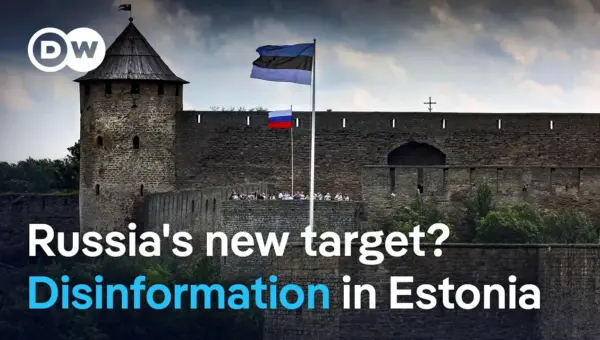
Russia Targets Estonia With Disinformation in Border City
Russia is reportedly conducting a disinformation campaign targeting Estonia's border city of Narva, aiming to sow discord among its Russian-speaking population. The online operation promotes separatist ideas, though residents largely dismiss the claims as fake. Estonian authorities view the campaign as a low-cost effort to undermine trust, with no concrete evidence of direct Russian government involvement.


Ukraine Eyes Missile Production Boost
CBS correspondent Eden Stretch reports on Ukraine's growing role in defense manufacturing, particularly missile systems. She also details the resilience of Ukrainian families through a harsh winter and discusses the evolving perception of Ukraine as a strategic partner rather than a drain on U.S. resources.