Iran War’s Economic Fallout: Flights, Gas Prices Soar
The ongoing war between the U.S. and Iran has entered its fourth week, causing oil prices to soar and impacting global markets. Consumers are facing higher gas prices and increased airfare as airlines grapple with rising fuel costs. Experts predict lasting economic damage to energy markets, with recovery potentially taking years.


War with Iran Enters Fourth Week, Economic Impact Mounts
The conflict between the U.S. and Iran has entered its fourth week, with significant military actions and a growing economic toll. U.S. Central Command Chief Admiral Brad Cooper reported that over 8,000 military targets in Iran have been struck since the war began. In a notable event, Iran attempted to hit a joint U.S.-UK military base in the Indian Ocean with two ballistic missiles, marking its first operational use of such weapons and a significant reach beyond the Middle East. The missiles, however, did not reach their target.
Global Oil Prices Spike Amidst Conflict
The ongoing war has caused oil prices worldwide to skyrocket. The Trump administration is working to manage the economic fallout, including temporarily lifting sanctions on Iranian oil at sea to allow its sale. This move, however, allows Iran to generate revenue that could fund further conflict. President Trump is also urging NATO allies to help secure the Strait of Hormuz, escalating his rhetoric by calling NATO a “paper tiger” and allies “cowards.” Meanwhile, the Pentagon is reportedly seeking an additional $200 billion in funding, adding to the uncertainty surrounding the conflict’s end.
Economic Repercussions for Consumers and Businesses
The impact of the war is directly affecting consumers and businesses. National gas prices are nearing $4 a gallon, a significant increase from previous months. Airline CEOs are warning of substantial financial hits, with companies like Delta expecting to lose $400 million this quarter due to soaring jet fuel costs. The CEO of United Airlines anticipates oil prices could remain above $100 a barrel until late 2027. These rising energy costs are forcing airlines to increase ticket prices, impacting vacation budgets as travel season approaches.
Market Volatility and Long-Term Energy Concerns
The U.S. stock market has also felt the pressure, with major indexes like the S&P 500, Dow, and Nasdaq all showing losses for the week and erasing their 2026 gains. Experts predict the economic damage to energy markets will be measured in months, if not years. The CEO of Qatar Energy stated that shipments from the world’s largest LNG export terminal could be delayed for up to five years. Attacks on refineries in Saudi Arabia, Kuwait, and the UAE will require billions in repairs and will weigh on the market for an extended period. Even if a ceasefire were to be negotiated, the damage to oil production facilities and export infrastructure means a return to normal oil traffic could take years.
Strategic Petroleum Reserve and Market Reactions
While the U.S. has released oil from its Strategic Petroleum Reserve, analysts suggest this is unlikely to significantly lower prices. The market is primarily focused on the movement of oil out of the Persian Gulf. The temporary lifting of sanctions on Iranian oil, while a small part of the global market, provides crucial revenue for Iran. This situation draws comparisons to past policies, with concerns that funds generated could be used to rebuild military capabilities damaged during the conflict.
Geopolitical Uncertainty and Future Outlook
The war raises questions about long-term strategy and political solutions. The U.S. military objectives include destroying Iran’s ballistic missile program, nuclear program, and its ability to project power through militias. However, the lack of a clear plan for a transitional government or a post-conflict political solution leaves uncertainty. Allies in the region are reportedly growing impatient with the ongoing conflict and its economic consequences. The Federal Reserve faces a difficult choice: cutting rates risks further inflation, while raising rates could trigger a recession.
What’s Next?
As the conflict continues, all eyes will be on diplomatic efforts, further military actions, and the U.S. administration’s evolving economic policies. The long-term effects on global energy markets and consumer prices will likely unfold over the coming months and years, demanding careful monitoring by economists, policymakers, and the public alike.
Source: Economic toll of Iran war: “If you’re looking to book flights, it’s going to bite into your budget" (YouTube)

Related Articles
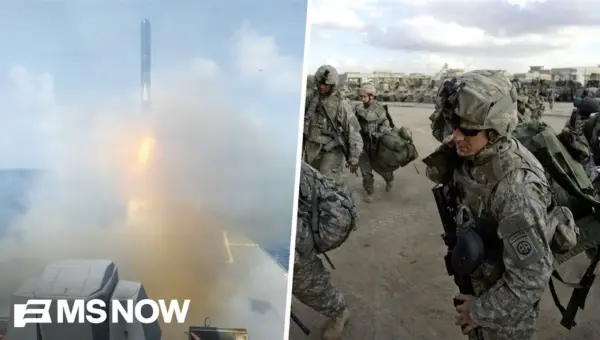
Iran Missile Strikes Injure US Troops, Raise War Concerns
Iranian missile strikes have injured U.S. service members, escalating tensions as the conflict nears one month. The attacks are raising concerns about the effectiveness of U.S. military strategy and the depletion of crucial missile stockpiles. Global oil prices have surged, impacting economies worldwide.


Americans Rally for Democracy Amidst War and Economic Woes
Thousands of Americans are participating in "No Kings" rallies nationwide, demanding accountability from leaders and drawing parallels to historical movements that spurred significant change. The protests occur amidst a controversial war with Iran, economic uncertainty, and a partial government shutdown. Organizers emphasize solidarity, joy, and the power of collective action in defending democracy.
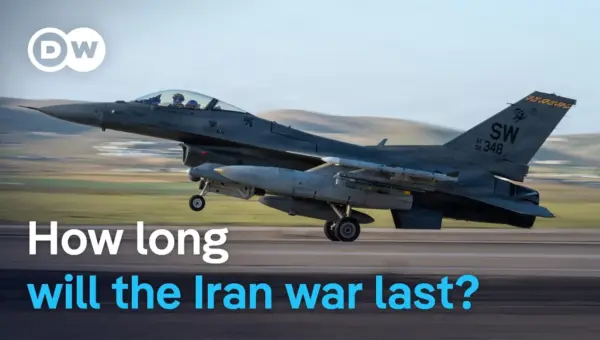
US Official Claims Iran War Could End Soon; Expert Skeptical
Despite US envoy Steve Woff's optimism about imminent talks and a swift end to the conflict with Iran, expert Aaron David Miller expresses significant doubt. Miller argues that a lack of shared urgency and fundamental miscalculations by the US administration make a quick resolution unlikely.