Trump’s Cruel Words Mock War Hero’s Death
Donald Trump's shocking comments celebrating the death of former FBI Director Robert Mueller have drawn sharp criticism. A former prosecutor and mentee of Mueller, Glenn Kirschner, condemned the remarks as "inhumane" and highlighted Mueller's distinguished service as a war hero and FBI Director. The incident reignites debates about political rhetoric and accountability.

Trump’s Cruel Words Mock War Hero’s Death
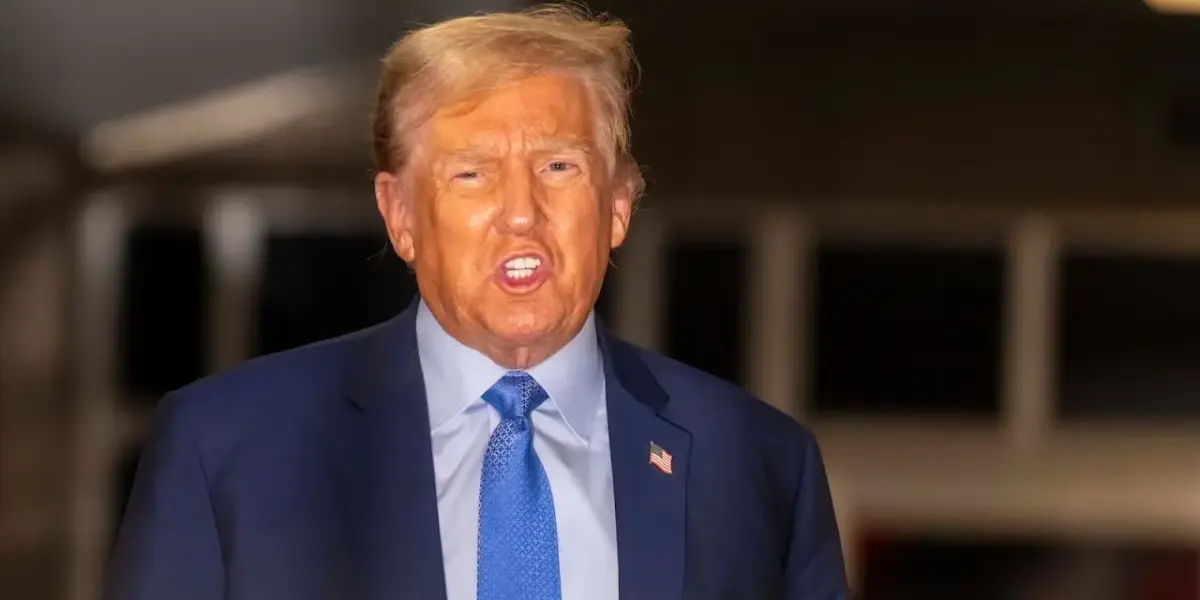
Donald Trump recently made shocking public comments about the death of Robert Mueller, a former FBI Director and decorated war hero. Trump stated, “Robert Mueller just died. Good. I’m glad he’s dead. He can no longer hurt innocent people.” These words have drawn sharp criticism from many, including former federal prosecutor Glenn Kirschner.
A Prosecutor’s Reaction
Kirschner, who worked under Mueller and considers him a mentor, called Trump’s statement “indecent and vulgar and disqualifying.” He expressed a strong belief that Trump is unfit to be president. Kirschner highlighted Mueller’s distinguished service, calling him an “American hero.” Mueller served as a highly decorated Marine in the Vietnam War, earning numerous medals for bravery. He was injured in combat and returned to his unit after treatment, showing incredible dedication.
Mueller’s Public Service
Beyond his military service, Mueller took over as FBI Director just one week before the September 11th attacks. Kirschner noted that Mueller transformed the FBI into a global counterterrorism force during a critical time for national security. He also shared personal memories of Mueller’s dedication as a prosecutor in Washington D.C. Mueller was known for his meticulous and aggressive investigative style, even when he preferred to work as a street-level prosecutor rather than in leadership roles.
The Mueller Report and Its Aftermath
Kirschner explained that Mueller’s investigative skills were evident during the Trump-Russia investigation. The resulting Mueller Report detailed over 140 contacts between the Trump campaign and Russian individuals. More significantly, Volume 2 of the report laid out evidence of as many as 10 felony obstruction of justice crimes by Donald Trump. Kirschner believed Mueller expected Congress to take action, similar to the impeachment of Richard Nixon.
However, the report was delivered to Congress, and no impeachment proceedings followed. Kirschner also expressed disappointment that Trump was not prosecuted for obstruction of justice after leaving office, suggesting that Attorney General Merrick Garland lacked the appetite for such a case. Kirschner feels Trump’s comments about Mueller’s death are not just indecent but inhumane, especially given Mueller’s service to the country.
A Pattern of Behavior
Kirschner argued that Trump’s reaction to Mueller’s death is not a new low but rather a consistent pattern of behavior. He pointed to a previous incident where Trump posted on social media about the death of Rob Reiner, attributing it to “Trump Derangement Syndrome.” Kirschner described Trump as a “sadist” and a “malignant narcissist” who enjoys the suffering of others and lacks empathy.
He questioned how Republican members of Congress can continue to support Trump if they do not actively oppose his statements and actions, suggesting their silence amounts to an endorsement. Kirschner reiterated that Trump’s behavior consistently reflects a deep contempt for others.
The Reality of the Mueller Investigation
Kirschner emphasized that the Trump-Russia investigation was not a “witch hunt.” He stated that the investigation resulted in legitimate convictions and guilty pleas from 34 individuals and three companies. Key figures from Trump’s inner circle, including Paul Manafort, Rick Gates, Michael Flynn, George Papadopoulos, Roger Stone, and Michael Cohen, were all implicated or convicted as a result of the investigation.
Historical Context and Personal Reflection
Kirschner shared a personal anecdote from when Mueller took over as FBI Director just before 9/11. He recalled introducing Mueller to his colleagues at the U.S. Attorney’s Office, finding great comfort in knowing Mueller was leading the FBI during such a perilous time for the nation. Mueller served as FBI Director longer than anyone except J. Edgar Hoover, solidifying his legacy as a dedicated public servant.
Kirschner concluded by expressing sorrow for his personal loss and gratitude for the opportunity to honor Mueller’s memory. He stated that while the President of the United States is incapable of offering a proper obituary or comforting words, he was able to provide a fitting tribute to a man he deeply respected. The segment ended with a call for viewers to subscribe to their channels for more legal news.
Why This Matters
This incident highlights a stark contrast between public service and political rhetoric. Donald Trump’s comments about Robert Mueller’s death are seen by many as a profound lack of respect for a decorated war hero and a former head of the FBI. It raises questions about the standards of decency and empathy expected from public figures, particularly those who have held or aspire to hold the highest office in the land. The incident also underscores the ongoing debate about accountability for actions investigated by the Mueller probe and the deep political divisions within the United States.
Implications and Future Outlook
Trump’s public statements, especially those made during times of mourning, can set a tone for political discourse. Critics argue that such behavior normalizes cruelty and disrespect, potentially influencing how citizens interact with each other. The reaction to Trump’s comments also shows how deeply divided the country remains regarding his past actions and his fitness for office. Moving forward, the legacy of Robert Mueller as a public servant will likely be contrasted with the criticisms leveled against him by political opponents, shaping how his contributions are remembered.
Source: Prosecutor DESTROYS Trump after he cheered Mueller’s death (YouTube)

Related Articles
Polls Spell Doom: Republicans Face Voter Backlash
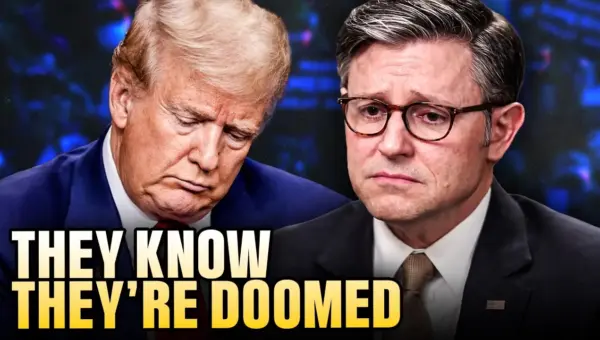
New polling data reveals a sharp decline in public confidence regarding the economic impact of Republican policies, particularly under Donald Trump. A significant majority now feel financially worse off, a trend that is especially pronounced among independent voters. This economic discontent poses a major challenge for the Republican party heading into future elections.

Trump Delays Iran Strike Deadline Amidst Shifting Diplomacy
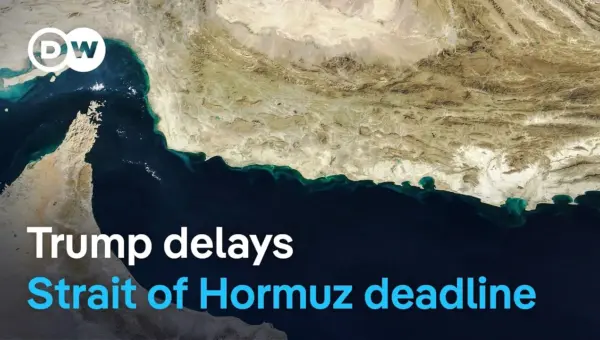
President Donald Trump has extended his deadline for potential strikes on Iranian energy plants to April 6th, amid reports of U.S.-Iran diplomatic talks mediated by Pakistan. This move comes as Israel continues its strikes on Iran and the U.S. deploys additional military assets to the region. Analysts point to mixed signals, economic pressures, and strategic miscalculations as key factors shaping the evolving situation.
Iran War Claims Ring Hollow as US Troops Injured in New Attack
Days after Donald Trump claimed "we've won" the war with Iran, a new attack injured approximately a dozen U.S. troops and damaged aircraft. This incident contradicts Trump's assertions of victory and raises serious questions about the strategy and reality of the ongoing conflict.