Union Boss Shifts Right, Seeks Bipartisan Policy Wins
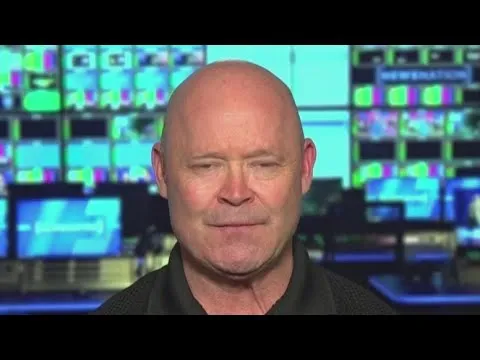
Teamsters president Sean O'Brien explains his union's strategic move to engage with the Trump administration, prioritizing member interests and bipartisan policy wins. This approach challenges traditional labor alignment and seeks practical results on issues like job protection and border security.

Union Boss Shifts Right, Seeks Bipartisan Policy Wins
Sean O’Brien, the president of the Teamsters union, has made a significant move by aligning more closely with Republicans. This decision, he explains, was a practical choice based on his members’ needs. He believes that working across party lines, even with those he has publicly disagreed with, is the best way to achieve results for working families.
Bridging Divides for Worker Gains
O’Brien described his relationship with President Trump as a friendship that grew from initial disagreements. He emphasized that despite sharp exchanges and public criticism, both men realized they were stronger working together for the country. This approach, he feels, shows that people can debate and disagree but still find solutions. His loyalty to friends, he stated, extends to supporting them through tough times.
He also highlighted his decision to speak at the Republican National Convention. This move, he acknowledged, drew criticism from many Democrats and other union leaders. However, O’Brien saw it as an opportunity to gain a seat at the table with the Trump administration. He wanted to influence labor policy and be part of the solution, not part of the problem.
Member-Driven Strategy
The union’s shift was not sudden. O’Brien explained that two years before the election, he and his team surveyed their members. They found that about 65% of Teamster members were voting Republican, while 35% leaned Democrat or independent. This data showed him he had an obligation to represent everyone’s interests, not just one party’s.
Because of this, the leadership team decided not to endorse a specific presidential candidate. Their main goal was to ensure they had a voice in policy discussions, no matter who was in power. O’Brien stated clearly, “My best interest is what’s in the best interests of my members.”
Policy Wins for Teamsters
O’Brien pointed to several achievements resulting from this strategy. For the 100,000 members working in the rail industry, new policies have been put in place. These policies aim to protect their jobs and enforce safety measures. The union has also worked with the Labor Department and OSHA on policies designed to protect American workers.
Furthermore, the Teamsters have supported bringing manufacturing back to the United States. O’Brien believes this will create more middle-class jobs. He mentioned that tariffs and mass deportations are two issues he hears about most from working-class Americans who feel this administration represents them.
Focus on Border Security and Immigration
Regarding border security, O’Brien stressed its importance. He stated that safe borders are paramount. He believes people should come to the country legally and follow the proper process to become Americans. He expressed concern about people crossing borders to traffic children, sell drugs, or commit violent crimes.
He voiced support for Mark Wayne Mullen, the nominee for Secretary of Homeland Security. O’Brien noted that Mullen testified at a hearing, admitting he might not be the smartest but is a hard worker committed to finding solutions. O’Brien feels this is what is needed to fix the country’s broken immigration system.
A New Model for Labor Relations?
O’Brien’s approach represents a departure from traditional union politics, which often lean heavily Democratic. By engaging directly with a Republican administration and seeking policy wins based on member surveys, he is carving out a unique path. This strategy prioritizes practical outcomes over partisan loyalty. It suggests a potential model for other unions looking to navigate a divided political landscape and ensure their members’ concerns are addressed by whoever holds power.
Global Impact
This realignment within a major union could have broader implications for American politics and labor relations. It challenges the assumption that unions will always align with the Democratic Party. If successful, it might encourage more unions to adopt a pragmatic, results-oriented approach. This could lead to more bipartisan cooperation on labor issues. However, it also risks alienating traditional allies within the Democratic Party and potentially dividing union membership.
Historical Context
Historically, major labor unions like the Teamsters have been key pillars of the Democratic Party coalition. They have often played a significant role in advocating for worker protections through legislation and political endorsements. The current shift by O’Brien echoes earlier periods where labor movements sometimes found common ground with different political factions to advance specific goals. However, the explicit focus on member voting patterns and direct engagement with a Republican administration marks a notable evolution.
Economic Leverage
The Teamsters’ influence stems from its large membership, representing workers in crucial sectors like transportation and logistics. By securing a seat at the table with the Trump administration, O’Brien aimed to influence trade policies, such as tariffs, and domestic manufacturing initiatives. These economic factors directly impact job security and wages for his members. The union’s ability to shape labor policy, safety regulations, and manufacturing incentives represents a form of economic leverage that can benefit its rank and file.
Future Scenarios
One future scenario sees this bipartisan approach yielding consistent policy wins for the Teamsters, encouraging other unions to follow suit. This could lead to a more fragmented labor movement politically but potentially more effective on specific issues. Another scenario is that this alignment alienates the Democratic Party, leading to backlash and internal union division, ultimately limiting its long-term success. A third possibility is that the effectiveness of this strategy depends heavily on the specific administration in power, making it a tactical, rather than a permanent, shift.
Source: Title: Teamsters president: Realignment with Right two years ago 'bold' but necessary | Batya! (YouTube)

Related Articles

Chicago Teachers Detail Trump Crackdown’s Toll on Kids
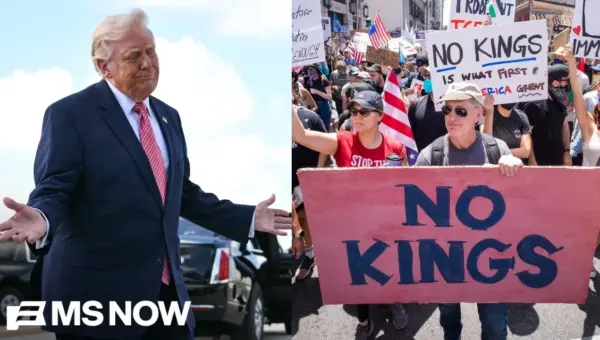
Chicago first-grade teacher Maria Hevener shared harrowing accounts of how President Trump's immigration crackdown is fueling anxiety and trauma in her young students. Incidents like federal agents deploying tear gas near an elementary school have left children fearful, impacting their mental health and ability to learn. Hevener is advocating for safer, better-funded schools, emphasizing that students need security and basic needs met to succeed.

DOJ Official’s Remarks Spark Outrage Over Political Allegations
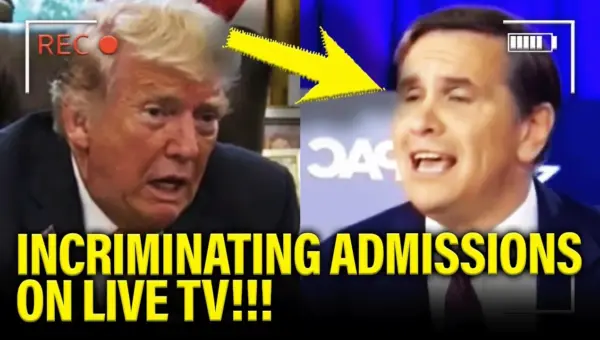
A top Trump DOJ official's speech at CPAC has sparked controversy, with claims of incriminating admissions regarding fears of prosecution and alleged political motivations. The remarks have raised serious questions about impartiality within the Department of Justice.

Trump’s Iran War Plans Criticized Amid Border Funding Standoff
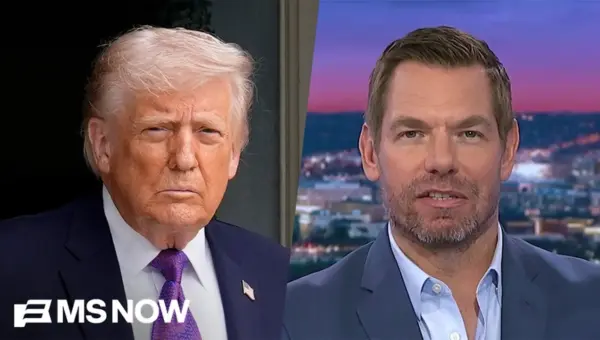
Lawmakers and analysts are criticizing the Trump administration's handling of the Iran conflict and its approach to border funding, arguing that a lack of clear planning and a focus on political battles are making the U.S. less safe. Concerns are particularly high regarding the FBI's priorities and the potential impact of these issues on national security.