China’s Vietnam Visit Signals Xi’s Growing Regional Worries
China's unusual '3+3' ministerial visit to Vietnam signals deep concerns over regional security and potential geopolitical pressures. While Beijing seeks coordination, Vietnam carefully balances its interests with international law and strategic caution.

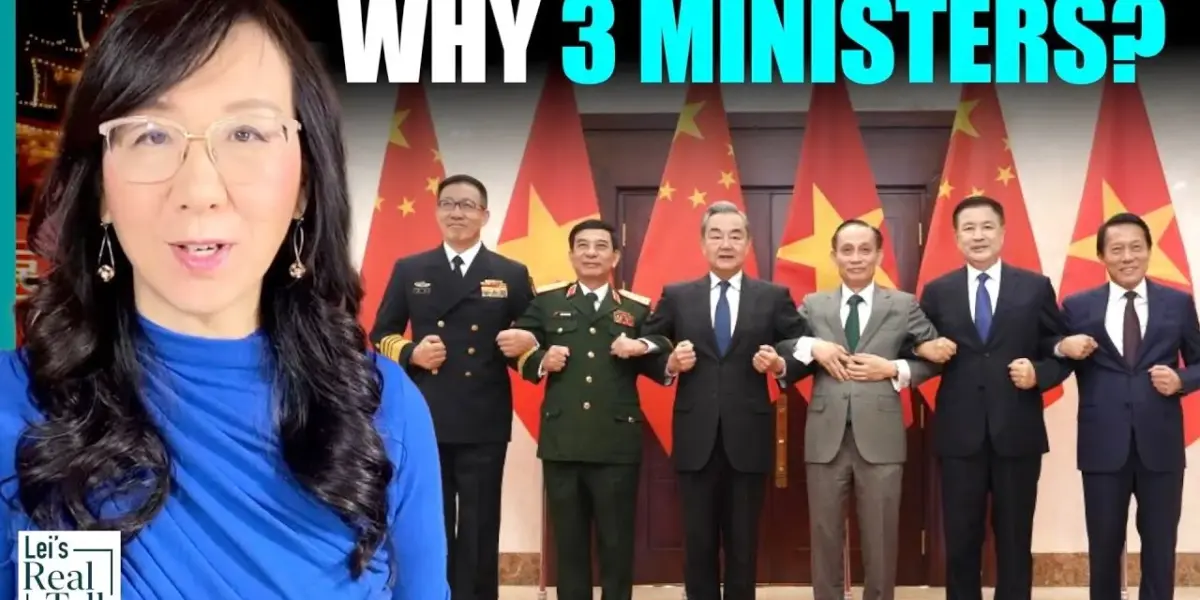
China’s Vietnam Visit Signals Xi’s Growing Regional Worries
China recently sent three of its top ministers—Foreign Affairs, Public Security, and Defense—to Vietnam for an unusual joint meeting. This rare gathering, dubbed a “3+3” meeting, is more than just a friendly diplomatic exchange. It suggests Beijing is trying to achieve several important goals, especially as regional tensions rise and China faces increasing global pressure.
A Show of Strength and Concern
The simultaneous visit of these high-ranking officials is not typical. It sends a strong message to Vietnam and the wider region. China wants to discuss critical issues like the South China Sea, security cooperation, and its own place in a changing world. This move could be a way for China to assert its influence and coordinate strategies with a neighboring country that shares a long border.
South China Sea Tensions
One major topic likely discussed was the ongoing dispute over the South China Sea. China claims vast areas of this vital waterway, which conflicts with the claims of Vietnam and several other nations. These meetings could be an attempt by China to secure Vietnam’s understanding, if not its full support, on this sensitive issue. Beijing might be looking for ways to manage the conflict or prevent it from escalating further, especially as other countries increase their naval presence.
Regional Security and Geopolitics
Beyond the South China Sea, China is likely seeking broader security coordination. As global powers, particularly the United States, strengthen alliances in Asia, China feels a growing need to ensure its own security. By engaging Vietnam, China might be trying to build a more unified front against what it sees as external interference. This could also be a way to signal to other nations that China is actively working to maintain stability in its backyard.
Speculation About Backup Plans
Some analysts wonder if this unusual diplomatic push is part of a larger strategy by Chinese leader Xi Jinping. Could China be quietly preparing for potential problems or instability in its southern regions? While unlikely, the presence of the Public Security minister suggests a focus on internal stability and border control. This could hint at concerns about potential spillover effects from regional conflicts or economic challenges.
Vietnam’s Strategic Balancing Act
Vietnam, however, is known for its careful and strategic foreign policy. The country aims to maintain good relations with all major powers, including both China and the United States. While Vietnam may seek cooperation with China on certain issues, it also strongly relies on international law to protect its interests, especially in the South China Sea. Hanoi is unlikely to fully align with Beijing if it means compromising its own sovereignty or its international standing. Vietnam is likely using this engagement to assert its own interests and maintain its strategic independence.
Why This Matters
This high-level meeting highlights the complex geopolitical dynamics at play in Southeast Asia. China’s assertive diplomatic moves reflect its concerns about regional stability and its international standing. It also shows how smaller nations like Vietnam are navigating a world increasingly shaped by great power competition. The outcome of these discussions could influence trade routes, security arrangements, and economic development across the region for years to come.
Historical Context
China and Vietnam share a long and often complicated history, including a border war in 1979. Despite past conflicts, they are now major trading partners. This history means that both countries approach their relationship with a degree of caution. Vietnam remembers past struggles for independence and is wary of becoming too dependent on China. China, on the other hand, views Vietnam as a crucial neighbor and a key player in its regional strategy.
Trends and Future Outlook
The “3+3” meeting is a clear sign of a trend: major powers are increasingly using diplomacy to manage complex security challenges. As China faces more international scrutiny, it is likely to continue seeking stronger ties with its neighbors. Vietnam and other Southeast Asian nations will likely continue their balancing act, seeking economic benefits while safeguarding their autonomy. The future will likely see more such strategic engagements, as countries try to secure their interests in a rapidly changing global environment. The level of cooperation, or lack thereof, will shape the future security and economic landscape of the region.
Source: Xi's Backup Plan? China’s Unusual Vietnam Move Explained (YouTube)

Related Articles
China Fights Back: Tariffs Loom Ahead of Trump Visit
China is retaliating against US trade investigations that could lead to higher tariffs. This escalating trade tension occurs just before a planned visit by President Trump. The dispute involves accusations of unfair practices and impacts global supply chains.


Israelis Forge Resilience Amidst Constant Bomb Shelter Drills
Life in Israel is a blend of resilience and constant vigilance, with many families adapting to frequent bomb shelter drills and even sleeping in makeshift shelters. Despite ongoing missile attacks, Israelis strive to maintain normalcy, though businesses face disruption and emotional fatigue is a growing concern.


Israel Escalates Iran Strikes, Warns of Wider War
Israel has launched significant strikes inside Iran following continued missile fire, warning of further escalation. The conflict risks wider regional instability and economic disruption, especially concerning the Strait of Hormuz.