Middle East Nuclear Sites Hit Amid Iran Conflict
Nuclear sites in the Middle East have become targets amid an escalating conflict involving Iran. Following an Iranian missile strike on an Israeli nuclear facility, Iran claims retaliation for a U.S. attack on its own uranium enrichment base. The International Atomic Energy Agency is calling for restraint to prevent a nuclear accident.

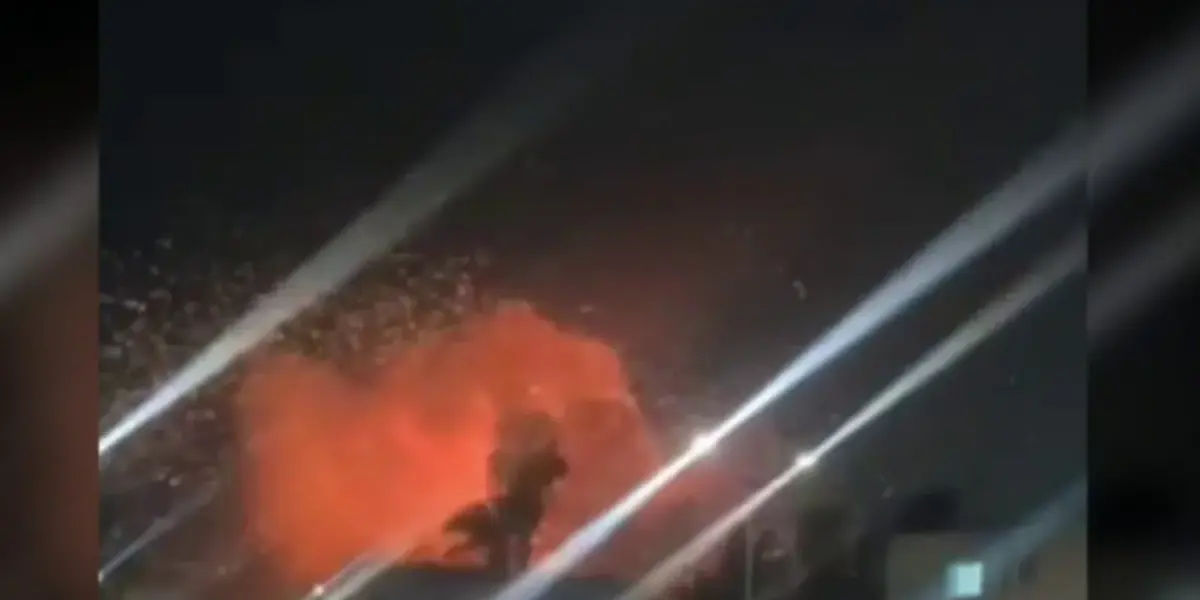
Nuclear Sites Targeted Amid Escalating Middle East Conflict
A dangerous cycle of attacks is unfolding across the Middle East, with nuclear sites becoming targets in the ongoing conflict involving Iran. This escalation has raised serious concerns about regional stability and the potential for a nuclear accident.
Iran Strikes Israeli Nuclear Site
In a significant development, an Iranian missile struck the Israeli town of Dimona. This town is known to be home to Israel’s nuclear weapons program, which the country has never officially acknowledged. Reports indicate that more than 30 people were injured in the attack.
The strike on Dimona followed a ballistic missile attack on another Israeli city, which caused a mass casualty event. While authorities reported no damage at the Dimona nuclear facility itself, the attack highlights the increasing boldness of Iran’s actions.
Iran Claims Retaliation for U.S. Attack
Iranian state media stated that the missile strike on Dimona was in direct response to an earlier attack on their own nuclear base. This Iranian base, a key facility for uranium enrichment, was reportedly targeted by the U.S. last year using B-2 bombers.
Iran has asserted that there are no signs of a radioactive leak from their attacked nuclear facility. However, the International Atomic Energy Agency (IAEA) has called for military restraint from all parties involved. The agency stressed the urgent need to avoid any actions that could risk a nuclear accident.
U.S. Central Command Comments on Iran’s Capabilities
U.S. Central Command has not confirmed whether American forces were responsible for the attack on the Iranian nuclear base. However, the commander provided an update on the broader conflict.
“Iran has lost significant combat capability the last three weeks, and we remain zeroed in on dismantling Iran’s decade’s old threat to the free flow of commerce throughout the Strait of Hormuz.”
This statement suggests a continued focus on disrupting Iran’s military power and its influence over a vital global shipping route.
U.S. Mourns Fallen Service Members
The conflict has also hit home in the United States, with funerals being held for 13 service members killed in the war. Among those honored was Major Cody Khork, who was laid to rest in Central Florida.
A speaker at Major Khork’s funeral remarked on his sacrifice. “His memory will be forever cherished by those who loved him and by the nation he proudly served.” These losses underscore the human cost of the ongoing hostilities.
Displacement and Humanitarian Concerns in Lebanon
As the end of Ramadan approaches, the focus also turns to the humanitarian impact of the war. In Lebanon, approximately 1 million people have been displaced due to Israel’s expanding offensive against Hezbollah.
Areas that were once bustling restaurants are now makeshift camps for families forced to flee their homes. These displaced individuals, many from South Lebanon, face an uncertain future. One young girl shared her longing for home, saying, “I really miss home because I had nice toys and used to play with them.” It remains unclear when, or if, these families will be able to return to their villages.
Iran’s Long-Range Missile Claim Questioned
Further complicating the situation, Iran reportedly targeted a U.S.-UK joint military base in the Indian Ocean. This base is located about 2,500 miles from Iran.
Many experts initially doubted Iran’s ability to possess weapons with such an extensive range. The reported attack ultimately failed, with none of the projectiles reaching their intended target. The extent of Iran’s long-range missile capabilities remains a subject of intense scrutiny.
Looking Ahead
The escalating attacks on nuclear facilities and military bases across the Middle East signal a dangerous new phase in the conflict. The international community watches closely, urging de-escalation and restraint to prevent further catastrophe. The coming weeks will be critical in determining whether diplomacy can prevail over military action and avert a wider regional war.
Source: Nuclear sites targeted across Middle East amid war with Iran (YouTube)

Related Articles

US Strikes Cripple Iran’s Military Might, CENTCOM Reports
U.S. Central Command reports ongoing strikes inside Iran are significantly weakening its military power. This direct action aims to reshape regional security dynamics, but carries risks of escalation. The long-term impact depends on Iran's response and ability to adapt.


Iran Targets US With Cyberattacks, Escalating Digital Warfare
Iran is increasingly using cyberattacks to challenge the U.S., as seen in a recent hack of the FBI director's account. Experts say this is a strategic shift due to Iran's limitations in conventional warfare. The U.S. needs to strengthen its digital defenses, focusing on encryption and cloud computing, rather than solely relying on traditional security measures.


Iran Hacks FBI Chief, Exposing U.S. Cyber Vulnerabilities
A recent hack of FBI Director Kash Patel's personal email by an Iran-linked group highlights Iran's growing cyber threat to the U.S. Experts explain how simple security oversights are exploited, emphasizing the need for basic defenses like two-factor authentication to protect against propaganda and potential infrastructure attacks.