Top Intel Official Quits, Exposing Trump’s Iran Policy Failure
Top counterterrorism official Joe Kent resigned in protest of Donald Trump's Iran policy, stating Iran was not the threat Trump claimed. His departure exposes internal government disagreements and questions the administration's aggressive stance.

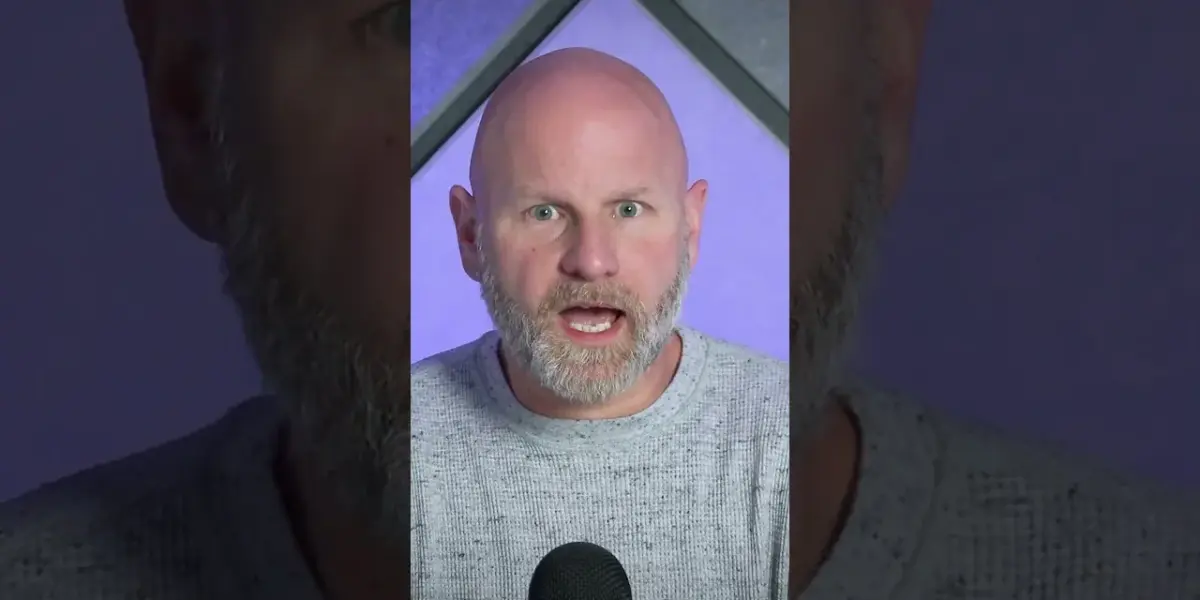
Top Intel Official Quits, Exposing Trump’s Iran Policy Failure
Joe Kent, the former director of the National Counterterrorism Agency, resigned suddenly this week. His departure was a protest against Donald Trump’s aggressive stance toward Iran. This unexpected move has shaken Trump’s administration, highlighting deep divisions within the government.
The administration quickly attacked Kent after his resignation. They tried to discredit him, but Kent has significant experience. He served 11 combat tours in the Middle East. This background gives him credibility, especially when compared to many others in the administration.
Trump’s Reaction and Kent’s Stance
When asked about Kent’s resignation, Donald Trump was meeting with the Irish prime minister. Trump called Kent “weak on security.” He added that it was good Kent was gone, though he claimed he didn’t know him well. However, Kent’s resignation letter revealed his core concern: he believes Trump’s war-like actions against Iran were misguided. Kent stated that Iran was not the immediate threat Trump’s administration claimed it to be.
Kent, as the head of counterterrorism, had access to top intelligence. His assessment, shared by other military officials, was that Iran did not pose an urgent threat to the United States. This directly contradicts the claims made by Trump and some Republican senators. They insisted Iran was an immediate danger.
Shifting Views on the Iran Threat
While some Republicans continue to push the narrative of Iran as an immediate threat, many others have softened their stance. Even some senators now admit that Iran was likely not close to developing nuclear weapons. They also acknowledge that even if Iran had nuclear weapons, it wouldn’t automatically mean a direct threat to the U.S.
Trump’s public reaction to Kent’s resignation was relatively mild compared to others in his administration. For example, Caroline Levit made similar claims to those often repeated by Democrats and some media outlets. These claims seem to be part of a broader political debate about how to handle Iran.
Why This Matters
Kent’s resignation is significant because it reveals internal dissent within the national security apparatus regarding Trump’s foreign policy. It suggests that even those with deep military and intelligence experience may disagree with the President’s approach. This kind of internal conflict can weaken a government’s ability to respond effectively to complex international issues.
The dispute over the threat posed by Iran highlights the challenges of making foreign policy decisions. Intelligence assessments can be interpreted in different ways, and political considerations often play a large role. Kent’s departure forces a public discussion about whether the U.S. was being led by accurate intelligence or by political agendas.
Historical Context and Future Outlook
Tensions between the U.S. and Iran have a long history, dating back to the 1979 Iranian Revolution. U.S. policy has often involved a mix of sanctions, diplomatic pressure, and military posturing. Trump’s administration took a particularly hard line, withdrawing from the Iran nuclear deal in 2018 and increasing sanctions.
Kent’s resignation suggests that this hard-line approach may be creating internal friction. It raises questions about the long-term effectiveness of such policies. Will future administrations continue to rely on aggressive tactics, or will they seek more diplomatic solutions? The debate over how to counter Iran’s influence will likely continue, with figures like Kent playing a role in shaping public and official opinion.
The incident also points to a broader trend of experienced officials speaking out against government policies they disagree with. This can happen when there’s a significant gap between official rhetoric and the reality on the ground, as perceived by those directly involved in national security.
Moving forward, the U.S. approach to Iran will be closely watched. The ability of the administration to maintain a united front on foreign policy, especially concerning a volatile region, is crucial. Kent’s protest serves as a stark reminder that policy decisions, particularly those involving potential conflict, must be carefully considered and supported by credible intelligence.
Source: This hurt Trump! (YouTube)

Related Articles

US Must Block China’s Tech Access for Security
US national security experts are raising alarms about China's access to advanced AI chips, arguing it threatens strategic advantages. This, coupled with charges against Chinese entities for fentanyl precursor sales and a ban on foreign routers, signals a growing effort to prioritize security over business ties.
Rubio: US Can Achieve Iran War Goals Without Troops
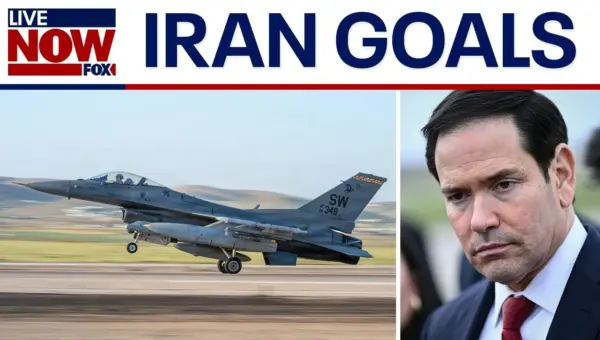
Senator Marco Rubio outlined a strategy to counter Iran without deploying U.S. ground troops, focusing on weakening the regime and enhancing maritime security. He also criticized Cuba's economic system and expressed concerns about West Bank violence.
Trump’s “Walk Away” Tactic Signals Tougher Stance on China
Retired Air Force Brigadier General David Stillwell believes President Trump's strategy of being willing to walk away from negotiations puts pressure on China. This tactic, combined with US global actions and strengthened alliances, signals a more assertive American foreign policy.