Moore’s Miracle Shot No Good in OT Thriller!
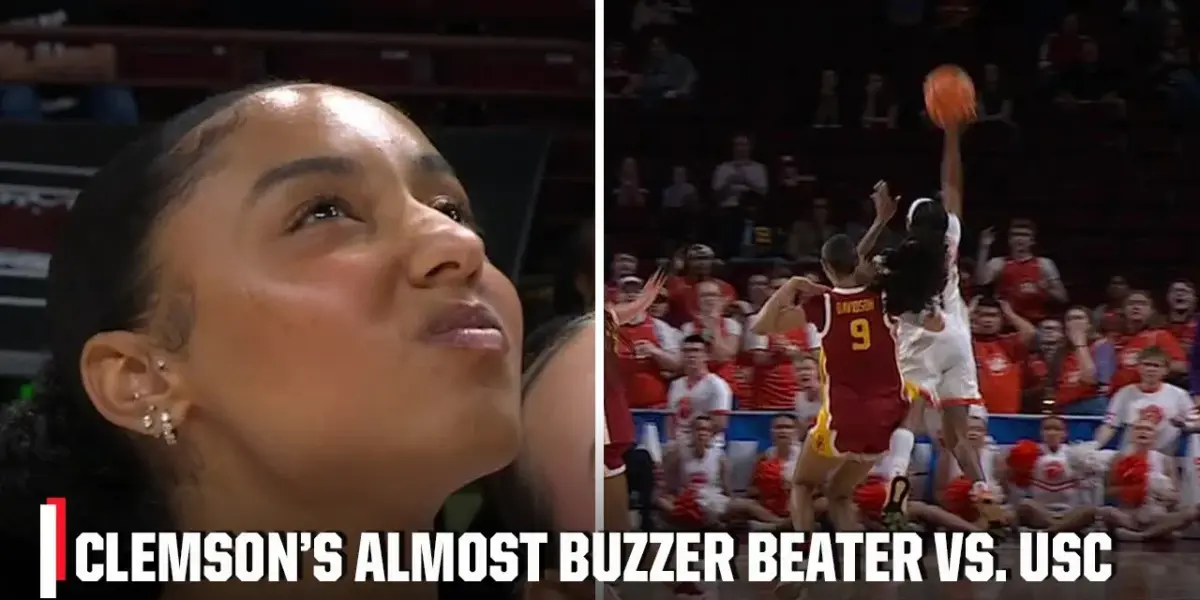
Mia Moore hit a dramatic buzzer-beater for Clemson against USC, but a controversial foul call after the release meant the shot didn't count. The game went to overtime after officials reviewed the final seconds.

Moore’s Miracle Shot No Good in OT Thriller!
The roar of the crowd fell silent, then erupted in confusion. Mia Moore of Clemson had just hit an incredible shot, a buzzer-beater that looked like it would send her team to overtime against USC. But in the frantic final seconds, a crucial call would decide everything, sending the game into an extra period instead of a stunning victory.
With just 4.4 seconds left on the clock, Clemson needed to go the length of the court. The ball found Mia Moore, who launched a shot just as time expired. The ball swished through the net, and for a moment, it seemed like magic had happened. The crowd held its breath as officials reviewed the play. Was it a foul? Did Moore get the shot off in time?
The replay showed Moore getting the shot off, but the question remained: was it before the buzzer? Officials also had to determine if a foul was committed. This is where the game’s outcome hung in the balance. The review focused on whether the foul happened before the clock hit zero. If it did, Moore would get free throws. If not, and if the shot was after the buzzer, it wouldn’t count.
Commentators noted how close Moore’s release was to the buzzer. They also closely examined when the foul was actually called. “I don’t think she got rid of it,” one commentator said, expressing doubt about the timing. The crucial detail was that the foul wasn’t called until after the ball left Moore’s hands. For an airborne shooter like Moore, a foul can still be called after the release if it occurred during the act of shooting. However, the timing of the whistle is key.
The officials conferred, looking at the trail official’s position. The signal for the foul came after Moore released the ball. “No, it’s not called until after the release,” was the clear assessment. This meant that even if a foul was committed, if it happened after the shot, it would only matter if the shot itself was good and timely.
The review team looked at the exact moment the foul was signaled. It happened right as the zeros appeared on the game clock. This made it a very tough call for the officials. They had to consider the human element of reacting to a potential foul on an airborne shooter, which allows for some leeway. The officials had to be sure the foul happened before the shot was released, or at least during the shooting motion.
“This is where officials make their money right here. These call these kinds of calls.”
After a thorough review, the decision came down. The game clock started on time. Crucially, there was no foul called before the clock ran out. The ball was still in Mia Moore’s hand when the game clock expired. This meant her incredible shot would not count as a game-winner.
Instead of a dramatic Clemson victory, the game would head to overtime. The commentators appreciated the officials’ careful work. They timed the play from when Moore received the ball to when the foul was potentially called. “Clocking it from the time she got the ball until the time that the the foul was called, it’s really good job by the officiating crew,” one said.
The review confirmed that Mia Moore’s attempt, while spectacular, did not beat the clock. The game would continue, with USC and Clemson battling it out in overtime. It was a moment of heartbreak for Moore and Clemson fans, who thought they had witnessed a miracle finish. The officials’ diligence ensured the correct call was made, even if it was a difficult one at the end of a thrilling contest.
Source: MIA MOORE ALMOST WINS IT FOR CLEMSON VS. USC 🤯 | Women's NCAA Tournament (YouTube)

Related Articles

Hidalgo Shines as Sweet 16 Heats Up!
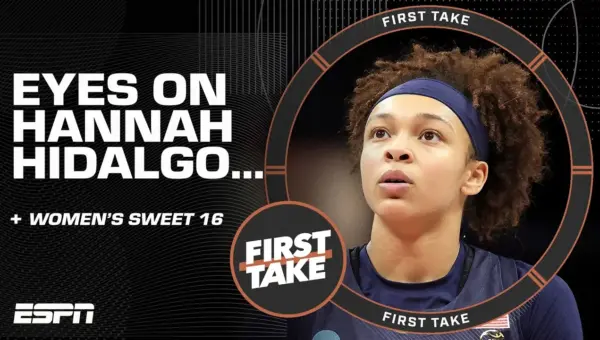
Hannah Hidalgo is electrifying the NCAA tournament with a near triple-double in Notre Dame's upset win. With other stars like Joyce Edwards and Lauren Betts also making noise, the Sweet 16 is packed with talent. Can UCLA's offense overcome UConn's dominance?

UConn Inches Closer to Perfection: 4 Wins From Title
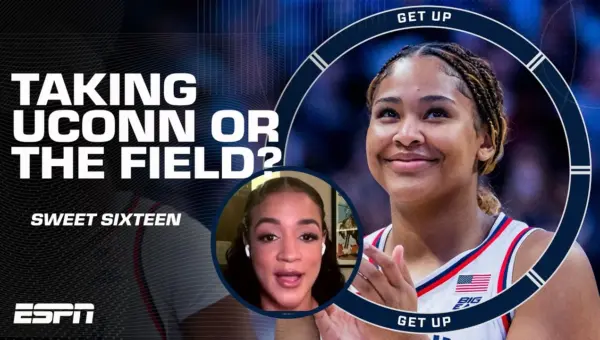
The UConn Huskies are just four wins away from a perfect season and back-to-back national championships after their dominant victory over Syracuse. Analyst Andraya Carter lauded the team's unstoppable style and versatility, while also identifying UCLA as their toughest potential challenger. A remarkable perfect bracket was finally broken, with South Carolina predicted to defeat TCU.

Steph White’s Son’s Sweet Basketball Surprise!
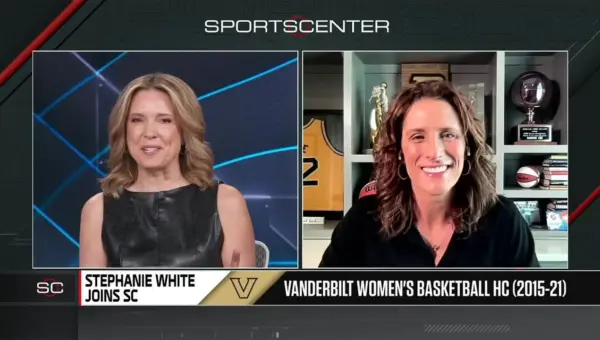
Stephanie White shares insights on the NCAA Women's Tournament and a heartwarming story about her son discovering boys play basketball. Plus, Caitlin Clark's surprising photography skills are revealed.