Lucid’s Profitability Path Faces Steep Hurdles
Lucid Motors faces significant financial headwinds, with a 96% stock decline since going public. The company's plan to reach profitability by 2030 relies on launching cheaper EVs and advancing autonomous driving, but faces challenges from low sales, high production costs, and uncertain market demand. Continued funding from the Saudi Arabian sovereign wealth fund is crucial for its survival.

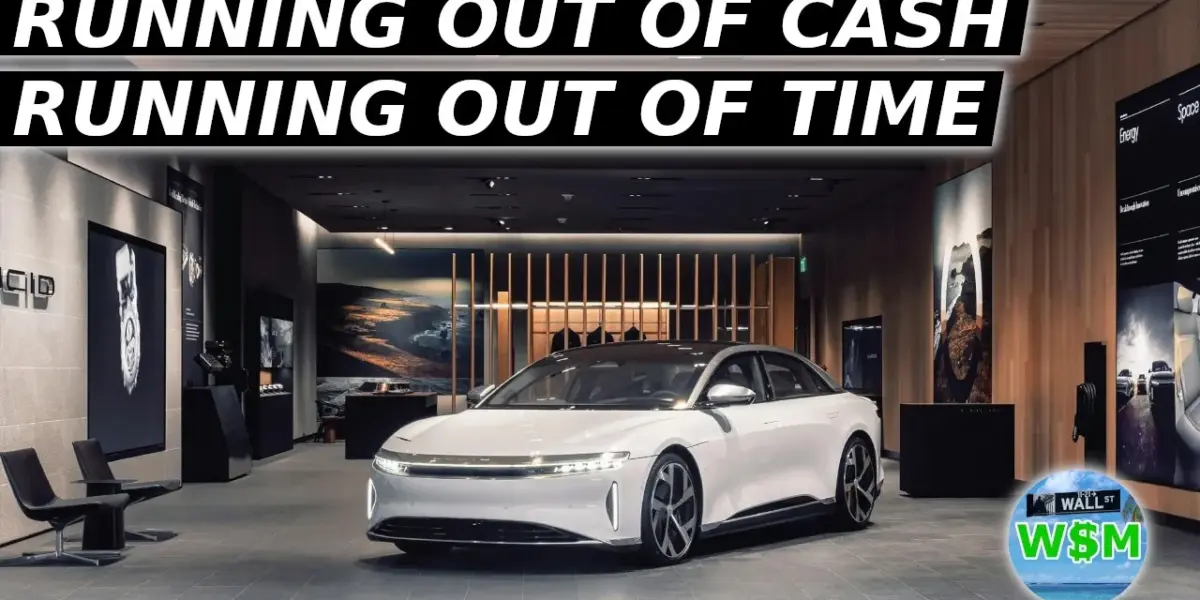
Lucid Motors’ Ambitious Recovery Plan Under Scrutiny Amidst Financial Woes
Lucid Motors, the luxury electric vehicle maker that went public in 2021, is facing significant financial challenges. Despite initial high valuations and hopes of becoming the next Tesla, the company’s stock has plummeted by 96% since its debut. Lucid’s expensive vehicles have led to low sales volumes, resulting in substantial losses for each car sold. The company’s survival hinges on continued financial backing from the Saudi Arabian sovereign wealth fund.
A High-Priced Beginning
Lucid began selling its first car, the Lucid Air, in 2021. This luxury electric sedan received praise for its performance and range, with the Grand Touring trim offering an EPA-rated range of 512 miles. However, its high price tag, starting at $169,000 for the Grand Touring in 2021, limited its market appeal. Even the more affordable Lucid Air Pure, introduced in 2023, had a starting price of $77,000, placing it out of reach for most consumers.
Underutilized Factories and Deep Losses
The company operates a large factory in Arizona with a capacity to produce 90,000 vehicles annually. In 2023, Lucid sold only 6,000 cars, utilizing just about 7% of its production capacity. High fixed costs in automotive manufacturing mean that low factory utilization leads to significant financial losses. To stimulate demand, Lucid reduced the price of the Air Pure to $70,000 in 2024, but sales only reached 10,000 units that year.
The Gravity SUV and Mounting Inventory
In 2023, Lucid introduced the Gravity, an electric SUV designed to appeal to a more popular market segment. However, this vehicle also came with a high price, starting at $95,000 for the Grand Touring version in early 2025. By November 2025, a standard version was available for $80,000. Despite ramping up production, Lucid produced around 18,000 vehicles in 2025 but sold only 16,000, leading to an accumulation of unsold inventory.
Production Costs Outpace Selling Prices
The low production volume has resulted in extremely high production costs per vehicle. In early 2024, Lucid’s average selling price was nearly $90,000 per car, while the cost to produce each vehicle exceeded $200,000. As prices were cut and deliveries increased, the production cost decreased to about $150,000 per car by the end of 2024. The introduction of the more expensive Gravity SUV in 2025 increased the average selling price to nearly $100,000 by year-end, but production costs also rose to about $180,000, partly due to manufacturing inefficiencies with the new model.
Accelerating Cash Burn and Saudi Lifeline
Lucid has consistently incurred operating losses since its inception, and its cash burn rate is increasing. The company burned through $2.9 billion in 2024 and $3.8 billion in 2025. The Saudi Arabian Public Investment Fund (PIF) has been the primary financial backer, investing nearly $10 billion to date and holding a 54% ownership stake. This substantial investment has kept the company from bankruptcy.
Lucid’s Path to Profitability: Cheaper Cars and Autonomy
In a March 2026 investor day event, Lucid outlined its strategy to reach profitability by the end of the decade. The plan involves introducing more affordable, mass-market electric vehicles and advancing autonomous driving technology. Later in 2026, Lucid plans to unveil two midsize EVs, the Cosmos and Earth, expected to have starting prices below $50,000 and deliveries beginning in 2027. These vehicles will be smaller than the Gravity and are designed for simpler, cheaper manufacturing.
Autonomous Driving Ambitions
Lucid is also focusing on autonomous driving features. In July 2025, they introduced hands-free highway driving for the Lucid Air, similar to Tesla’s Autopilot. This feature requires the optional Dream Drive Pro package, which costs an additional $6,750 on top of the Lucid Air Touring model’s price, bringing the total to nearly $87,000. Lucid plans to roll out hands-free driving to the Gravity SUV via an over-the-air update in the second quarter of 2026. The company aims to launch hands-free city driving (Level 2 Plus) in early 2027 and Level 4 autonomy by 2029. However, its most advanced current feature, hands-free highway driving, is about a decade behind Tesla’s initial release.
Market Challenges for New Models
The planned Cosmos and Earth models will enter a highly competitive market, facing rivals like Rivian’s R2. Furthermore, demand for EVs in the U.S. has been declining, partly due to the termination of federal tax credits in September 2025. EV sales in the first two months of 2026 were down 36% year-over-year, signaling potential headwinds for Lucid’s new mass-market vehicles.
Autonomy Subscription Model Uncertainties
Lucid plans to offer future autonomy features through monthly subscriptions, with Level 2 Plus costing $69 per month and Level 4 potentially costing $199 per month. However, the adoption rate for these features is uncertain. Tesla, which charges $100 per month for its Full Self-Driving (FSD) feature, had 1.1 million paid subscribers globally by the end of 2025, representing about 14% of eligible Tesla owners. Given Lucid’s current sales figures and the likely necessity of purchasing the Dream Drive Pro package for advanced features, Lucid’s attachment rate for autonomy subscriptions is expected to be significantly lower.
The Saudi Investment: A High-Stakes Bet
The Saudi Arabian PIF’s investment in Lucid is substantial. They own 177 million common shares, representing a 54% stake, and also hold $1.75 billion in convertible preferred stock purchased in early 2024. This preferred stock accrues a 9% annual dividend, paid in kind, increasing the principal value. However, this stock can only be converted into common shares if Lucid’s stock price reaches $55 per share, a threshold far above the current market price of around $10. If Lucid achieves significant success, the Saudis stand to gain substantially. If not, this preferred stock could become worthless.
Liquidity Concerns and Future Funding
As of the end of 2025, Lucid had $4.6 billion in liquidity, including cash, a $2 billion credit line from Saudi Arabia, and a $400 million credit line from other banks. Projections suggest this liquidity will only last until mid-2027, requiring Lucid to raise additional capital. It remains uncertain whether the Saudi government, which has faced criticism for some of its speculative investments and is managing budget deficits and economic pressures, will continue to provide funding.
Investor Day Promises Face Skepticism
Lucid’s recent investor day presentations, promising Level 4 autonomy by 2029 and new models without even showing prototypes, have been met with skepticism. The company’s financial position appears precarious, and its ambitious plans for the future lack concrete evidence and face significant market and technological challenges. The path to profitability for Lucid Motors remains long and uncertain.
Market Impact
Lucid’s future hinges on its ability to drastically cut production costs, successfully launch affordable mass-market vehicles, and achieve its ambitious autonomous driving goals. The company’s reliance on Saudi funding creates a unique dynamic, where future investment is tied to the kingdom’s strategic and financial interests. Investors are watching closely to see if Lucid can navigate these challenges or if its current trajectory will continue to depress its valuation.
What Investors Should Know
Investors should be aware of Lucid’s extremely high cash burn rate and its dependence on external funding. The company’s ambitious timelines for new products and autonomous driving technology face significant execution risks and market competition. The valuation of the company is heavily influenced by the Saudi PIF’s investment, making its future funding uncertain. The success of Lucid’s turnaround plan is far from guaranteed, and the company must demonstrate tangible progress in sales, cost reduction, and technological development to regain investor confidence.
Source: Lucid's Delusional "Path To Profitability" (YouTube)

Related Articles

EV Charging Summit Unveils Future of Reliable Power
The 2026 EV Charging Summit in Las Vegas showcased significant advancements in charging technology, emphasizing reliability and driver convenience. Key players like SWTCH, XCharge, and Tesla unveiled solutions addressing connectivity issues, high-power charging, and new business models for deploying charging infrastructure.


Police Test EVs for Patrol Duty
The Gaingo Police Department is testing two electric vehicles, a Ford Mustang Mach E and an F-150 Lightning, to see if they can handle the demands of police work. Chief Nielsen highlighted concerns about battery life, charging times, and vehicle durability for patrol duties.


Disney’s Adult Fans Face Soaring Costs, Empty Pockets
Adult Disney fans are spending more than ever to recapture childhood magic, but soaring prices and overwhelming crowds are straining the experience. Disney's marketing prowess is evident, yet rising costs raise questions about long-term visitor satisfaction and potential impacts on investor returns.