US Government Shutdown Sparks Worker Crisis
US government shutdowns are placing essential workers, like TSA officers, in severe financial hardship. Forced to work without pay, many struggle with basic expenses like transportation, highlighting a critical flaw in federal employee support during fiscal deadlocks.

Government Shutdown Hits Essential Workers Hard
The recent US government shutdown has put essential workers, like those at the Transportation Security Administration (TSA), in a dire financial bind. Many TSA officers, who are required to work without pay during these shutdowns, are struggling to even get to their jobs. This situation highlights a critical flaw in how the US government treats its frontline employees during periods of fiscal deadlock.
TSA Officers Face Financial Hardship
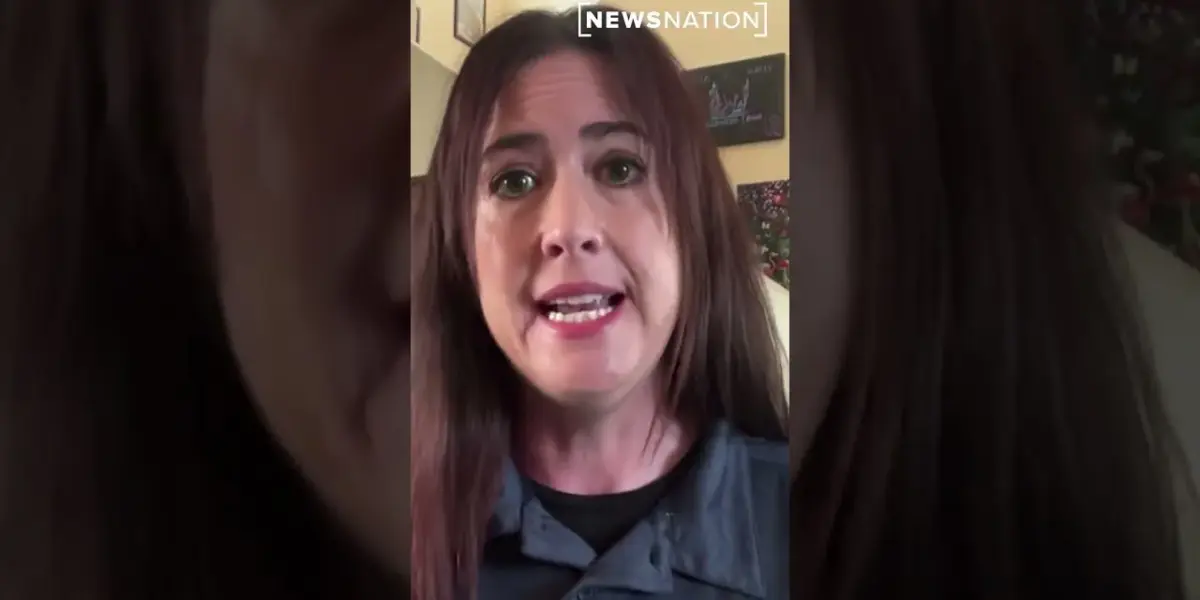
One TSA officer, speaking anonymously, shared the harsh reality of working without a paycheck. For three weeks, this officer could not afford to travel to their job at the Las Vegas airport. The lack of funds meant no gas for their car. This forced them to call out sick, despite the critical nature of their work.
Fortunately, the Las Vegas community stepped in to help. The Las Vegas Convention Center began donating gas cards to TSA officers. This support allowed the officer to return to work. However, this is a temporary fix for a much larger problem.
The Broader Impact on Federal Workers
The TSA officer’s story is not unique. Many federal employees face similar challenges during government shutdowns. These workers provide vital services, from airport security to food safety inspections. Yet, they are often the first to feel the financial pain when Congress cannot agree on a budget.
The ability of essential workers to do their jobs is directly tied to their personal financial stability. When they cannot afford basic necessities like transportation, their ability to serve the public is compromised. This creates a ripple effect, impacting national security and public safety.
Historical Context of Government Shutdowns
Government shutdowns are not new in US history. They occur when Congress fails to pass a funding bill, leading to a lapse in appropriations. Previous shutdowns have also seen federal workers forced to work without pay. These events often stem from deep political disagreements over government spending and policy priorities.
The current situation echoes past disputes where political brinkmanship directly harms the lives of working Americans. While politicians debate budgets, the people who keep the country running face real-world consequences. This includes the inability to pay rent, buy groceries, or cover medical expenses.
Economic Leverage and Political Deadlock
The financial pressure on federal workers is often used as a political tool. During shutdowns, the lack of paychecks can create public pressure on lawmakers to reach a compromise. However, this strategy places an unfair burden on employees who have no control over the political process.
The economic impact extends beyond the affected workers. Reduced spending by federal employees can slow down local economies. Businesses that rely on the income of these workers may also suffer. The uncertainty created by shutdowns can deter investment and create broader economic instability.
Why This Reshapes the World Order
While this specific incident is domestic, it speaks to a larger global trend. Nations are increasingly facing internal political divisions that impact their ability to function. When a major global power like the United States struggles with basic governance, it can create uncertainty on the international stage.
Allies may question the reliability of the US. Adversaries might see opportunities to exploit perceived weaknesses. A government that cannot consistently fund its own essential operations may struggle to project strength or leadership abroad. This can embolden rivals and weaken alliances, shifting the global balance of power.
Future Scenarios
One possibility is that this crisis will lead to reforms. Lawmakers might consider legislation to ensure federal employees are always paid, even during shutdowns. This would protect workers and ensure continuity of government services.
Another scenario is that shutdowns will continue to be a recurring political tactic. If this happens, the financial strain on federal workers will persist. This could lead to a decline in morale and a difficulty in recruiting and retaining skilled employees. The long-term effect could be a less effective federal workforce.
A third outcome is that the public outcry will force a more lasting resolution to budget disputes. Voters may demand that their representatives find common ground. This could lead to more stable government funding and fewer disruptions for federal employees.
The immediate concern, however, remains with the thousands of federal workers who are currently working without pay. Their dedication highlights a profound disconnect between political action and the lives of the people they serve. The ability of a nation to function relies heavily on the commitment of its workforce. When that commitment is tested by financial insecurity, the entire system is at risk.
Source: 'We just cannot afford to keep coming to work with no money': TSA Officer (YouTube)

Related Articles


Senator Slams GOP for Using Federal Workers as Political Pawns
A Democratic Senator has sharply criticized House Republicans for using federal workers as "political pawns" by rejecting a DHS funding bill. The Senate passed its own bill to fund essential agencies like the TSA, separating it from broader immigration reform debates. The Senator urged the House to pass the Senate's bill to ensure workers are paid while continuing separate talks on border security.
TSA Agents Face Financial Crisis Amid Government Shutdown
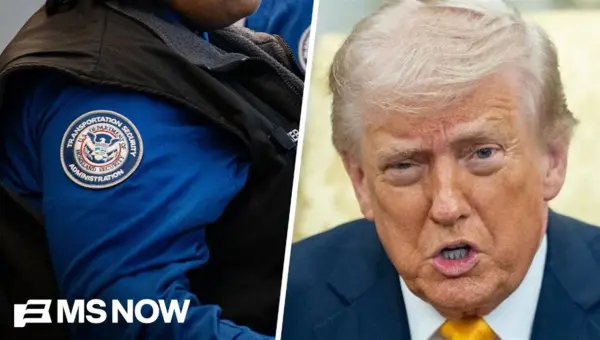
TSA officers are facing extreme financial hardship due to the government shutdown, with many going unpaid for over 40 days and resorting to selling plasma for money. Union representative Johnny Jones described the situation as a "real crisis," with agents feeling like "political pawns." He called for immediate payment and a $10,000 bonus to recognize their sacrifices.
TSA Lines Snag Amid Senate Funding Vote, Democrats Demand Reforms
The Senate has passed a partial funding bill for the Department of Homeland Security, sending it to the House. Democrats are pushing for an immediate vote to ensure TSA workers get paid, but key immigration reforms remain a major sticking point. Congressman James Walkinshaw stated he will not vote for ICE or CBP funding without reforms, calling the current situation "good governance? It isn't."