AI Designs Dog’s Cancer Vaccine, Shows Promising Results
A tech entrepreneur used AI tools like ChatGPT and AlphaFold to design a personalized mRNA cancer vaccine for his dog, Rosie. The treatment significantly shrank Rosie's tumors, showing AI's potential in advanced medical research and personalized treatment design.

AI Designs Dog’s Cancer Vaccine, Shows Promising Results
A tech entrepreneur used artificial intelligence tools to design a personalized cancer vaccine for his dog, Rosie. The vaccine significantly shrank the dog’s aggressive mast cell tumors. This development highlights AI’s growing potential in medical research and treatment design.
From Data Scientist to Canine Oncologist
Paul, a machine learning consultant with 17 years of experience, found himself in a difficult situation when his rescue dog, Rosie, was diagnosed with aggressive mast cell cancer. Despite multiple surgeries, chemotherapy, and immunotherapy, Rosie’s tumors continued to grow. Vets gave her only one to six months to live.
Refusing to accept the prognosis, Paul, who has no medical background, decided to use his AI expertise to find a new solution. He approached Rosie’s cancer as a data problem, viewing genetic mutations as “bad data” in her DNA. His goal was to find these “typos” and develop a way to fix them.
AI as a Research Assistant and Design Tool
Paul began by using ChatGPT as a research assistant. He asked about treatment options and personalized cancer therapy. ChatGPT suggested personalized immunotherapy, a method that targets specific cancer cells rather than using a broad-spectrum drug. This approach is like using a guided missile instead of carpet bombing.
ChatGPT helped Paul outline a plan to create a custom vaccine. The process involved several key steps, each leveraging advanced technology.
Step 1: Gathering Genetic Data
Paul first needed to understand Rosie’s specific cancer. He sent samples of her tumor and healthy cells to a genomics university for DNA sequencing. DNA sequencing involves reading the genetic code within cells. Think of DNA as an instruction manual for your cells; cancer cells have “typos” or mutations in this manual that cause them to grow uncontrollably.
By comparing the DNA from healthy cells and tumor cells, Paul could identify these specific mutations. This sequencing cost him about $3,000. He compared this process to comparing a new car engine with one that has 300,000 miles on it to see exactly where the damage is.
Step 2: Understanding Protein Mutations with AlphaFold
Next, Paul needed to understand what these genetic mutations meant. He used AlphaFold, an AI tool developed by Google DeepMind. AlphaFold can predict the 3D shape of proteins based on their genetic sequences.
Proteins have specific jobs, and their shape determines their function. When a gene mutates, it can create a misshapen protein. These misshapen proteins can appear on the surface of cancer cells like a “flag” that the immune system might recognize as foreign. Paul used AlphaFold to create 3D models of Rosie’s mutated proteins, essentially creating “mugshots” of the enemy.
Step 3: Identifying the Best Targets
Not all mutations are equally useful for a vaccine. Some mutated proteins are hidden, while others are easily visible on the cell surface. Paul used his own machine learning algorithms to sort through the identified mutated proteins. He looked for the ones most likely to trigger a strong immune response, essentially identifying the “bright red flags” that Rosie’s immune system could easily spot and attack.
Step 4: Designing the mRNA Vaccine
After analyzing the data, Paul developed a short mRNA sequence. This sequence acts as a formula to teach Rosie’s immune system to recognize and attack her specific cancer cells. mRNA vaccine technology is the same kind used in some COVID-19 vaccines.
An mRNA vaccine works by instructing normal cells to produce a specific protein. In Rosie’s case, this protein was a copy of the mutated protein found on her cancer cells. Her immune system would then identify this protein as foreign and attack any cell displaying it. This targeted approach spares healthy cells because they lack these specific mutated proteins.
From Digital Formula to Physical Vaccine
Paul had the vaccine’s digital formula, but he needed a lab to create it. He sent his half-page genetic code formula to Professor Paul Thorda at the UNSW RNA Institute. The institute had the necessary equipment and expertise to turn his digital design into a physical mRNA vaccine.
The manufacturing process was remarkably fast, taking less than two months from receiving Paul’s sequence to producing the finished vaccine. This is significantly quicker than the years or even decades traditional drug development can take.
Navigating Ethics and Administration
Before Rosie could receive the vaccine, Paul had to navigate ethical and regulatory hurdles. Obtaining approval for an experimental treatment for an animal is a complex process. It took him about three months to complete the necessary ethics paperwork.
Through connections with the K9 Cancer Alliance and Professor Rachel at the University of Queensland, Paul secured the approvals needed. He even drove ten hours with Rosie to get her the injection, showing his deep commitment to her well-being.
Staggering Results and Future Implications
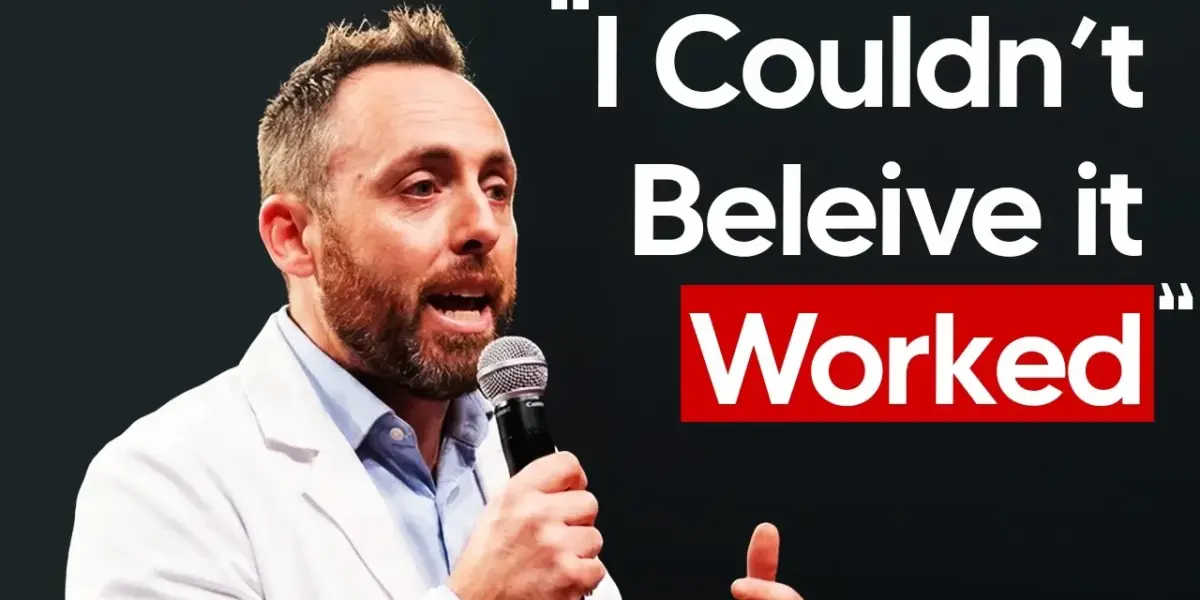
In December 2025, Rosie received her first dose. Within a month, the results were dramatic. The main tumor on her leg shrank by an estimated 75%. An associate professor described the outcome as “holy crap, it worked.” This marked the first time a personalized cancer vaccine had ever been designed for a dog.
Six weeks after the first treatment, Rosie was back to playing, jumping over fences to chase rabbits. This was a stark contrast to her previous low energy due to the tumors. While the cancer isn’t entirely gone and one tumor didn’t respond, the treatment significantly pushed back the disease, giving Rosie more time and a much better quality of life.
Why This Matters
Paul’s success, combining his AI expertise with university research, demonstrates the potential for AI to accelerate medical breakthroughs. Major pharmaceutical companies are already investing billions in similar personalized mRNA cancer vaccines for humans. Companies like Moderna and Merck are running clinical trials for melanoma and other cancers.
The cost of DNA sequencing was around $3,000, and AI tools like ChatGPT and AlphaFold are publicly available. A university researcher noted that this case shows a regular person with technical skills can now participate in cutting-edge medical research, something not possible just a few years ago.
Balancing Hype and Reality
While the story is inspiring, experts caution against overhyping the results. One perspective is that creating a single mRNA vaccine is technically straightforward, but proving its safety and effectiveness through rigorous, large-scale, randomized controlled studies is the true challenge and expense. This is crucial for human treatments.
Others argue that while safety trials are vital, the current scientific and bureaucratic systems can be slow and costly, potentially delaying life-saving progress. Paul’s story highlights this tension: the science shows promise, but the institutional processes can be a barrier.
Rosie’s case is a powerful illustration of AI’s potential in personalized medicine. It offers hope and shows the direction cancer treatment may be heading, but it’s a single dog’s success, not a complete cure. The gap between this specific result and widespread, proven treatments remains significant.
Source: How A Man Used ChatGPT to Cure His Dog’s Cancer… (YouTube)

Related Articles


Finland Tops Happiness Chart, UK Falls to 29th
Finland has once again been named the world's happiest country, while the UK dropped to 29th in the latest World Happiness Survey. The report explores the complex ways happiness is measured and highlights unique Finnish concepts of well-being, alongside concerning trends in youth happiness.


ChatGPT Adds Library Tab, Google Overhauls AI Studio
This week's AI news highlights significant updates from major players. ChatGPT now features a Library tab for easier document management, while Google has overhauled its AI Studio, merging it with an app builder to simplify the creation of multiplayer experiences. We also look at Midjourney V8's performance, user hopes and fears about AI from an Anthropic study, and quick updates from Gamma, OpenAI, and Claude.

Ukraine Gains AI Drone Edge: Russia’s Jamming Weakened
Ukraine is integrating advanced AI drone software from Shield AI, significantly boosting its capabilities against Russian jamming. The Hivemind system enables autonomous flight and swarm tactics, challenging traditional military doctrine and potentially weakening Russia's electronic warfare advantage.