Iran Nuclear Sprint: Expert Warns of Weeks to Weapon Material
A nuclear expert warns Iran could produce weapons-grade uranium in mere weeks if its stockpiles are not destroyed. The material is believed to be stored deep underground at the Isfahan site, making any attempt to secure it an extremely difficult commando mission. Additionally, Iran's expanding long-range missile capabilities pose a growing threat to regional stability.

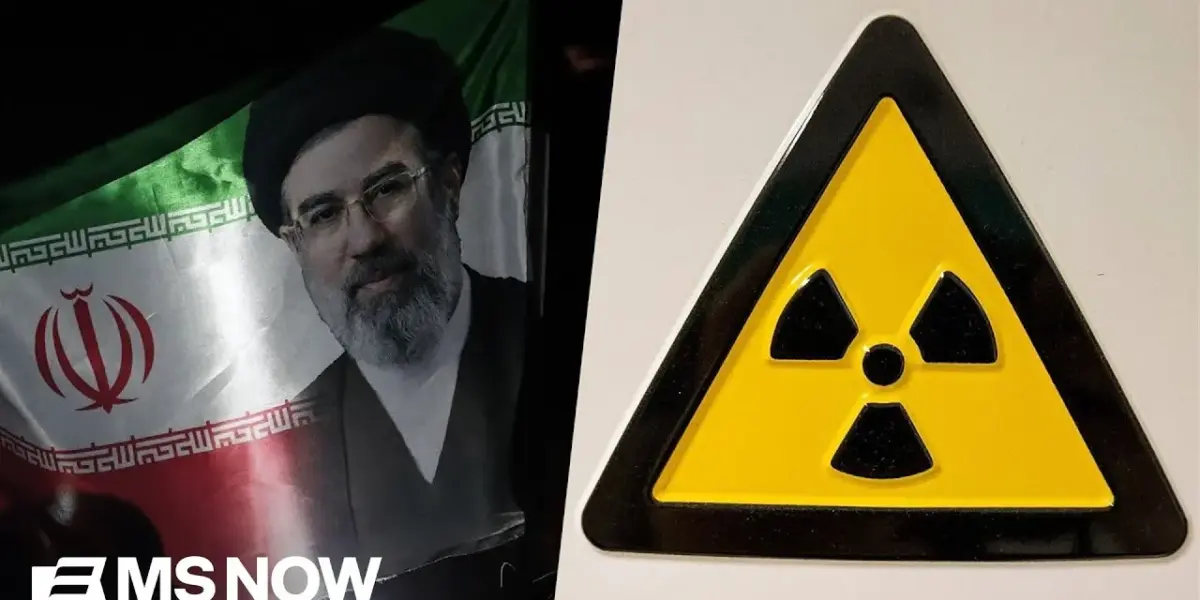
Expert Warns Iran Could Build Nuclear Weapon in Weeks
A nuclear policy expert has issued a stark warning: Iran could be just weeks away from obtaining weapons-grade nuclear material if existing stockpiles are not secured. Joe Cirincione, a national security expert and vice chair of the Center for International Policy Board of Directors, stated that the critical step in creating a nuclear weapon – enriching uranium to a weapons-grade level – could be achieved rapidly by Iran. This comes amid heightened tensions and reports of renewed strikes on Iran’s nuclear facilities.
Inside Iran’s Nuclear Site: A Vast, Hidden Operation
Cirincione, who visited Iran’s uranium conversion site in Isfahan in 2005, described it as a vast, above-ground facility. However, he revealed that the most concerning material is believed to be stored deep underground. “We believe that in one of those structures, 100 or more meters below the ground, beyond the reach of even the biggest American conventional bomb, that’s where they have stored this 440 kilograms of 60 percent enriched uranium,” Cirincione explained. This enriched uranium, he noted, is a crucial ingredient for nuclear weapons.
The ‘Sprint to Weapons Material’: A Race Against Time
The expert elaborated on the urgency, explaining that if Iran’s centrifuges and enriched uranium hexafluoride are still operational, they could quickly refine the existing material. “They could sprint to weapons material in a matter of weeks,” Cirincione warned. While building an actual weapon would still take months, producing the necessary enriched uranium is considered the most difficult hurdle. This assertion highlights the critical nature of the current situation, suggesting that Iran has the capability to significantly advance its nuclear program in a short timeframe.
A ‘Most Difficult Commando Mission’ to Secure Uranium
Cirincione painted a grim picture of the challenges involved in trying to seize or destroy the enriched uranium. He described such an operation as potentially the “most difficult commando mission in history.” The site’s location, 500 miles inland from Iran’s coast, presents a major logistical hurdle for any military intervention. “Clearly you can’t do it above ground, probably have to be airdropped,” he said, pointing out the risks of Iran’s remaining air defenses, which recently downed an F-35 fighter jet.
Underground Obstacles and Iranian Defenses
The difficulties escalate once troops reach the site. Cirincione explained that the uranium is not stored in easily accessible warehouses but is likely housed deep underground. Entrances to these facilities are reportedly covered with dirt and possibly cement, requiring heavy excavation equipment like bulldozers to gain access. All of this would need to happen while under attack from Iran’s substantial military forces, estimated at a million soldiers and a million militia members. “These troops would undoubtedly come under attack with all kinds of Iranian arms,” Cirincione stated.
Handling Nuclear Material: A Delicate and Time-Consuming Task
Even if the uranium could be reached, safely removing it presents another significant challenge. The material is stored in canisters, described as being about the size of scuba tanks. Cirincione drew a parallel to a past operation in Kazakhstan, where removing 500 kilograms of enriched uranium, with the government’s cooperation and in peacetime, took a month. “So that gives you some idea of how difficult this mission would be,” he commented, calling it “very, very difficult.”
Iran’s Growing Missile Threat
The discussion also touched upon Iran’s expanding ballistic missile capabilities. Cirincione addressed a recent incident where Iran fired an intermediate-range ballistic missile targeting a joint U.S.-UK base in the Indian Ocean. He warned that if Iran possesses dozens of such missiles, U.S. assets in the region are highly exposed. “These are very very long-range missiles and very difficult to shoot down,” he explained. The missiles travel at incredible speeds, making interception extremely challenging. Iran had previously limited its missiles to a 1,200-mile range, but after recent attacks, this limit was reportedly lifted, leading to the development of longer-range missiles capable of reaching targets much farther afield, including parts of Europe and threatening naval aircraft carriers.
Looking Ahead: What’s Next for Iran’s Nuclear Program?
The situation remains highly volatile, with the potential for Iran to rapidly advance its nuclear capabilities. The immense difficulty of any military intervention to secure nuclear material, coupled with Iran’s growing missile threat, presents a complex and dangerous scenario. Future developments will likely focus on international diplomatic efforts, intelligence gathering on Iran’s nuclear and missile programs, and the ongoing assessment of the risks posed by a nuclear-armed Iran.
Source: Iran could ‘sprint to weapons grade’ in weeks if nuclear material isn’t destroyed: Nuclear expert (YouTube)

Related Articles

US Strikes Cripple Iran’s Military Might, CENTCOM Reports
U.S. Central Command reports ongoing strikes inside Iran are significantly weakening its military power. This direct action aims to reshape regional security dynamics, but carries risks of escalation. The long-term impact depends on Iran's response and ability to adapt.


U.S. Iran Tensions Rise Amid Shifting Alliances
Rising tensions between the U.S. and Iran are creating a volatile geopolitical situation. With conflicting signals on de-escalation and potential shifts in alliances like NATO and U.S.-Israel relations, the path forward remains uncertain. The global economy and regional stability hang in the balance.


Trump Delays Iran Strike Deadline Amidst Shifting Diplomacy
President Donald Trump has extended his deadline for potential strikes on Iranian energy plants to April 6th, amid reports of U.S.-Iran diplomatic talks mediated by Pakistan. This move comes as Israel continues its strikes on Iran and the U.S. deploys additional military assets to the region. Analysts point to mixed signals, economic pressures, and strategic miscalculations as key factors shaping the evolving situation.