Speaker Johnson’s War Funding Request Sparks Fierce Debate
Speaker Mike Johnson's request for billions in war funding, framed as a limited conflict, is facing intense scrutiny. Critics question the definition of war, historical spending, and the financial accountability of the Pentagon. The debate highlights the trade-off between overseas military costs and domestic needs, with growing dissent from various political factions.

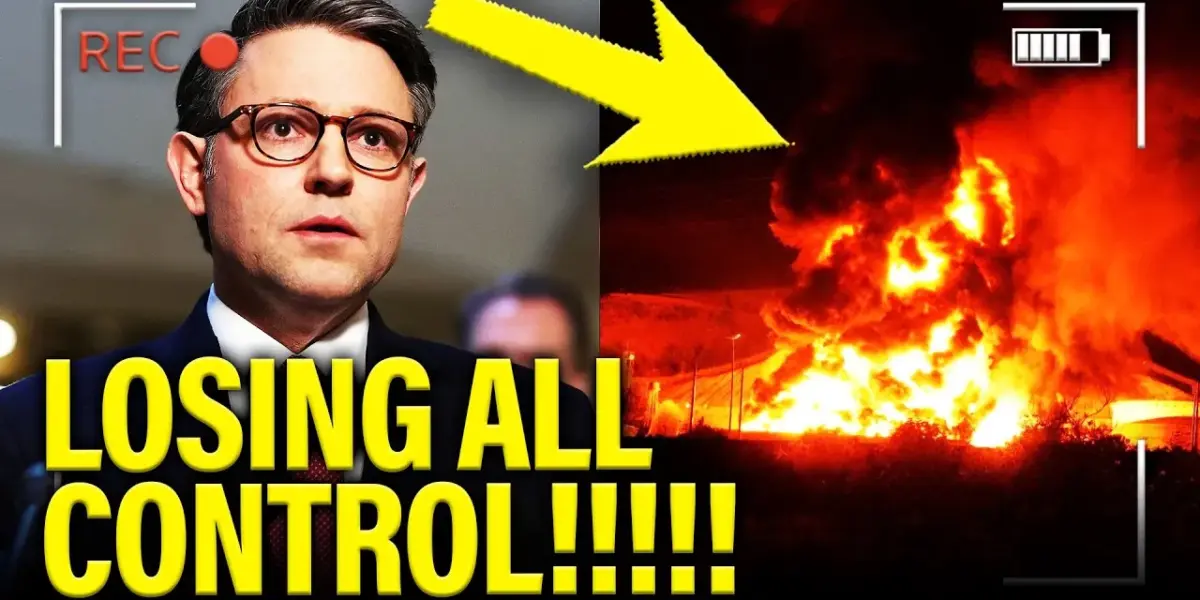
Speaker Johnson’s War Funding Request Sparks Fierce Debate
Speaker Mike Johnson is seeking billions of dollars for what he describes as a limited conflict, not a war. This move has ignited significant debate, with critics questioning the administration’s strategy and the true cost to American taxpayers. The request comes at a time of heightened global tension and domestic economic concerns, leading to a sharp division among political figures.
One key point of contention is the definition of ‘war.’ Johnson suggests that if the mission is limited and focused on completing objectives, it doesn’t require a formal declaration of war from Congress. However, others argue that any deployment of ground troops or significant financial commitment abroad should necessitate congressional approval. This distinction highlights a larger debate about the balance of power between the executive and legislative branches in matters of foreign policy and military action.
Historical Spending Patterns Under Scrutiny
The debate over war funding also brings historical spending habits into focus. Critics point to past Republican administrations, including those of Ronald Reagan and Donald Trump, for increasing national debt through economic policies and military spending. While Democratic administrations like Bill Clinton’s are credited with balancing the budget, the recurring pattern of increased deficits under Republican leadership is a frequent talking point. This suggests a perception that Republicans are more concerned with controlling spending in certain areas, like social programs, rather than overall fiscal responsibility, especially when it comes to defense and military operations.
The current conflict in the Middle East is directly impacting American households through rising gas prices. This economic strain adds another layer of complexity to the funding debate. The administration acknowledges the frustration of the public but also highlights the sacrifices of service members who have been deployed to protect American interests and allies. The sentiment is that Americans once rallied together in support of troops during past conflicts, like World War II, through small acts of contribution. Today, the suggestion is to manage with less, perhaps by cutting back on everyday expenses like a trip to Starbucks, to help ease the burden until the situation stabilizes and gas prices decrease.
Concerns Over Pentagon’s Financial Accountability
A significant criticism leveled against the government’s spending priorities involves the Pentagon’s inability to pass an audit. Despite the vast sums allocated to defense, there are persistent concerns about potential fraud and abuse, as the department has never successfully completed a full audit. Examples like the extravagant spending on items like steaks and lobsters by officials attempting to use up their budgets before the fiscal year ends are cited as evidence of mismanagement. This lack of financial transparency fuels the argument that resources could be better allocated, especially when compared to perceived underfunding in areas like healthcare.
The financial implications are staggering. Estimates suggest the U.S. is spending over a billion dollars per day on military operations. One report indicated that in the first 12 days alone, the cost reached $16.5 billion. For context, if even half of that daily expenditure were redirected, it could fund the construction of multiple hospitals in America every single day. The argument is that this money could be used to improve domestic infrastructure, healthcare, and the general quality of life for American citizens, rather than being spent on what some describe as a ‘manufactured war’ with questionable outcomes and civilian casualties.
The Cost of War vs. Domestic Needs
The human cost of these military actions is also a major concern. While the elimination of certain foreign leaders might be seen as a strategic win by some, the broader impact on the civilian population and the lack of clear, positive change for the people in affected regions are questioned. The expenditure of a billion dollars a day on overseas conflicts is contrasted with the pressing needs within the United States. The average cost to build a hospital in America, for instance, is around $100 million. This means that the daily war spending could theoretically fund the creation of ten new hospitals across the country each day.
The decision to engage in these conflicts is increasingly being labeled as a ‘war of choice’ rather than a necessary response to an imminent threat. Intelligence reports, or the lack thereof, are being scrutinized. For example, the absence of clear intelligence suggesting an imminent large-scale attack from Iran is used to argue that the conflict was not a foregone conclusion. The argument is that Iran’s actions, while sometimes aggressive, have historically been deliberate and escalatory, particularly when faced with a strong and serious stance from the U.S., as was perceived during the Trump administration.
Shifting Public Opinion and Political Fallout
A notable development is the growing dissent within conservative circles against the current foreign policy. Figures like Joe Kent, a former Trump nominee, have publicly resigned from their positions, citing moral objections and arguing that U.S. allies, particularly Israel, may have manipulated President Trump into escalating tensions. The widespread visibility of such resignations, with millions of views and likes on social media platforms, indicates a significant level of public dissatisfaction with the ongoing conflicts. This unpopularity spans across party lines, with strong opposition from Democrats and growing unease among independents and even within the MAGA base.
The economic impact on Trump voters and small businesses is also becoming a significant factor. Tariffs imposed under the Trump administration, which have not been removed, continue to affect businesses, including those that traditionally supported him. This economic pressure is leading to a disconnect between the voters’ expectations and the perceived outcomes of the policies enacted. Polling data shows a significant drop in Trump’s approval rating concerning the cost of living, suggesting that voters are increasingly holding him and the Republican party accountable for economic hardships.
The Path Forward: Diplomacy or Continued Conflict?
The growing chorus of opposition, including from prominent conservative figures and former officials, raises questions about the future direction of U.S. foreign policy. The call for prioritizing domestic needs, such as infrastructure and healthcare, over costly overseas engagements is gaining traction. The effectiveness of current strategies is being questioned, with many advocating for a return to diplomacy and a more cautious approach to military intervention. The debate over war funding is thus becoming a referendum on the nation’s priorities and its role in the world.
Ultimately, the decision on how to proceed with war funding and foreign policy will have long-lasting consequences. The current discussions highlight a critical juncture where the public, policymakers, and political leaders must grapple with the immense financial and human costs of military action. The call for greater transparency, accountability, and a reevaluation of national priorities is a central theme emerging from this complex and urgent debate.
Source: MAGA Mike FALLS APART as WAR BACKFIRES (YouTube)

Related Articles

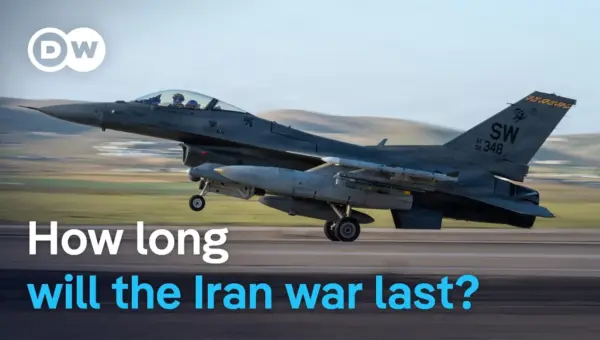
US Official Claims Iran War Could End Soon; Expert Skeptical
Despite US envoy Steve Woff's optimism about imminent talks and a swift end to the conflict with Iran, expert Aaron David Miller expresses significant doubt. Miller argues that a lack of shared urgency and fundamental miscalculations by the US administration make a quick resolution unlikely.

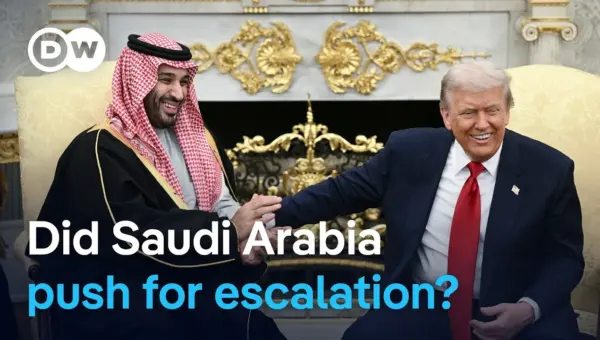
Saudi Arabia Pushes US for Iran War, Report Claims
Saudi Arabia's Crown Prince Mohammed bin Salman has reportedly urged the US to escalate military action against Iran, viewing it as an opportunity to reshape the Middle East. While Saudi officials deny the report, the push comes amid increased Iranian attacks on Saudi oil infrastructure. Experts suggest a complex dynamic where Saudi Arabia seeks US intervention while also managing the risks of regional instability.

House Republicans Reject Senate Deal, Sparking Government Funding Clash
House Republicans have rejected a Senate bill to end the government shutdown, citing insufficient border security measures. Congressman Randy Fine called the Senate deal a "disgrace" and highlighted the ongoing fight for full government funding. President Trump's executive order to pay TSA agents offers temporary relief, but the core disagreement over border security continues to paralyze Washington.