US Lifts Iran Sanctions Amidst Escalating Conflict
The U.S. decision to lift oil sanctions on Iran amidst an ongoing conflict has sparked widespread criticism and confusion. Critics argue this move signals a strategic failure and potentially empowers adversaries, contrasting sharply with stated U.S. foreign policy goals.


US Policy Shift on Iran Sparks Confusion and Criticism
The United States has made a stunning decision to lift oil sanctions on Iran, a move that has left many observers stunned and questioning the nation’s strategy. This reversal comes at a time when the U.S. is reportedly engaged in conflict with Iran. The decision appears to be a response to the significant impact of oil market disruptions, possibly linked to former President Donald Trump’s policies, which have created an urgent need for relief.
Adding to the confusion, President Trump has repeatedly declared victory in the conflict, stating the war is over or winding down on multiple occasions. However, actions on the ground suggest a different narrative. Thousands of additional troops are being sent to the Middle East, preparing for a potential ground invasion that many experts deem geographically impossible due to Iran’s terrain. Furthermore, the Pentagon is seeking an additional $200 billion from Congress to fund ongoing military operations.
Contradictory Spending Priorities Highlighted
This increased military spending stands in stark contrast to past decisions. At one point, the government shut down due to a lack of funding for healthcare, a move labeled as fiscally irresponsible. Yet, when it comes to military action, such as bombing campaigns or funding endless wars, financial responsibility seems to be disregarded. The transcript also points out the irony of having funds for new Middle Eastern conflicts while previously citing a lack of resources for supporting allies like Ukraine for years.
A Major Financial Concession
Reports indicate that the U.S. will now permit Iran to access $14 billion in oil revenue. This marks the first time the U.S. has allowed Iranian oil sales since 1996. Critics argue that going to war with a country and then immediately easing sanctions on its oil to avoid economic collapse is a clear sign of strategic failure. Some go further, calling the situation a form of global humiliation.
Going to war with a country, then immediately floating the idea and actually executing the idea of lifting sanctions on that country’s oil to prevent your own economic collapse is a definition of strategic failure.
Diplomatic Failures and Missed Opportunities
The situation is further complicated by the U.S.’s apparent inability to rally international support for its actions. President Trump’s attempts to assemble a coalition of ships for escort missions were reportedly met with refusals from countries he had previously alienated. This lack of support suggests a breakdown in diplomatic relationships, leaving the U.S. isolated.
The economic fallout is also evident. Inflationary pressures are rising, with investors predicting a significant increase in U.S. inflation over the next year. This mirrors the supply chain disruptions experienced during the COVID-19 pandemic.
History of Avoidable Conflict
Many believe the current conflict was entirely avoidable. Reports suggest that a peace agreement was close to being reached before President Trump withdrew from it. Specifically, it is reported that Iran offered to give up all its enriched uranium during peace talks in Geneva, an offer that was considered credible by some international parties. However, the U.S. reportedly began bombing Iran shortly after, suggesting a preference for military action over diplomacy.
This echoes past events where the U.S. withdrew from the Iran nuclear deal (JCPOA), negotiated under the Obama administration. Despite Iran’s compliance and subsequent willingness to negotiate, the deal was abandoned, leading to increased tensions, casualties, and economic instability.
The Perpetual War Cycle
The current approach is seen by some as setting a precedent for a perpetual cycle of conflict. Instead of achieving lasting peace, the strategy may lead to repeated military strikes and rebuilding efforts, trapping the U.S. in an endless war. The idea of a ground invasion, often seen as the only way to achieve regime change, is considered logistically impossible and would likely result in catastrophic outcomes given Iran’s size, population, and geography.
Escalation and Global Instability
The decision to lift sanctions on Iran, while simultaneously being in conflict with the nation, is viewed as a dangerously counterproductive move. It risks empowering adversaries and increasing global instability. The transcript argues that by allowing Iran to gain oil revenue, the U.S. is indirectly funding its enemies and helping them consolidate power. This is seen as a failure to protect national interests and allies, potentially backfiring on a global scale.
Why This Matters
This situation highlights a critical disconnect between stated foreign policy goals and actual actions. The apparent contradiction of imposing sanctions while simultaneously easing them, all within the context of an ongoing conflict, raises serious questions about U.S. strategic competence and leadership. The financial implications, both domestically and internationally, are significant. The potential for prolonged conflict, increased human suffering, and economic disruption demands careful consideration and a more coherent, diplomatic approach to international relations.
Implications and Future Outlook
The lifting of sanctions on Iran, especially amidst conflict, signals a potentially volatile shift in Middle Eastern dynamics. It could embolden Iran and its allies, while further alienating traditional U.S. partners. The long-term consequences for global oil markets and regional stability remain uncertain, but the immediate outlook suggests increased tension and a continued reliance on military solutions over diplomatic ones. The pattern of escalating conflicts with unclear objectives and questionable strategic outcomes points towards a future where the U.S. may find itself increasingly mired in costly and protracted engagements, with diminishing returns and growing international skepticism.
Source: This is so f*cking insane (YouTube)

Related Articles


Israelis Forge Resilience Amidst Constant Bomb Shelter Drills
Life in Israel is a blend of resilience and constant vigilance, with many families adapting to frequent bomb shelter drills and even sleeping in makeshift shelters. Despite ongoing missile attacks, Israelis strive to maintain normalcy, though businesses face disruption and emotional fatigue is a growing concern.

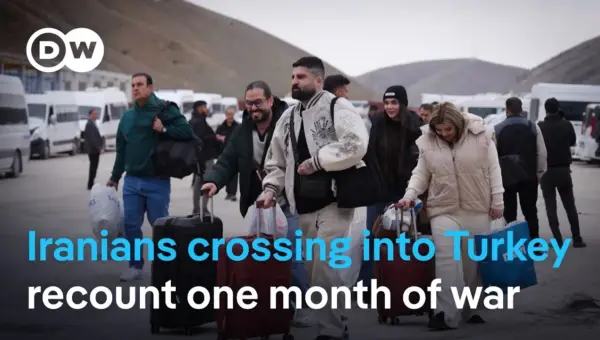
Iran War Exodus: Refugees Flee to Turkey Amidst Bombings
A train from Tehran brings refugees to Turkey, fleeing daily bombings and economic collapse. Many express deep fear for loved ones left behind, while some hold onto national pride and hope for victory. The conflict's impact is also felt economically in Turkey, with rising gas prices.


Israel Escalates Iran Strikes, Warns of Wider War
Israel has launched significant strikes inside Iran following continued missile fire, warning of further escalation. The conflict risks wider regional instability and economic disruption, especially concerning the Strait of Hormuz.