Trump’s Immigration Crackdown Shifts Focus Away From Public View
The Trump administration is reportedly shifting its mass deportation efforts away from public view to improve political optics, despite an ongoing surge in ICE arrests nationwide. While the White House emphasizes arresting criminals, many detainees lack criminal records, and enforcement is increasingly happening away from headlines and impacting vulnerable populations. Concerns are also rising over the surveillance of political dissent and the use of DNA collection on protesters.

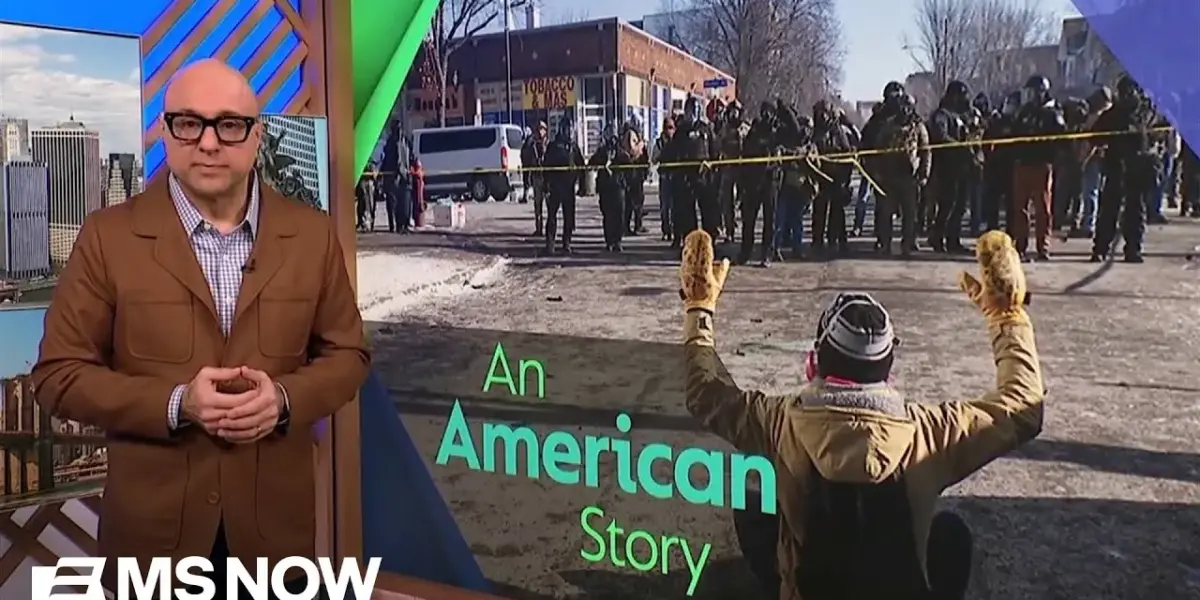
White House Seeks to Quietly Expand Deportations Amid Optics Concerns
President Donald Trump’s administration is reportedly working to lower the public profile of its mass deportation efforts, shifting focus from high-profile raids to quieter, more widespread arrests. This change comes as the administration faces public backlash and declining poll numbers over violent immigration enforcement actions.
Political Strategy Drives Immigration Policy Changes
According to reports, President Trump has told advisors he wants to emphasize arresting “bad guys” and reduce the visible “chaos” in American cities. This strategic shift is reportedly spearheaded by Chief of Staff Susie Wiles, who believes the immigration team turned a key policy into a midterm election liability. The firing of former DHS Secretary Kristi Noem is seen as a signal for this reset. The White House’s primary concern appears to be the political optics and media coverage of the enforcement actions, rather than a fundamental change in the deportation agenda. A White House spokesperson stated that the administration’s immigration enforcement agenda remains unchanged, with President Trump’s highest priority being the deportation of “illegal alien criminals who endanger American communities.”
Reshuffling Leadership and Shifting Messaging
Senator Mark Wayne Mullin, Trump’s nominee to replace Noem, described the revamp during his confirmation hearing, stating the goal is “not to be the lead story every single day.” This suggests a move away from the highly visible, often controversial enforcement operations that have drawn significant media attention. Governor Tim Walz of Minnesota, who spoke with administration officials, noted that the calls he received were not about the well-being of affected individuals but about the administration’s dropping poll numbers and negative television coverage. This reinforces the idea that the administration’s adjustments are politically motivated, aiming to mitigate negative public perception.
The Reality of Enforcement Away From Headlines
Despite the administration’s efforts to rebrand its immigration crackdown, new analysis reveals that the bulk of immigration enforcement is happening quietly and away from public view. The New York Times reported that ICE arrests have surged nationwide, averaging over 1,100 arrests per day, nearly double the rate from the previous spring. However, these arrests are not concentrated in the cities that have made headlines. Miami leads the nation in arrests since Trump took office, followed by Dallas, Atlanta, and San Antonio. Much of this enforcement is “custodial,” meaning arrests of individuals already in custody, and is more common in Republican-led states where local law enforcement cooperates with federal agencies.
Deportations Target More Than Just Criminals
Crucially, many individuals arrested by ICE have no criminal record, which challenges the administration’s claim that its efforts are focused on “criminals and the worst of the worst.” Currently, 74 percent of individuals in ICE detention have no criminal record, according to the Brennan Center for Justice. This is a significant shift from previous administrations that prioritized detaining immigrants with criminal records. The scale of ICE’s operations is vast, with over 7 million people on its non-detained docket, meaning they are considered deportable but not currently in custody. ICE air operations have also expanded significantly, with a substantial increase in removal flights to various countries, even after the supposed reset.
Private Contractors and Expanding Detention
Private contractors are playing a significant role in the expanded detention system. ICE has awarded no-bid contracts to companies like CoreCivic and GEO Group to operate detention facilities. CoreCivic received a contract to reopen a facility in Kansas, expected to generate around $60 million annually. GEO Group secured a $1 billion, 15-year contract to run a detention facility in New Jersey. These long-term contracts suggest a sustained commitment to expanding detention capacity, even as the administration attempts to lower its public profile.
Deteriorating Conditions and Surveillance Concerns
The enforcement efforts continue to impact vulnerable populations, including pregnant, postpartum, and nursing immigrants. As of mid-February, 121 individuals in these categories were in ICE detention, with nine women in their third trimester, despite federal policy suggesting detention should be limited for such cases. Federal custody has also seen a concerning number of miscarriages, with 16 recorded between January and mid-February. Beyond deportations, there are growing concerns about the surveillance of political dissent. Evidence suggests federal agents are tracking and documenting American protesters, including citizens, using technology from companies like Palantir. This data is reportedly used to log information and, in some cases, ICE officers are taking DNA samples from arrested protesters. Legal experts warn this could create a “catalog of political dissidents,” potentially chilling free speech and dissent against the administration.
Looking Ahead: Continued Enforcement and Scrutiny
While the Trump administration aims to shift the narrative and conduct its deportation efforts more discreetly, the underlying machinery of enforcement continues to operate at a massive scale. The expansion into detention of vulnerable populations and the surveillance of citizens raise significant human rights and civil liberties concerns. Future reporting will likely focus on the ongoing impact of these policies, the effectiveness of the administration’s “reset,” and the legal and ethical challenges posed by increased government surveillance.
Source: Trump’s deportation effort grows in the shadows (YouTube)

Related Articles


Sweden Deports Young People Amid Strict New Immigration Law
Sweden is enforcing a stricter immigration policy, leading to the deportation of young people who have grown up in the country. Despite learning Swedish, building lives, and having family ties, individuals as young as 19 are facing removal, sparking widespread protests and public concern.
House Funds DHS, But Senate Deal Unlikely Amid Shutdown
The House of Representatives has passed a bill to fund the Department of Homeland Security, but the measure is unlikely to pass the Senate. TSA workers, who have faced missed paychecks and disruptions, may receive some pay soon due to a presidential order, but the broader shutdown continues.


DOJ Official’s Remarks Spark Outrage Over Political Allegations
A top Trump DOJ official's speech at CPAC has sparked controversy, with claims of incriminating admissions regarding fears of prosecution and alleged political motivations. The remarks have raised serious questions about impartiality within the Department of Justice.