Trump’s Mueller Reaction Sparks Outrage, Raises Leadership Questions
Donald Trump's recent social media post marking the anniversary of Robert Mueller's death has drawn widespread condemnation. The controversial message reignites debates about political discourse and leadership tone.

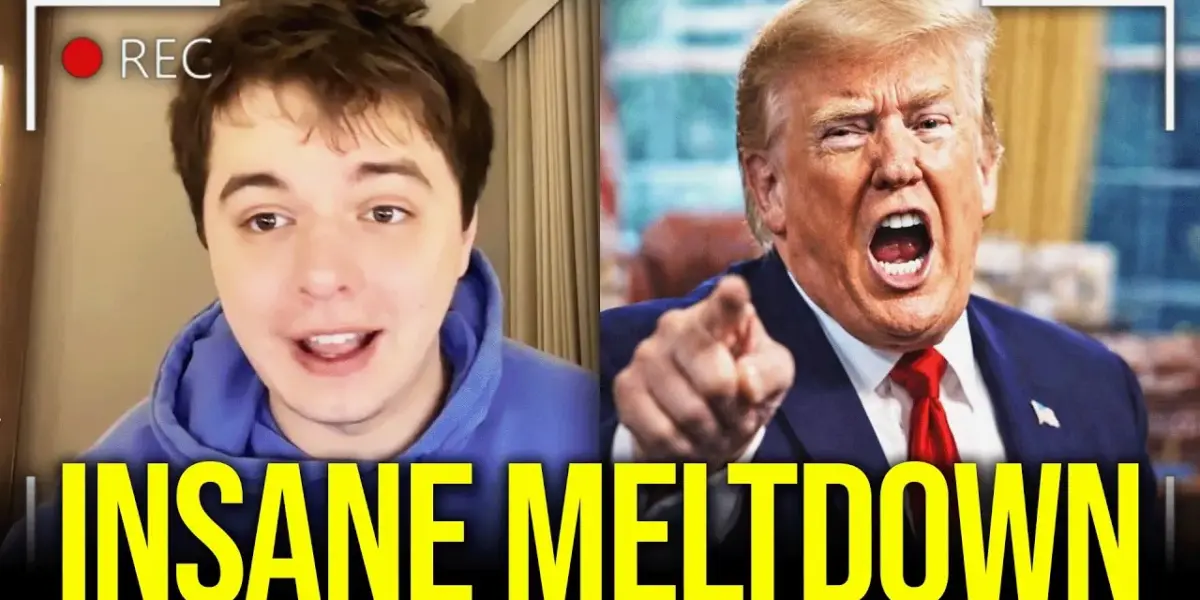
Trump’s Post on Mueller’s Death Stuns Critics
Former President Donald Trump recently faced widespread criticism for his reaction to the death of Robert Mueller, the former FBI Director and Special Counsel. Mueller passed away on August 31, 2023. Shortly after the news broke, Trump posted a message on his social media platform, Truth Social. This post, which celebrated the anniversary of Mueller’s death, has sparked a serious debate about political discourse and leadership.
The Controversial Social Media Post
Trump’s Truth Social post highlighted the one-year anniversary of Robert Mueller’s passing. He framed it as a day of celebration for himself. The post read, ‘Happy Anniversary to the day Robert Mueller died.’ This message was seen by many as deeply inappropriate and insensitive, especially coming from a former president.
The backlash was immediate and strong. Critics from across the political spectrum condemned the statement. They argued that it showed a lack of empathy and respect for a significant public figure, regardless of political differences. Many felt that such a public statement, particularly on the occasion of someone’s death, was unbecoming of a leader.
The moment is raising serious questions about tone, leadership, and the state of political discourse.
Historical Context: Trump and Mueller
To understand the reaction, it’s important to remember the history between Donald Trump and Robert Mueller. Mueller led the investigation into Russian interference in the 2016 U.S. presidential election. This investigation, often referred to as the Mueller Probe, produced a detailed report in 2019. The report did not establish that the Trump campaign conspired or coordinated with the Russian government. However, it did detail multiple instances where Trump may have obstructed justice.
During the investigation and its aftermath, Trump frequently attacked Mueller and the probe. He often called it a ‘witch hunt’ and a ‘hoax.’ This ongoing public conflict created a deep animosity between the two men. Trump’s supporters often saw Mueller as politically biased against him. Critics, however, viewed Mueller’s work as a crucial examination of potential misconduct.
Analyzing the Discourse
The reaction to Trump’s post goes beyond just his personal animosity towards Mueller. It touches on broader issues of how political figures communicate, especially in the digital age. In the past, public figures might have expressed private sentiments or remained silent on sensitive matters. Today, social media allows for immediate and widespread dissemination of thoughts, no matter how controversial.
This event highlights a growing concern about the civility of political conversation. When a former president uses such language about a deceased individual, it sets a tone for public debate. It can normalize aggressive or disrespectful communication. This can make it harder for people with differing views to engage constructively. It also raises questions about the maturity and emotional intelligence expected from those in positions of power, or those who seek it.
Different Perspectives
While many condemned Trump’s words, some of his supporters defended his statement. They often point to the perceived unfairness of the Mueller investigation. For them, Trump’s message was a defiant expression of relief or satisfaction that an investigation they viewed as politically motivated had concluded. They might argue that Mueller’s actions had significant negative impacts on Trump’s presidency and reputation.
However, even within this perspective, the timing and wording of the post are problematic for many. Celebrating the death of anyone, regardless of past conflicts, is generally seen as crossing a line. It suggests a lack of grace and a focus on personal grievances over broader societal norms of respect.
Why This Matters
This incident matters because it reflects a concerning trend in public discourse. It shows how political polarization can lead to a breakdown in basic human decency. When death becomes a platform for political scoring, it devalues life and the shared experience of grief. It also erodes trust in leadership. People expect leaders to exhibit a certain level of dignity and empathy, even towards opponents.
The incident also highlights the power and pitfalls of social media. Platforms like Truth Social allow for unfiltered expression, which can be both a strength and a weakness. While it gives voice to individuals, it also amplifies potentially harmful or divisive messages. This raises questions about responsibility and the impact of online communication on our society.
Implications and Future Outlook
The long-term implications of such rhetoric are significant. It can further entrench partisan divides. It may also discourage individuals from entering public service if they fear such personal attacks. For younger generations growing up with this kind of discourse, it might shape their understanding of acceptable public behavior.
Moving forward, there’s a need for a broader conversation about the standards we expect from our leaders and public figures. While passionate debate is healthy, it should not come at the cost of basic respect. The incident serves as a stark reminder of the challenges in maintaining a civil and productive political environment in the digital age.
The way political figures communicate shapes public opinion and sets precedents. This event, and the reactions it generated, will likely be remembered as an example of the extreme polarization that characterized this era. It forces us to consider what we value in our public discourse and what kind of society we want to build.
Source: Trump Goes Psycho and Celebrates Death (YouTube)

Related Articles

Polls Spell Doom: Republicans Face Voter Backlash
New polling data reveals a sharp decline in public confidence regarding the economic impact of Republican policies, particularly under Donald Trump. A significant majority now feel financially worse off, a trend that is especially pronounced among independent voters. This economic discontent poses a major challenge for the Republican party heading into future elections.

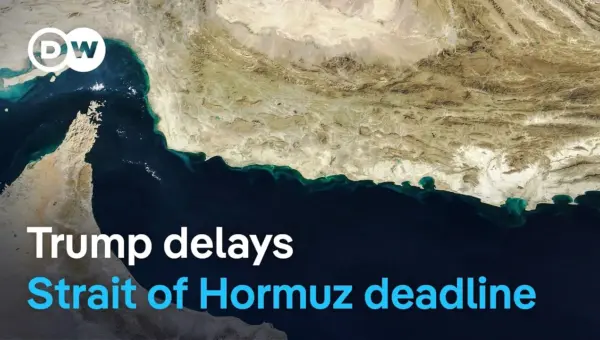
Trump Delays Iran Strike Deadline Amidst Shifting Diplomacy
President Donald Trump has extended his deadline for potential strikes on Iranian energy plants to April 6th, amid reports of U.S.-Iran diplomatic talks mediated by Pakistan. This move comes as Israel continues its strikes on Iran and the U.S. deploys additional military assets to the region. Analysts point to mixed signals, economic pressures, and strategic miscalculations as key factors shaping the evolving situation.
Iran War Claims Ring Hollow as US Troops Injured in New Attack
Days after Donald Trump claimed "we've won" the war with Iran, a new attack injured approximately a dozen U.S. troops and damaged aircraft. This incident contradicts Trump's assertions of victory and raises serious questions about the strategy and reality of the ongoing conflict.