Iran Missiles Target Diego Garcia Base, Reports Say
Iran has reportedly launched ballistic missiles toward the U.S.-U.K. military base on Diego Garcia, though initial reports indicate the base was not hit. This event highlights Iran's potential missile range, exceeding previous claims. The ongoing conflict continues to impact regional stability, tourism, and global energy markets.

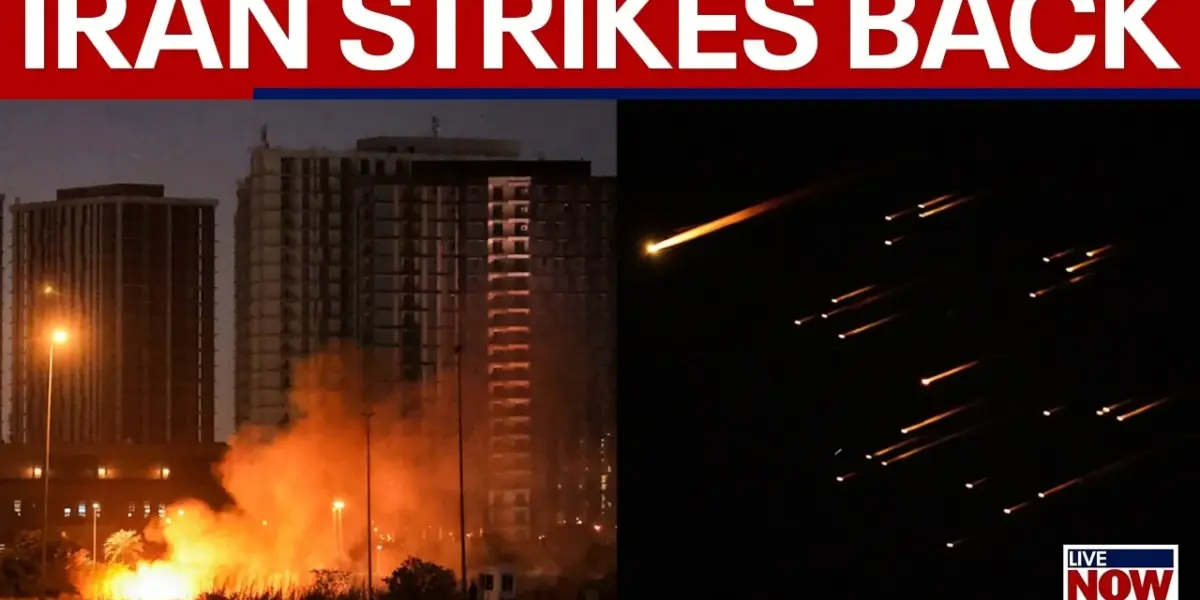
Iran Fires Missiles Toward US-UK Base
Iran has reportedly fired ballistic missiles toward the U.S.-U.K. military base on Diego Garcia, an island in the Indian Ocean. While Iran claims the launch shows the reach of its missiles, initial reports suggest the base was not hit. This event comes amid ongoing tensions and Operation Epic Fury.
Missile Range Exceeds Claims
The reported missile launch is significant because it appears to exceed Iran’s previously stated missile capabilities. Just a few weeks ago, Iran’s foreign minister said the country did not possess missiles with a range greater than 2,000 kilometers (about 1,200 miles). The missiles fired toward Diego Garcia, however, seem to have a range twice that distance. This discrepancy raises questions about Iran’s transparency regarding its missile program.
For years, Iran has been suspected of developing its ballistic missile program under the guise of a civilian satellite launch program. Intelligence agencies and members of Congress have expressed concern that Iran was secretly advancing its missile technology. The recent launch suggests that Iran still possesses considerable military capability, even weeks into the current conflict.
Widespread Drone and Missile Attacks
While the reported missile launch towards Diego Garcia may not have caused damage, Iran has been active in launching drones and missiles across the region. Dozens of drones have been launched from Iran in recent weeks, with some successfully evading missile defense systems. These attacks have impacted areas like the United Arab Emirates and Kuwait. One drone even reached Saudi Arabia, hitting an oil refinery on the Red Sea coast.
These attacks are particularly concerning for Gulf Arab states, given their proximity to Iran. The UAE, for instance, is only about 45 miles from Iran at its closest point. Iran’s actions appear aimed at escalating the conflict into a regional war, fulfilling a past pledge by its late leader.
Impact on the UAE and Regional Relations
The United Arab Emirates has been a frequent target, experiencing over 2,000 drone and ballistic missile launches. While the UAE reports successfully intercepting most of these threats, the constant alerts create a sense of unease. Residents receive mobile phone alerts, similar to weather warnings for severe storms.
Despite the increased attacks, the conflict has not fractured the relationships between Gulf Arab leaders and Washington. In fact, the UAE has reaffirmed its commitment to investing $1.4 trillion in the United States. The UAE is also prioritizing the purchase of advanced air defense systems, including a $4.5 billion THAAD anti-missile system.
Tourism and Business Decline
The ongoing conflict has had a severe impact on tourism and business in Dubai. Over the past three weeks, hotel occupancy has dropped dramatically, with some hotels closing down. Popular tourist spots have become notably quiet, and many businesses have advised employees to work from home or leave the region.
Over 60,000 Americans have reportedly left the Middle East. While Emirates airline is working to restore flight schedules, the number of daily flights has significantly decreased. Even educational institutions have moved to remote learning, mirroring measures seen during the COVID-19 pandemic. The atmosphere in the city feels subdued, even during festive periods like Eid, which marks the end of Ramadan, and Nowruz, the Persian New Year.
Economic Consequences and War Aims
The conflict is also causing significant economic disruption. Attacks on oil and gas fields have reduced oil flows, impacting global energy markets. The Strait of Hormuz, a critical chokepoint for oil exports, remains a concern. Analysts warn that prolonged conflict could lead to a sharp increase in oil prices, potentially reaching $180 per barrel, with jet fuel prices also soaring.
There are discussions about potentially winding down the conflict. President Trump has suggested considering an end to the war, partly due to pressure from Gulf States who wish to avoid further escalation. However, some factions advocate for continuing military action to destroy ballistic missiles and neutralize threats.
Military Objectives and Future Outlook
The U.S. military’s objectives include securing the Strait of Hormuz and destroying Iranian drones and ballistic missiles. Recent operations have involved significant strikes, including bunker-busting bombs and naval actions against over 130 ships. Despite these efforts, Iran appears to retain some capability, as evidenced by the recent missile launch.
The situation remains complex, with ongoing drone and missile attacks, though at a reduced rate compared to the war’s initial stages. The command and control structure within Iran’s Islamic Revolutionary Guard Corps (IRGC) is being closely watched for any signs of further escalation or de-escalation. The region’s stability continues to be a primary concern for global energy markets and international relations.
Source: Iran fires missiles at US-UK military base Diego Garcia (YouTube)

Related Articles
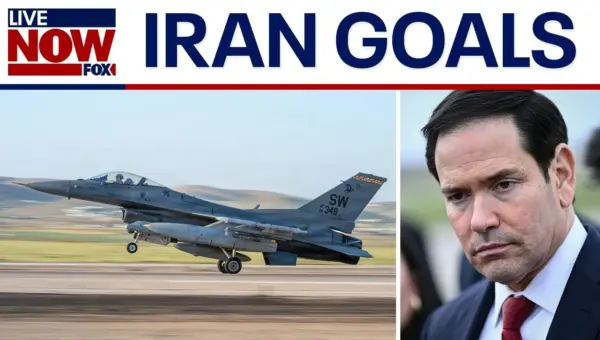
Rubio: US Can Achieve Iran War Goals Without Troops
Senator Marco Rubio outlined a strategy to counter Iran without deploying U.S. ground troops, focusing on weakening the regime and enhancing maritime security. He also criticized Cuba's economic system and expressed concerns about West Bank violence.


Israelis Forge Resilience Amidst Constant Bomb Shelter Drills
Life in Israel is a blend of resilience and constant vigilance, with many families adapting to frequent bomb shelter drills and even sleeping in makeshift shelters. Despite ongoing missile attacks, Israelis strive to maintain normalcy, though businesses face disruption and emotional fatigue is a growing concern.

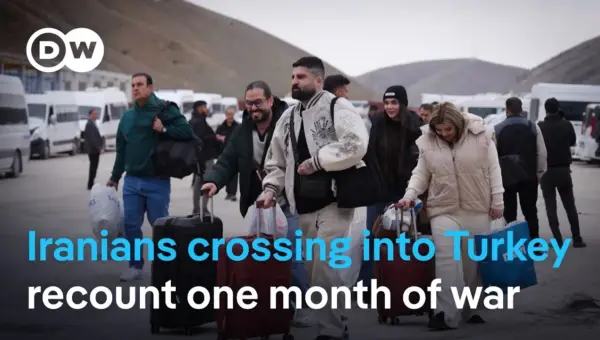
Iran War Exodus: Refugees Flee to Turkey Amidst Bombings
A train from Tehran brings refugees to Turkey, fleeing daily bombings and economic collapse. Many express deep fear for loved ones left behind, while some hold onto national pride and hope for victory. The conflict's impact is also felt economically in Turkey, with rising gas prices.