DOJ Lowers Bar, Risks New Lawyers’ Careers
The Department of Justice is facing a severe staffing shortage, leading to the suspension of experience requirements for new lawyers. This move risks the careers of recent graduates who may be unaware of the potential legal and professional repercussions.

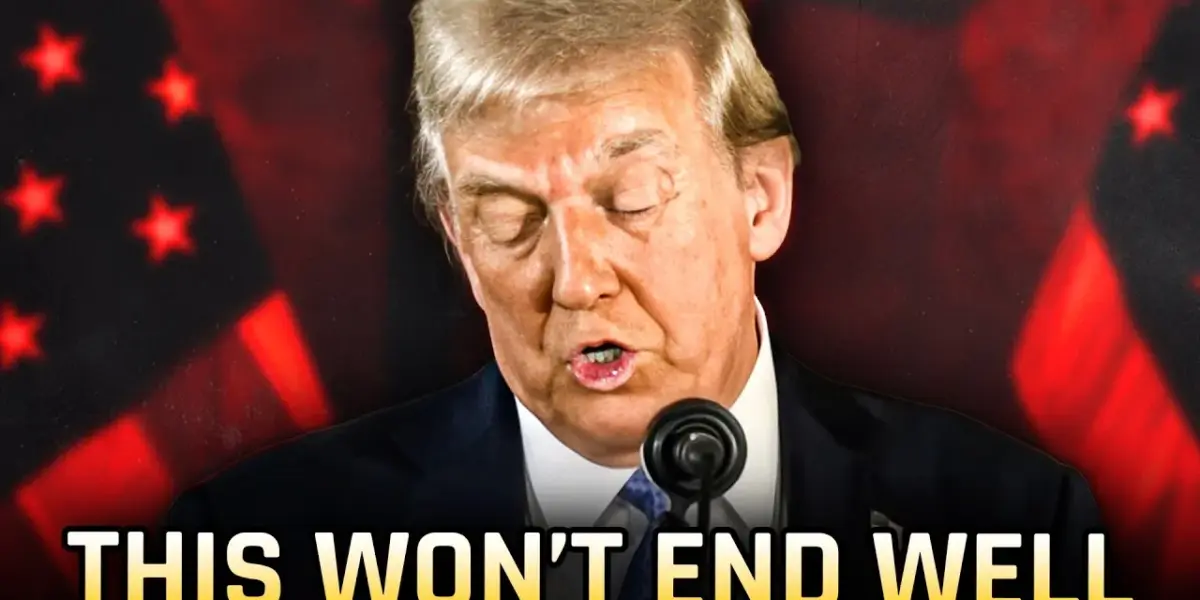
DOJ Faces Staff Exodus, Drops Hiring Standards
The Department of Justice (DOJ) is facing a significant staffing crisis. More than half of its employees have left in the first year under new leadership. The department started with around 10,000 people but now has only about 4,500. Many of those who left were lawyers.
This leaves the DOJ in a tough spot, needing to hire many new lawyers quickly. However, attracting legal talent has become incredibly difficult. Lawyers are reportedly hesitant to join because, over the past year, the DOJ’s legal team has faced many losses in court. Judges have criticized their actions, and some lawyers could even lose their licenses to practice law.
New Policy: No Experience Needed
Faced with this hiring challenge, the DOJ has decided to lower its standards. For the next year, there will be no experience requirement to become a lawyer at the department. This means someone could graduate from law school today and start working as a prosecutor for the U.S. Department of Justice tomorrow.
This new policy allows recent graduates, with no prior courtroom experience, to step directly into crucial legal roles. The memo announcing this change states the suspension of the experience requirement is in effect until February 28, 2027. It was put in place because of an urgent need to hire attorneys across the department.
Historical Context and Scale of Departure
The American Bar Association reports that the number of attorneys at the DOJ has drastically decreased. Before the current administration, the department had roughly 10,000 attorneys. Since the start of the second term of the Trump administration, about 5,500 employees, not all of whom were lawyers, have either been fired, resigned, or retired.
This mass departure creates a vacuum that the new policy attempts to fill. The sheer number of people leaving suggests a significant disruption within the department’s operations and legal capacity.
DOJ’s Justification and Political Rhetoric
A DOJ spokesperson defended the new policy, emphasizing the department’s commitment to empowering young and passionate prosecutors. They stated that under Attorney General Bondi and Deputy Attorney General Blanch, the DOJ offers attorneys at all levels opportunities to contribute to community safety. The spokesperson also included a jab at the previous administration, saying the DOJ is protecting communities from “predators the previous administration welcomed with open arms.”
“Under the leadership of Attorney General Bondi and Deputy Attorney General Blanch, the Department of Justice is proud to empower young and passionate prosecutors and offer attorneys at every level the opportunity to invest their talents into keeping their communities safe, including from the predators the previous administration welcomed with open arms.”
The inclusion of this political statement, even when discussing a policy change unrelated to past administrations, highlights a pattern of partisan messaging. Critics argue that this kind of rhetoric distracts from the actual policy and its potential consequences.
Risks for New Lawyers
The core concern raised is the potential harm to the young lawyers who take these positions. Without experience and potentially being asked to perform tasks that push legal boundaries, these new attorneys could jeopardize their law licenses. The intense legal scrutiny and potential for losing their ability to practice law could mean their years of legal education become worthless.
The argument is that these individuals, eager for a career in law, may not fully understand the risks. They might accept the positions without realizing the potential for their careers to be derailed before they truly begin. This situation is seen as particularly troubling because the department is recruiting individuals who are least equipped to navigate such challenges.
Career Implications
The long-term impact on these young lawyers’ careers is a major worry. If they join the DOJ under these conditions, future employers might view their experience negatively. For example, applying to a major law firm after a stint at this DOJ could lead to questions about their performance and judgment.
Imagine a scenario where a young lawyer mentions working on a specific case, only for the potential employer to discover multiple failures in front of a grand jury. This could effectively end their chances of securing a position at a reputable firm, leaving them with a damaged career path.
A Warning to Aspiring Prosecutors
The message to young lawyers is clear: if you want a lasting career in law, avoid this Department of Justice. The current situation suggests that accepting a position there could be a significant mistake, potentially leading to a dead end in their professional lives.
Why This Matters
This situation is critical because it affects the integrity of the justice system and the careers of future legal professionals. By lowering hiring standards due to an “exigent need,” the DOJ might be compromising the quality of justice it can deliver. New lawyers, lacking experience and potentially pressured into questionable actions, could face severe professional consequences.
The politicized language used by the DOJ spokesperson also raises concerns about transparency and professional conduct. Such rhetoric can undermine public trust in the department. Ultimately, this policy could lead to a generation of lawyers whose early careers are damaged, impacting the legal profession for years to come.
Future Outlook
The DOJ’s decision to suspend experience requirements is a temporary measure, set to last until February 2027. However, the damage to the careers of those who accept these roles could be long-lasting. The effectiveness of the department’s legal work, and its ability to attract experienced talent in the future, remains uncertain.
The long-term consequences depend on how this period is managed and whether the department can rebuild its reputation and attract qualified legal professionals once the temporary measure expires. The trend of political interference in professional standards could also set a worrying precedent for other government agencies.
Source: DOJ Collapses As They Lower ALL Standards (YouTube)

Related Articles

Epstein Survivors Sue U.S. Government Over Data Release
Epstein survivors have filed a historic class-action lawsuit against the U.S. government and Google. They allege the Trump administration carelessly released Epstein files, exposing victims' private information. The suit claims Google profited from this data, leading to further retraumatization.

U.S. Cracks Down on Fraud With New Anti-Fraud Task Force
The U.S. government has launched a new anti-fraud task force aimed at tackling widespread fraud in federal programs. Vice President Vance highlighted the need for a "whole of government approach" to stop the theft of taxpayer dollars and protect vital services for citizens. The initiative seeks to restore public trust by increasing accountability and strengthening fraud protections.

Bob Mueller Remembered for Integrity, Public Service Legacy
Robert Mueller, a former FBI Director and Special Counsel, is being honored for his decades of unwavering integrity and dedication to public service. His nonpartisan approach to investigations, particularly the Trump-Russia probe, is highlighted as a model for public officials. Colleagues remember his deep commitment to accountability and loyalty, marking him as a rare figure in American public life.