US Democracy Crumbles: Experts Sound Alarm on Backsliding
A new report from the Varieties of Democracy Institute warns that the U.S. is experiencing the most severe democratic backsliding in its history. Experts find the speed of this decline alarming, potentially taking a generation to repair.

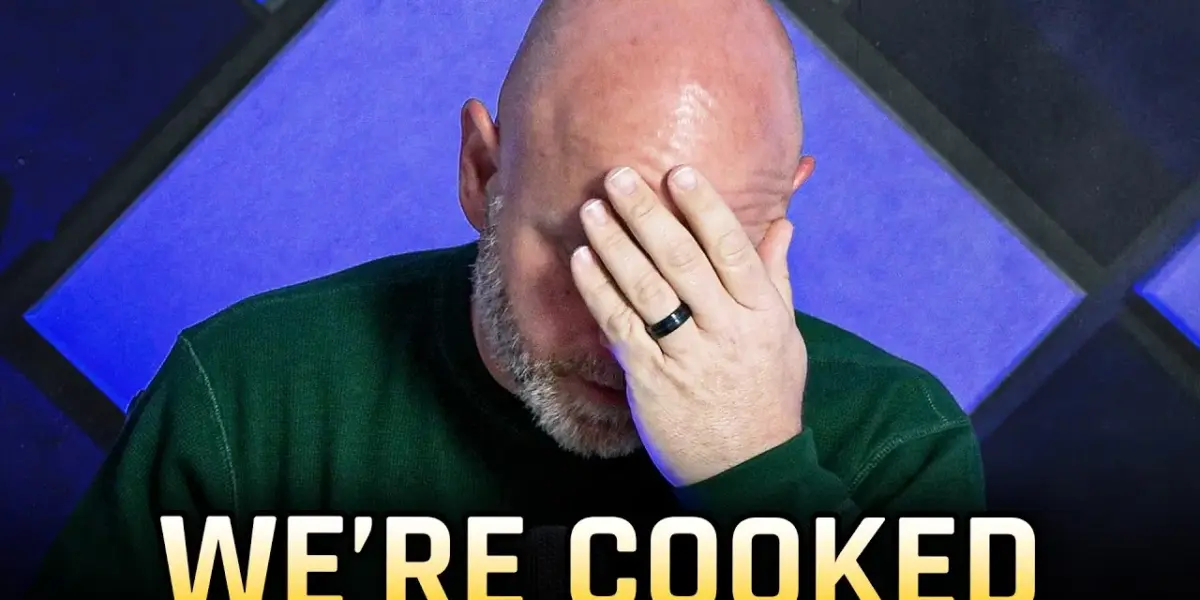
US Democracy Faces Severe Decline, New Report Warns
A recent report from the Varieties of Democracy Institute at Gothenburg University in Sweden has delivered a stark warning: the United States is no longer considered a functioning democracy. This finding, based on data tracking countries’ democratic health worldwide, suggests a significant and rapid decline in American democratic institutions.
Understanding Democracy and Republics
Before diving into the report’s findings, it’s important to clarify terms. While some may argue the U.S. is a republic, not a democracy, the reality is more nuanced. The U.S. is technically a democratic republic. In a pure democracy, citizens vote directly on laws. In a republic, citizens elect representatives who then make laws. A democratic republic combines these, with elected officials making laws. The report’s authors acknowledge that pure democracies are rare, but their concern lies with the erosion of the democratic elements within the U.S. system.
Unprecedented Democratic Backsliding
According to Stellan Lindberg, founder of the Varieties of Democracy Institute, the data on the U.S. stretches back to 1789. He states that the current level of democratic backsliding is the most severe ever recorded in the country. Lindberg points to other nations where democratic decline has occurred, such as Hungary, Serbia, Turkey, and India. For these countries, the suppression of democratic institutions took several years, often under leaders like Orbán, Erdoğan, or Modi.
However, the report highlights that Donald Trump achieved a similar level of democratic erosion in just one year during his presidency. Lindberg notes that leaders like Trump, Orbán, Erdoğan, and Modi are often labeled as authoritarians or fascists. The speed at which democratic institutions were weakened under Trump’s first year in office, compared to the longer periods seen in other nations, is particularly alarming to the researchers.
Mechanisms of Decline
The report details some of the ways this backsliding has occurred. During Trump’s first year, he issued 225 executive orders, while the Republican-controlled Congress passed only 49 new laws. This suggests a significant reliance on executive actions rather than legislative processes. Furthermore, the report indicates that the Supreme Court has largely stepped back from its role. Even when the court has ruled against Trump’s executive orders, he has often found ways to bypass these decisions.
Lindberg also points out the sheer volume of legal challenges against the Trump administration, with over 600 ongoing judicial procedures. The report’s conclusion is that the country is being actively harmed, a finding not based on U.S. political opinions but on the objective monitoring by experts.
Global Perspective and Independence
A crucial aspect of this report is its origin. The Varieties of Democracy Institute is a Swedish institution that monitors democratic health in every country globally. This international perspective means the findings are not influenced by U.S. political biases or corporate interests. The researchers have no specific agenda regarding the U.S., making their assessment of democratic backsliding more credible and objective.
Long-Term Implications and Future Outlook
The damage to democratic institutions, according to the report, may take a generation to repair. Lindberg suggests that simply returning the U.S. to its previous state will require at least 25 years. This does not mean progress will be linear; there will likely be periods of improvement and further setbacks during the rebuilding process.
Perhaps the most unsettling conclusion from the report is the uncertainty about whether there will be enough of the country left to rebuild. The experts are raising the possibility that the damage could be so severe that fundamental structures might not survive. This raises profound questions about the resilience of American democracy and the long-term consequences of political polarization and the erosion of institutional norms.
Why This Matters
This report is significant because it moves beyond partisan talking points to offer an expert, data-driven assessment of American democracy. The speed and severity of the reported backsliding are particularly concerning. It suggests that democratic norms and institutions, often taken for granted, can be weakened much faster than previously understood. The findings also highlight the importance of independent, global institutions in holding powerful nations accountable and providing objective analysis.
Historical Context
The U.S. has a long history of democratic development, marked by periods of expansion and contraction of rights and participation. From the founding of the republic to the Civil Rights Movement, the nation has continually grappled with its democratic ideals. This report suggests a current period of contraction, distinct from past challenges due to its speed and the specific mechanisms cited, such as the increased use of executive orders and the perceived weakening of judicial oversight.
Trends and Future Outlook
The report points to a worrying trend of democratic backsliding not just in the U.S. but globally. The rise of populist leaders and the challenges to established democratic norms are observable in many countries. The U.S. report suggests that even established democracies are vulnerable. The future outlook depends on how effectively the country can address the issues raised by the report, rebuild trust in institutions, and strengthen its democratic foundations. The long-term consequences of this period of decline, if not reversed, could reshape the nature of American governance and its role in the world.
Source: This isn’t good AT ALL (YouTube)

Related Articles


Jane Fonda Warns of ‘Existential Crisis’ Amid Protests
Jane Fonda has issued a stern warning about widespread attacks on the First Amendment, urging Americans to defend their freedoms. The veteran activist highlighted the growing number of large-scale protests as a sign of public concern and a crucial opportunity to address both democratic erosion and the climate crisis.
House Republicans Reject Senate Deal, Sparking Government Funding Clash
House Republicans have rejected a Senate bill to end the government shutdown, citing insufficient border security measures. Congressman Randy Fine called the Senate deal a "disgrace" and highlighted the ongoing fight for full government funding. President Trump's executive order to pay TSA agents offers temporary relief, but the core disagreement over border security continues to paralyze Washington.

Voter ID: Common Sense or Suppression?
A growing debate surrounds voter ID laws, with proponents calling them a common-sense measure against fraud and opponents fearing voter suppression. Many countries and U.S. states already require ID to vote.