Ex-CIA Chief: No Rationale for Iran War, Lies Fuel Conflict
Former CIA Director John Brennan argues there is "no rationale" for the current U.S. military actions in Iran, suggesting lies are being used to justify a war. He criticizes the White House's disregard for intelligence and warns of a potential "quagmire" with dangerous long-term consequences for national security. The conflict also appears to benefit Russia, while U.S. global standing suffers.

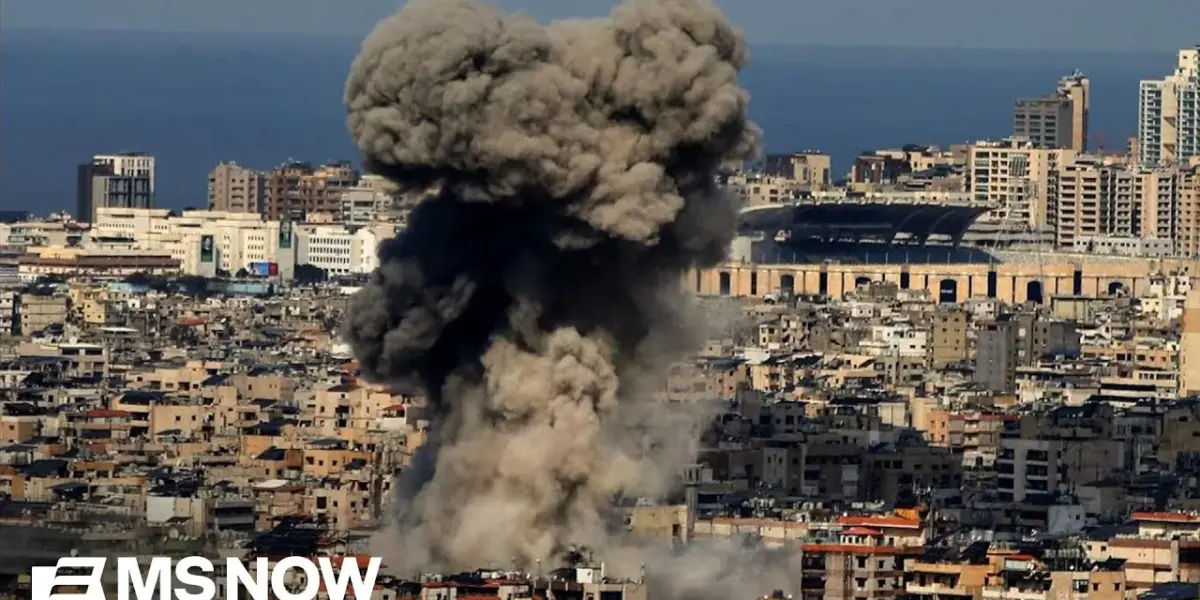
Ex-CIA Chief Slams Iran Conflict Justification
Former CIA Director John Brennan is strongly criticizing the rationale behind the United States’ military actions in Iran, stating there is “no rationale for the war.” Speaking at the National Intelligence University, Brennan questioned the understanding of imminent threats within the intelligence community and suggested that false justifications are being used to lead the nation into conflict. He believes the current situation shows a disregard for intelligence professionals and historical context.
Defining ‘Imminent Threat’
Brennan explained that during his 33 years in the intelligence community, an imminent threat meant something that needed immediate action. “Usually imminent means that if you don’t take advantage of this opportunity now you’re not going to be able to stop whatever threat is coming,” he said. This means it’s on the horizon, coming sooner rather than later. However, Brennan stated he has seen no intelligence suggesting Iran posed an imminent threat, either militarily, nuclearly, or from terrorism, that would justify invading Iranian airspace or bombing the country.
Concerns Over White House Decision-Making
The former CIA chief expressed concern over how decisions are being made in the White House. He suggested that the Director of National Intelligence (DNI) might be trying to protect herself by stating the president alone decides what is imminent. Brennan noted that past presidents he worked with listened to intelligence assessments. He also pointed to a significant change at the National Security Council (NSC), where many experienced staff have reportedly been removed. This shift, he believes, leads to a lack of the thorough discussions needed for informed presidential decisions.
Disregard for Intelligence Professionals
Brennan feels there is an “utter disregard for the intelligence professionals” whose assessments are being pushed aside. He recalled that policy discussions in the White House Situation Room traditionally began with an intelligence briefing. This briefing would then inform policy options to address any confirmed imminent threats. Today, he senses that these professional assessments are not being taken seriously. This, along with ignorance of regional history and current dynamics, contributes to flawed policy choices. He specifically mentioned Senator Marco Rubio, who he believes should know better but still allows policies that worsen the situation.
Russia-Iran Alliance and Sanctions Easing
The conversation also touched upon Russia sharing satellite imagery and drone technology with Iran. Brennan found this unsurprising, given Iran’s support for Russia in Ukraine. He warned that Russian targeting information provided to Iran could eventually lead to American casualties. Furthermore, the decision to drop sanctions on Iranian oil was seen as problematic. Brennan explained that the money flowing into Iran from oil sales would sustain its government and military. This policy, he argued, shows inconsistency, attempting to ease global oil market pressures while allowing Iran to benefit.
Entering a ‘Quagmire’
Brennan fears the U.S. is entering a “quagmire” in Iran because the administration lacks a clear way out. He believes the war should never have started. If the U.S. increases its military involvement, especially by bringing in Marines, it will put American service members at risk. He suggested a pause is needed to assess the devastation caused and the long-term consequences. Instead of escalating, he advocates for stepping back. Brennan drew parallels to the Iraq War, which took 20 years to exit, warning that failure to stop the current military campaign could lead to a similar, prolonged, and dangerous situation for U.S. national security.
Global Implications and Putin’s Gain
The discussion highlighted how the conflict benefits Russian President Putin. With sanctions eased on Iranian oil, Russia can now sell its own oil at higher prices. This relaxation of sanctions, along with the global instability, fills Russia’s coffers and improves its standing. Brennan noted that this U.S. military adventurism damages America’s global reputation, making the situation even worse than the Iraq War in some respects. He also expressed concern for the Iranian people, who are suffering, and criticized the lack of focus on their plight by U.S. leadership.
Source: John Brennan on Iran conflict: "There is no rational for the war" (YouTube)

Related Articles


Stocks Ignore War Risks, Focus on “Taco Moments”
Stock markets appear to be overlooking the severe supply chain risks stemming from the Iran conflict, focusing instead on potential diplomatic de-escalations. While the S&P 500 shows resilience, bond and commodity markets signal deep concern over disruptions to critical resources like LNG, helium, and fertilizers.
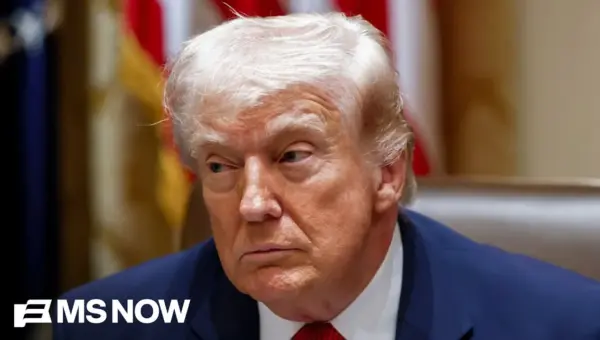
Iran War Claims Ring Hollow as US Troops Injured in New Attack
Days after Donald Trump claimed "we've won" the war with Iran, a new attack injured approximately a dozen U.S. troops and damaged aircraft. This incident contradicts Trump's assertions of victory and raises serious questions about the strategy and reality of the ongoing conflict.
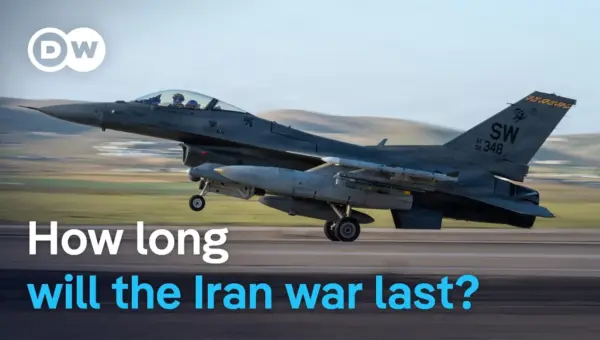
US Official Claims Iran War Could End Soon; Expert Skeptical
Despite US envoy Steve Woff's optimism about imminent talks and a swift end to the conflict with Iran, expert Aaron David Miller expresses significant doubt. Miller argues that a lack of shared urgency and fundamental miscalculations by the US administration make a quick resolution unlikely.