Ex-CIA Chief Rips Trump Admin’s Iran War Justifications
Former CIA Director John Brennan sharply criticized the Trump administration's justifications for military action against Iran, calling claims of an imminent nuclear threat false. He argued that intelligence did not support the rationale for war and highlighted divisions within the intelligence community.

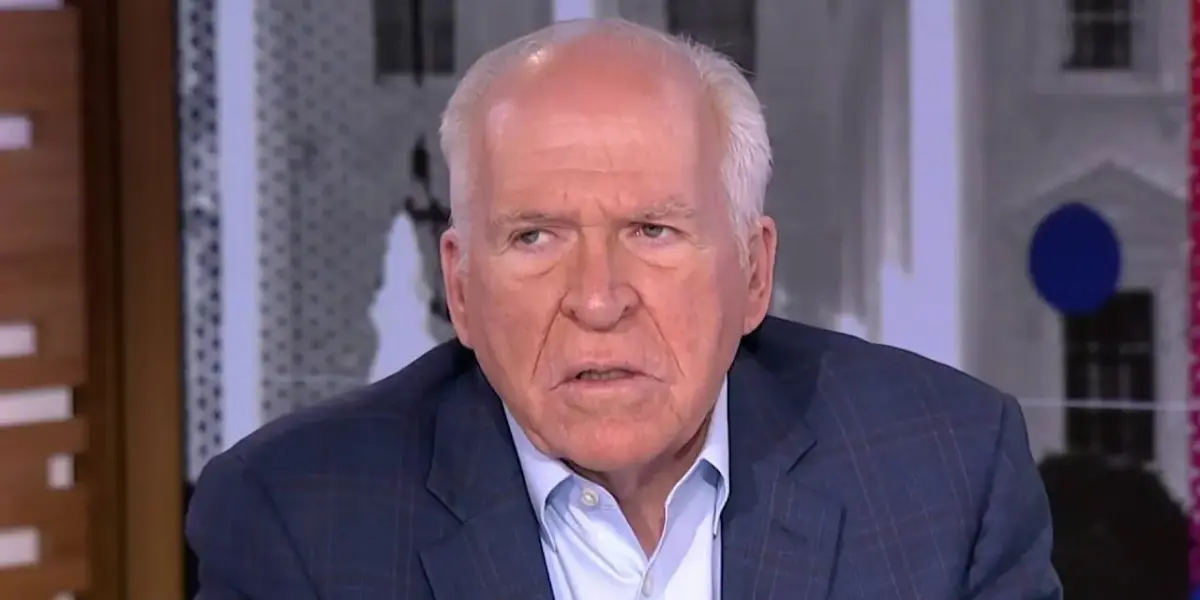
Former CIA Director John Brennan Criticizes Trump Administration’s Claims on Iran Threat
Former CIA Director John Brennan has strongly criticized the Trump administration’s justifications for military action against Iran, calling the claims of an imminent nuclear threat a fabrication. Brennan, speaking on MSNBC, argued that the administration’s rationale for escalating tensions with Iran is not supported by intelligence. He stated that the intelligence community’s assessments did not show an immediate danger from Iran’s nuclear program.
Intelligence Community Contradictions Emerge
The controversy centers on statements made by the Director of National Intelligence (DNI), who, when questioned by Congress, appeared to distance herself from claims of an imminent threat. She stated that determining what constitutes an imminent threat is the President’s sole responsibility. This stance contradicts the traditional role of intelligence agencies, which is to provide objective assessments to policymakers.
Brennan, with over 30 years of experience in intelligence, explained that the concept of an “imminent threat” typically means something that is about to happen and requires immediate action. He stated that there was no intelligence indicating such a threat from Iran, either regarding its ballistic missile capabilities, nuclear program, or terrorist activities. Brennan believes these claims are being used to justify a war that has no real basis.
“The lies are coming fast and furiously as a way to justify the rationale for the war and there really is no rationale for it.”
Resignations Highlight Deep Divisions
The situation was further complicated by the resignation of Joe Kent, a counterterrorism official, who also cited the lack of an imminent threat from Iran. Brennan suggested that the DNI’s statements might be a way to protect herself, especially since she has previously expressed opposition to bombing Iran.
Brennan recalled his time working under previous administrations, where intelligence assessments were taken seriously by presidents. He noted that there was a system in place to ensure presidents made informed decisions. He expressed concern that the current National Security Council (NSC) has undergone significant changes, potentially compromising the integrity of intelligence input.
Disregard for Intelligence and Professionals
Brennan pointed to an “utter disregard for the intelligence professionals” within the administration. He explained that policy discussions traditionally begin with an intelligence briefing, which then informs the range of options. However, he feels that these crucial intelligence assessments are not being taken seriously in current discussions.
He also criticized lawmakers like Marco Rubio, who has extensive experience, for allowing the administration to pursue policies that worsen the situation. Brennan believes there is a significant lack of understanding or a deliberate ignorance of the long-term consequences of actions taken against Iran.
Impetuous Decisions and Geopolitical Fallout
Brennan described President Trump as an “impetuous individual” whose decisions are often based on personal feelings or encouragement from others. He suggested that Israeli Prime Minister Benjamin Netanyahu, who has long sought to confront Iran, likely influenced Trump’s actions. Brennan feels that the implications of these decisions were not fully considered, leading to inadequate planning for potential outcomes, such as evacuating citizens or safeguarding allies.
The administration’s handling of the situation has also been criticized for its inconsistent messaging and failure to involve Congress. Brennan highlighted a lack of proper preparation and planning for such a significant and long-lasting action.
Russia-Iran Ties and Sanctions Relief Raise Concerns
The article also touches upon recent developments regarding Russia and Iran. The Wall Street Journal reported that Russia is sharing satellite imagery and drone technology with Iran. This comes as the U.S. Treasury Secretary announced the lifting of sanctions on Iranian oil.
Brennan found Russia’s support for Iran unsurprising, given Iran’s support for Russia in Ukraine. He warned that Russian assistance to Iran could eventually lead to the deaths of U.S. soldiers. The decision to lift sanctions on Iranian oil means that money will now flow to Iran, potentially funding its military. Brennan sees this as an inconsistency in policy, aiming to ease global energy pressures while allowing Iran to benefit.
Entering a “Quagmire”
Brennan expressed serious concerns about the U.S. “entering this quagmire” in Iran. He believes the Trump administration lacks a clear exit strategy. He argued that increasing military involvement, such as deploying Marines, would put American service members at risk.
Brennan called for a pause to reassess the situation, noting the devastation already caused to Iran’s military and infrastructure. He fears that doubling down on military action will only worsen the situation and make the U.S. presence vulnerable. He drew parallels to the lengthy U.S. involvement in Iraq, suggesting that failure to halt the military campaign now could lead to a prolonged and dangerous engagement.
The discussion also referenced comments from Amos Hochstein, a former advisor to President Biden, who stated that Russian President Putin is a clear winner in this situation. Putin benefits from increased oil prices and revenue, as the relaxation of sanctions allows for greater sales. This situation is seen as damaging to the U.S. global reputation and standing.
Looking Ahead
The ongoing developments highlight significant questions about the intelligence underpinning U.S. foreign policy decisions and the administration’s strategy in the Middle East. The long-term consequences of these actions, both domestically and internationally, remain a critical area to monitor.
Source: ‘The lies are coming fast and furiously’: Fmr. CIA Director slams Trump admin over nuclear claims (YouTube)

Related Articles

Iran Hacks FBI Chief, Exposing U.S. Cyber Vulnerabilities
A recent hack of FBI Director Kash Patel's personal email by an Iran-linked group highlights Iran's growing cyber threat to the U.S. Experts explain how simple security oversights are exploited, emphasizing the need for basic defenses like two-factor authentication to protect against propaganda and potential infrastructure attacks.


DHS Funding Crisis Sparks Chaos, Congressman Blames Poor Communication
Congressman Darrell Issa blames "failure to communicate" for the DHS funding crisis leading to unpaid TSA agents and airport chaos. The House is preparing a short-term bill as security concerns rise.

DOJ Official’s Remarks Spark Outrage Over Political Allegations
A top Trump DOJ official's speech at CPAC has sparked controversy, with claims of incriminating admissions regarding fears of prosecution and alleged political motivations. The remarks have raised serious questions about impartiality within the Department of Justice.