Iran Conflict Jolts Global Energy, Threatens US Economy
The US is lifting sanctions on Iranian oil to combat rising energy prices caused by a conflict involving Iran. This move aims to ease economic pressure on American households and potentially avert a recession, though global market reactions remain uncertain.

Iran Conflict Jolts Global Energy, Threatens US Economy
The United States is lifting sanctions on Iranian oil. This move aims to ease pressure on global energy markets. The decision comes as a conflict involving Iran sends oil prices soaring. This rise in prices is causing worries about a possible economic slowdown, or recession. The impact is being felt by American families, with gas prices climbing sharply.
Gas prices are nearing $4 a gallon, a jump of nearly a dollar in just three weeks. Diesel fuel, essential for trucking and industry, is even higher, costing over $5 a gallon. This is the first time diesel prices have reached such a high level in about three years. Diesel prices are rising faster than ever before. While this might not affect households immediately, it will soon. Higher shipping costs mean higher prices for almost everything we buy.
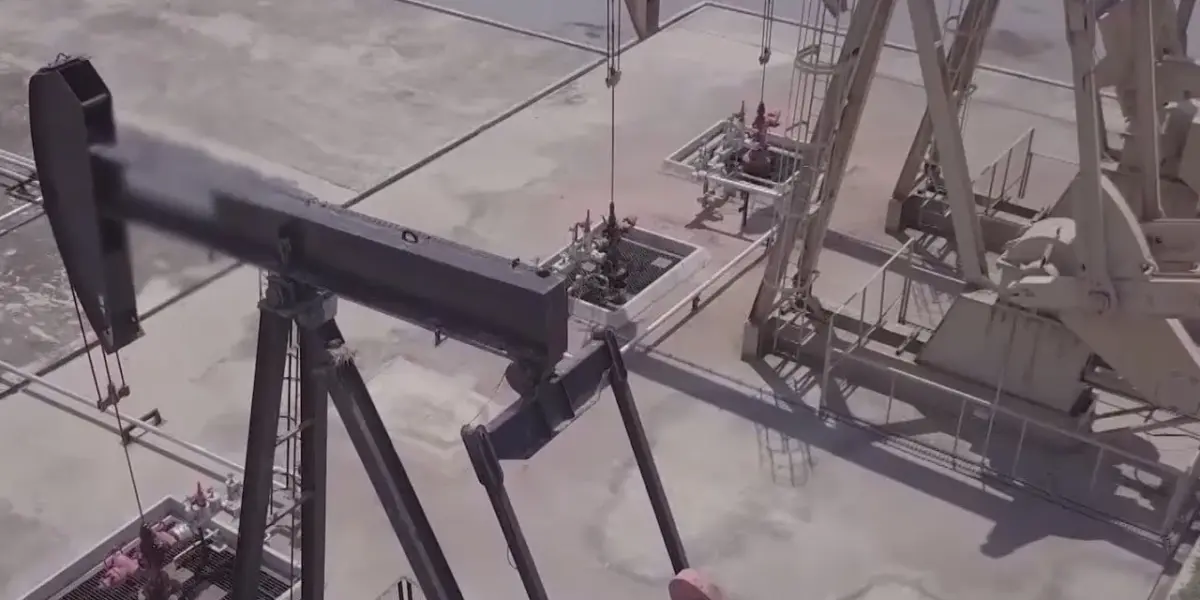
Experts point to specific sectors feeling the pinch. Goods from transportation, construction, and agriculture are seeing increased costs. This is because these industries rely heavily on diesel for their equipment and shipping. A graphic showing the hidden costs of operations highlights that oil and gas are more expensive than many people realize. This situation goes beyond just fuel prices.
Broader Economic Domino Effect
The conflict’s impact extends to the wider economy. If the economy slows down, job losses could follow. This would be a bigger problem than just paying more for gas and goods. Wall Street is already seeing worrying signs. Some experts compare the current situation to the period before the 2008 recession. Investors are preparing for an economic slowdown.
We are seeing signs like a sell-off in Treasury bonds. Stock markets have been falling for the past four weeks. The Dow Jones Industrial Average is down 8.6% from its record high in February. The Nasdaq composite index has fallen 8.7%. This suggests the market is moving towards a correction, which is when markets drop 10% to 20%. This matters for the overall economy. It also affects millions of Americans who have retirement savings tied to the stock market.
About 60% of Americans have some connection to the stock market through 401(k)s or other investments. This means many people are losing money for their future retirement. At the same time, they are paying more for everyday necessities. This combination of rising costs and potential loss of savings creates significant financial pressure on households.
Historical Context and Global Energy Dynamics
The current situation echoes past energy crises. Major disruptions in oil-producing regions have historically led to price spikes and economic uncertainty. For instance, the 1973 oil crisis, triggered by an Arab oil embargo, caused widespread economic hardship in the United States and other Western nations. More recently, the 2014 oil price collapse demonstrated how quickly global supply and demand can shift, impacting economies worldwide.
Iran’s role in the global oil market is significant, even with sanctions. Before sanctions were tightened, Iran was a major oil exporter. Lifting sanctions could potentially bring more Iranian oil back into the market. This could help lower global prices. However, the effectiveness of this move depends on several factors. These include how quickly Iranian oil production can increase and how other oil-producing nations respond. The geopolitical tensions surrounding Iran also create uncertainty.
Economic Leverage and Geopolitical Interests
Sanctions are a key tool in international diplomacy. The Trump administration’s earlier decision to impose sanctions aimed to pressure Iran over its nuclear program and regional activities. Lifting these sanctions now signals a shift in strategy, prioritizing energy market stability over maximum pressure. The United States has an interest in keeping energy prices low to support its economy and consumers.
Other major players also have stakes. European nations, heavily reliant on imported energy, are particularly sensitive to price fluctuations. Russia, a major oil and gas producer, could see its influence affected by changes in global supply and prices. China, a massive energy consumer, benefits from lower prices but also navigates complex relationships with Middle Eastern energy producers.
Future Scenarios and Global Impact
The lifting of sanctions could lead to several outcomes. One scenario is a significant drop in oil prices as more supply enters the market. This would ease inflationary pressures and boost consumer spending. Another possibility is that the conflict in Iran escalates, further disrupting supply and keeping prices high despite the sanctions relief.
A third scenario involves other oil producers adjusting their output in response to increased Iranian supply. This could moderate price changes. The long-term impact on the global order depends on how these factors play out. A stable energy market supports economic growth. Continued volatility could lead to greater economic hardship and potentially shift geopolitical alliances as nations seek energy security.
“Gas prices are just the beginning, but really trickling through the entire economy. We’re seeing this in a new poll… 55% of Americans are reporting financial impact from rising gas prices is a direct response to this war.”
Why This Reshapes the World Order
This decision to lift sanctions on Iranian oil is a significant move. It highlights the delicate balance between geopolitical pressure and economic stability. The interconnectedness of global energy markets means that conflicts in one region can have far-reaching consequences. For the United States, managing domestic economic concerns while navigating international relations is a constant challenge.
The situation underscores how energy security is intertwined with global politics. Nations will continue to adapt their strategies to ensure access to reliable and affordable energy. This event is a reminder that international affairs directly impact the daily lives and financial well-being of people around the world. The coming weeks and months will show how effective this policy change is in stabilizing markets and the broader economy.
Source: Infrastructure strikes in Iran war escalate global energy crisis | Morning in America (YouTube)

Related Articles
Trump Boasts Military Might, Slams Iran at Investment Summit
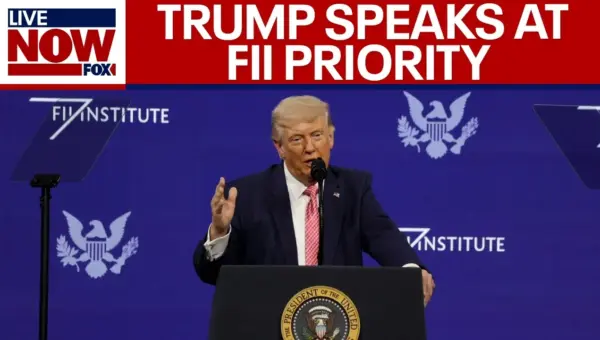
Former President Donald Trump spoke at the FII Priority Summit, detailing his administration's assertive stance against Iran and emphasizing the strength of the U.S. military. He claimed credit for dismantling Iran's military capabilities and preventing its nuclear ambitions. Trump also criticized NATO while praising Middle Eastern allies and touched on domestic issues like border security.
Pentagon Weighs 10,000 Troops for Iran Showdown
The Pentagon is reportedly weighing a significant troop increase of 10,000 soldiers to the Middle East, potentially escalating tensions with Iran. This move comes amid reports of U.S. precision strikes and interceptions of Iranian missiles by allies, raising concerns about regional stability and global oil supplies.


Iran Strikes US Base: Are We Learning from Mistakes?
A recent Iranian drone and missile attack wounded American service members and damaged aircraft in Saudi Arabia. This incident highlights concerns about military preparedness and the failure to learn from past mistakes, as exposed aircraft remain vulnerable targets. The ongoing conflict involves complex regional dynamics, including Iran's missile capabilities and the potential involvement of groups like the Houthis, raising questions about future stability.