Congress Debates War Powers and Voting Laws
Congress is holding a rare weekend session, debating a War Powers Resolution to limit the President's military authority and considering an amendment to the SAVE Act that would require proof of citizenship and photo ID for voting. These votes could significantly alter national security procedures and election laws.

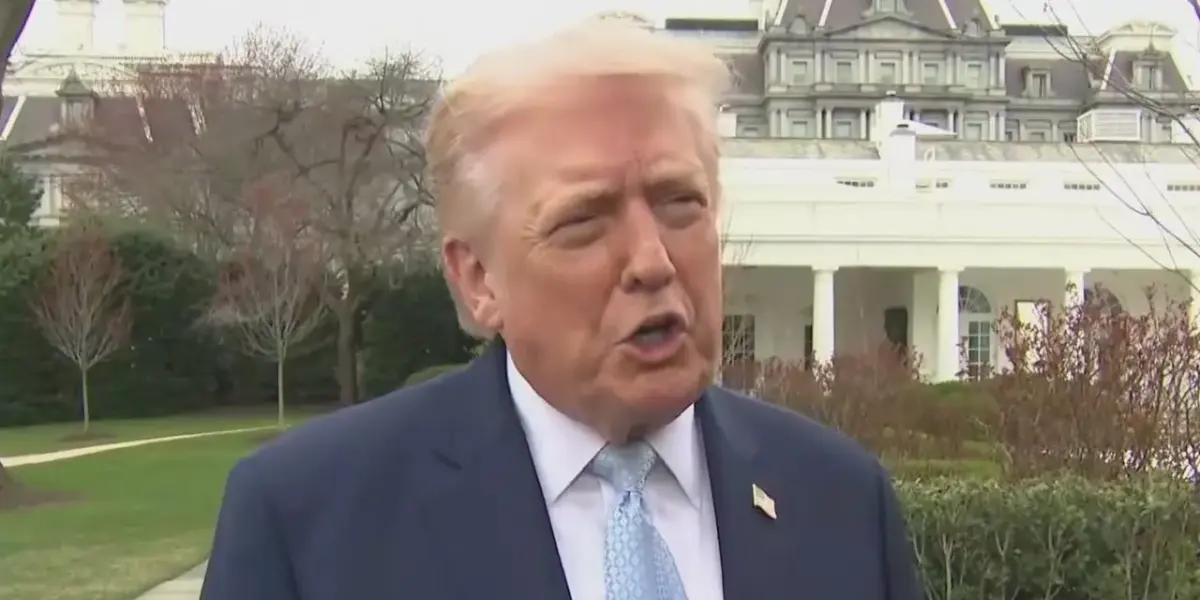
Congress Faces Crucial Votes on War Powers and Election Integrity
Congress is holding a rare weekend session to tackle two major issues: the President’s authority to engage in military action and the rules for voting in federal elections. These debates highlight deep divisions between Democrats and Republicans on national security and the electoral process.
Democrats Push to Limit Presidential War Powers
House Democrats are making a renewed effort to limit President Donald Trump’s power to conduct offensive military strikes. They plan to force a vote on a War Powers Resolution, which would require the President to get approval from Congress before launching further attacks. This follows a similar measure that narrowly failed in the House earlier this month.
The push gains new momentum as at least one Democrat, Representative Greg Landsman from Ohio, has announced he will change his vote to support the resolution. Landsman stated, “It’s time to be done. No expansion of the original operation, no ground troops.” House Minority Leader Hakeem Jeffries expressed optimism for broader support, saying, “I expect strong Democratic support… including among some who previously may have voted against it.” He added that they only need a few Republicans to join them.
Democrats are also pointing to the financial cost of ongoing military operations. The Pentagon recently requested a $200 billion aid package to fund the war effort, which will require Congressional approval. President Trump, however, has spoken positively about the military’s recent actions, describing successes in operations.
So far, 13 U.S. service members have been killed and about 200 have been injured during Operation Epic Fury. The War Powers Resolution aims to prevent further escalation and potential casualties by giving Congress a greater say in military engagements.
Senate Considers SAVE Act Amendment on Voting Rights
Meanwhile, the Senate is expected to vote around 1 PM Eastern Time on an amendment to the SAVE Act. President Trump has called the SAVE America Act one of the most important pieces of legislation in American history, stating on Truth Social, “The SAVE America Act must be passed by the Senate. There is nothing that is more important for the USA.”
The SAVE Act would require voters to show documented proof of citizenship when registering to vote and a photo ID when casting their ballot. Republicans are strongly pushing for its passage, viewing it as essential for election integrity.
Democrats argue that cases of non-citizens voting are rare and that it is already illegal for non-citizens to vote in federal elections. They believe the proposed requirements could create unnecessary barriers for eligible voters. The bill faces a significant challenge in gaining Democratic support to pass.
Global Impact
The debates in Congress reflect ongoing tensions in U.S. foreign policy and domestic governance. The potential passage of a War Powers Resolution would mark a significant shift in the balance of power between the executive and legislative branches regarding military action. This could influence how the U.S. engages in future conflicts and international crises.
On the domestic front, the SAVE Act amendment touches on fundamental questions about voting access and election security. The outcome of this vote could set precedents for how states manage voter registration and ballot casting, potentially impacting voter turnout and public trust in election results.
Historical Context
The War Powers Resolution concept dates back to the War Powers Act of 1973, passed over President Nixon’s veto. It was designed to give Congress more control over the President’s ability to commit U.S. forces to armed conflict without a declaration of war. The current debate revisits this long-standing tension between presidential authority and congressional oversight.
The discussion around voter ID laws and proof of citizenship has been a recurring theme in U.S. elections for decades. Proponents argue these measures prevent fraud, while opponents contend they disenfranchise certain groups of voters, particularly minorities and low-income individuals. The SAVE Act is the latest chapter in this ongoing national conversation.
Economic Considerations
The economic implications are also substantial. The $200 billion aid package requested for ongoing military operations highlights the immense financial resources dedicated to foreign conflicts. Congressional approval is necessary, giving lawmakers significant leverage. The potential impact on national debt and taxpayer money is a key concern for many in Congress.
While the SAVE Act primarily addresses voting procedures, debates around election integrity can indirectly affect economic confidence. Stable and trusted election processes are crucial for market stability and investor confidence both domestically and internationally.
Future Scenarios
For the War Powers Resolution, one scenario is its passage, forcing the President to seek Congressional approval for future offensive actions. This would significantly empower Congress. Another scenario is its failure, allowing the President to maintain broader discretion in military decision-making.
Regarding the SAVE Act, a successful amendment could pave the way for stricter voting requirements. Conversely, if the amendment fails, existing voting regulations might remain, or future efforts could focus on different approaches to election security or access.
Source: Senate to vote on amendment for SAVE Act | NewsNation Live (YouTube)

Related Articles

Voter ID: Common Sense or Suppression?
A growing debate surrounds voter ID laws, with proponents calling them a common-sense measure against fraud and opponents fearing voter suppression. Many countries and U.S. states already require ID to vote.

Election Battles Erupt: Citizens Fight Back Against Gerrymandering
Citizens are fighting back against what they see as unfair election practices and gerrymandering. In Missouri, a grassroots movement is using a citizen initiative process to challenge new district maps and ensure voters have the final say. This struggle for fair representation highlights a growing trend of civic engagement.
Trump’s Mail-In Ballot Hypocrisy Fuels Voter Suppression Debate
Donald Trump's personal use of mail-in ballots contradicts his public stance against them, fueling concerns about voter suppression. Evidence suggests widespread voter fraud is rare, and efforts to restrict voting access disproportionately affect marginalized communities.