Trump Mulls War Withdrawal, Iran Nuclear Site Hit
President Trump is considering "winding down" U.S. military operations in the Middle East, even as Iran's Natanz nuclear facility reportedly faces an airstrike. U.S. media also reported Iranian missile launches toward Diego Garcia, though they reportedly missed their target.

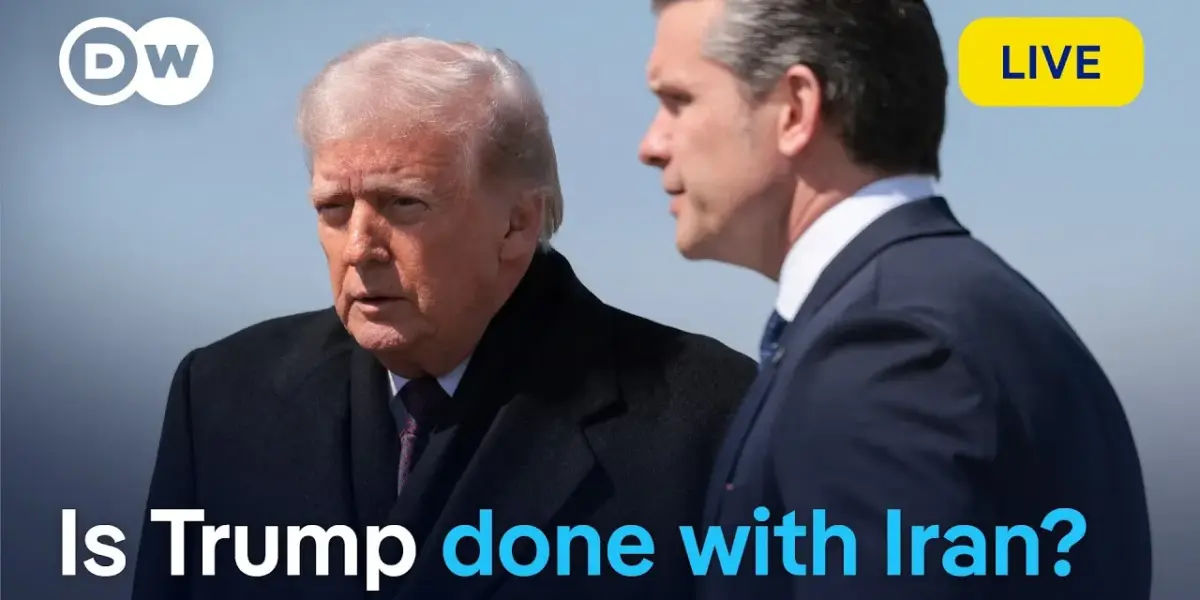
Trump Signals Potential End to Middle East Military Operation
President Donald Trump has indicated a possible shift in U.S. military strategy in the Middle East, suggesting a “winding down” of American operations in the region. This comes amid ongoing tensions and a series of escalating incidents involving Iran. The remarks, made via social media, signal a potential departure from prolonged military engagement, though U.S. officials have also confirmed the deployment of additional troops to the area, creating a complex picture of the administration’s intentions.
Iran Nuclear Facility Targeted in Airstrike
Iran reported that its Natanz uranium enrichment facility was struck by an airstrike. The International Atomic Energy Agency (IAEA) has stated that there has been no increase in off-site radiation levels following the incident. This event adds another layer of concern to the region’s volatile situation, particularly regarding Iran’s nuclear program.
Missile Reports: Diego Garcia and Strategic Implications
U.S. media outlets have reported that Iran launched two ballistic missiles toward the joint U.S.-U.K. military base on Diego Garcia, an island in the Indian Ocean. According to officials, neither missile hit the base. This reported launch, if confirmed, represents a significant expansion of Iran’s reach, potentially stretching its missile capabilities to distances previously thought unachievable. Experts suggest such actions may be more of a strategic shock or political gesture than a direct military threat, aiming to destabilize the region and project power.
Understanding Iran’s Missile Capabilities
The reported missile launch to Diego Garcia, approximately 4,000 kilometers from Iran, raises questions about the extent of Iran’s long-range missile program. While some reports suggest Iran may have used modified missiles with reduced payloads to extend their range, experts note that current assessments place Iran’s effective missile range at around 2,500 to 3,000 kilometers. This incident could be interpreted as Iran demonstrating a willingness to challenge previous self-imposed limitations on its missile reach, signaling a potential shift in its military posture.
Internal Divisions and Shifting War Aims
Experts suggest there are differing views within the U.S. government regarding the objectives of the conflict with Iran. Some believe the aim is complete regime change, while others focus on degrading Iran’s military capabilities. This internal debate over war aims, coupled with market pressures like rising oil prices, could influence President Trump’s decisions, especially with midterm elections on the horizon. The dynamic within the ‘MAGA’ movement itself, with a faction favoring non-intervention and another supporting the use of U.S. power abroad, further complicates the policy landscape.
Regional Reactions and Concerns
Gulf states, including Saudi Arabia, have reportedly expressed private encouragement for President Trump to take a firmer stance against Iran. However, they also appear cautious about escalating conflict, particularly if it risks direct retaliation against their civilian populations. The involvement of regional powers like Saudi Arabia is complex, as they seek to counter Iran’s influence through proxy wars and its support for groups like Hezbollah and Hamas, while also trying to avoid becoming targets themselves.
The Role of the Kurds
The ongoing conflict has also impacted Kurdish populations across the region. Iran has been targeting Kurdish bases within Iraq since the conflict began. While there have been reports of potential U.S. plans to utilize Kurdish forces, Kurdish groups appear to be prioritizing their own survival and self-defense amidst the escalating tensions. Their strategic position makes them vulnerable, and their decisions on engagement could have significant implications for regional stability.
Iraq’s Volatility and Expanding Frontlines
Iraq is also feeling the effects of the wider conflict, with reports of its national intelligence office being hit by a drone. The country’s existing sectarian divisions and the presence of Iran-backed militias create a fertile ground for further escalation. The war appears to be extending into Iraq through various means, potentially opening new frontlines and increasing instability within the nation.
Divergent Goals Between U.S. and Israel
While the U.S. and Israel continue to cooperate on targeting Iranian infrastructure, their long-term goals may be diverging. Israeli Prime Minister Benjamin Netanyahu has indicated that cracks are beginning to show in the Iranian regime. However, analysts note that the messaging from the Trump administration has been mixed. While both nations publicly state they are aligned, observers are uncertain about their ultimate strategies, particularly concerning Iran’s nuclear program and the potential for regime change.
Looking Ahead
The coming weeks will be crucial in determining the trajectory of the conflict. President Trump’s stated intention to “wind down” operations will be closely watched, especially in light of ongoing troop deployments. The international community will be monitoring Iran’s response to the Natanz facility strike and the reported missile incidents, as well as any further developments in its nuclear program. The interplay between U.S. policy, regional dynamics, and Iran’s strategic calculations will shape the future of the Middle East.
Source: Trump mulls 'winding down' the war and says 'other nations' should guard Hormuz | DW News (YouTube)

Related Articles
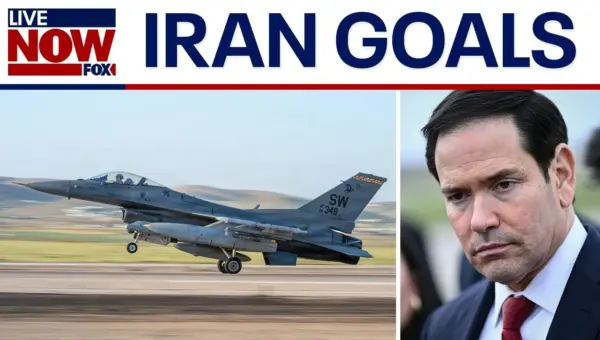
Rubio: US Can Achieve Iran War Goals Without Troops
Senator Marco Rubio outlined a strategy to counter Iran without deploying U.S. ground troops, focusing on weakening the regime and enhancing maritime security. He also criticized Cuba's economic system and expressed concerns about West Bank violence.
Trump’s “Walk Away” Tactic Signals Tougher Stance on China
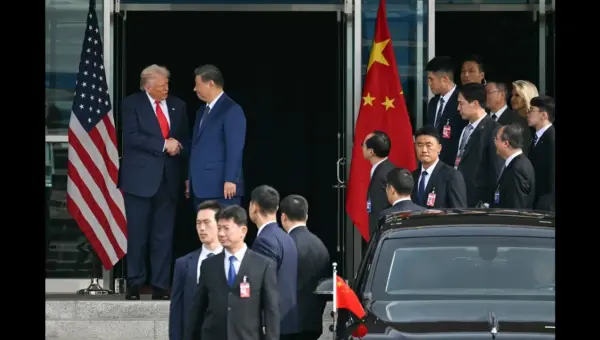
Retired Air Force Brigadier General David Stillwell believes President Trump's strategy of being willing to walk away from negotiations puts pressure on China. This tactic, combined with US global actions and strengthened alliances, signals a more assertive American foreign policy.


Israelis Forge Resilience Amidst Constant Bomb Shelter Drills
Life in Israel is a blend of resilience and constant vigilance, with many families adapting to frequent bomb shelter drills and even sleeping in makeshift shelters. Despite ongoing missile attacks, Israelis strive to maintain normalcy, though businesses face disruption and emotional fatigue is a growing concern.