Trump Faces Deadline: 3 Weeks to End Iran War or Risk Backlash
President Donald Trump faces a critical two-to-three-week window to resolve the Iran conflict, as rising costs and potential domestic backlash loom. Mixed signals from the administration, including hints of winding down the war alongside military deployments, highlight the complex challenges ahead. Allies like the UK are offering support, but the administration grapples with internal dissent and the potential for major escalation.

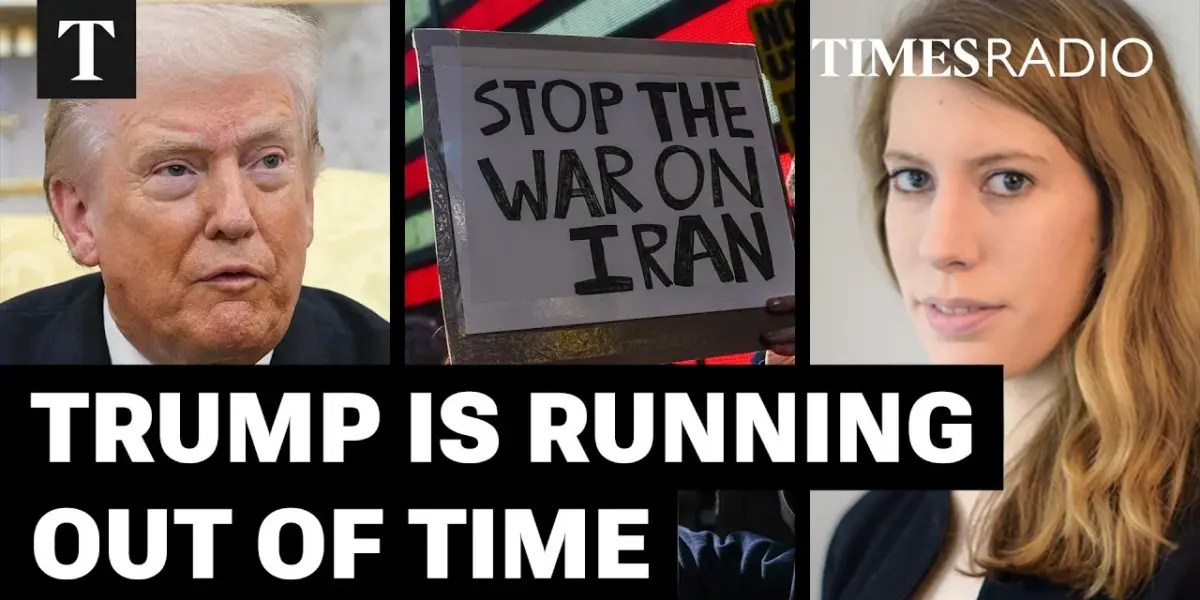
Trump Faces Tight Deadline on Iran Conflict
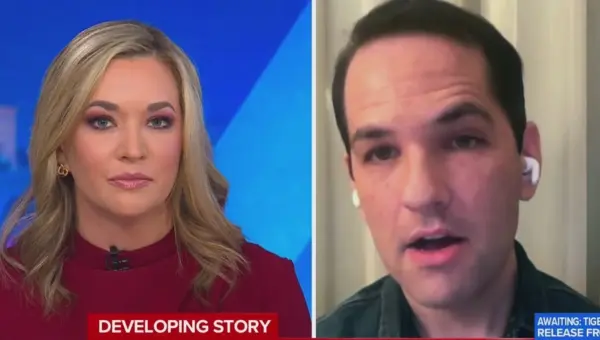
President Donald Trump has a narrow window of two to three weeks to resolve the ongoing conflict with Iran, according to insights from Washington editor Katie Balls. This critical period comes as the administration grapples with rising economic costs and potential domestic political fallout. While Trump has hinted at winding down the war, the complexities on the ground and conflicting signals from the administration suggest a challenging path ahead.
Mixed Signals on War Strategy
Trump has repeatedly stated that the conflict is progressing well and nearing completion. However, these comments often serve as signals to calm markets, which have been impacted by the war’s economic consequences. Balls noted that while the administration has spoken of a four to six-week conflict, the reality on the ground is more complicated.
“Saying you’re planning to wind it up and leave the others to it is one thing. Actually, um, doing so and making sure you can extract and you’re not dragged back in is slightly different matter,” Balls explained. This highlights the gap between public pronouncements and the practicalities of military withdrawal.
Conflicting Actions and Policies
Adding to the confusion, while Trump speaks of winding down the war, there are reports of 5,000 sailors and marines heading to the Middle East. The Pentagon is also reportedly preparing plans for potential troop deployments on the ground. Furthermore, discussions about taking action on K Island, a key Iranian processing site, signal a potential escalation rather than de-escalation.
This strategy of keeping adversaries and allies guessing is a hallmark of Trump’s foreign policy. The situation is further complicated by the U.S. government’s struggle with rising costs, with the Iran war not helping the economy. The recent decision by the Treasury to lift sanctions on Iranian oil at sea, aimed at easing the crisis, could inadvertently benefit Iran, underscoring the intricate nature of the situation.
Domestic Pressure Mounts
Despite Republican voters largely supporting Trump’s handling of the conflict, there is a growing awareness among those close to the president that he cannot afford to let the situation drag on for months. The economic strain and the lack of clear progress are creating significant political pressure.
Balls pointed out that the administration has seen its first resignation over the Iran war, with counterterrorism chief Joe Kent stepping down. Kent’s resignation letter and subsequent interview suggested a belief that Israel may have influenced America into the conflict. This sentiment is echoed by some figures in Washington, even among Trump’s supporters.
UK’s Role and Diego Garcia
The United States has received support from the UK, which is now allowing the U.S. to use Diego Garcia for defense against Iranian attacks in the Strait of Hormuz. While this is a move Trump has desired, Balls suggested it might be perceived as too little, too late in terms of broader sentiment. However, the U.S. clearly prefers having this support than not.
Despite this cooperation, the UK may still find itself on Trump’s list of countries he feels have not done enough. This indicates a continued pressure from the U.S. for greater contributions from its allies.
Potential for Escalation and Legacy Concerns
The possibility of escalating the conflict, such as blockading or taking over K Island, is a significant concern. Such actions would represent a major escalation and could exacerbate the existing internal unhappiness within the administration and the broader MAGA base. This could lead to a potential “civil war” within the movement.
However, Balls also suggested that Trump’s focus may be shifting towards his legacy rather than just re-election. This could make him more inclined to take bold actions, even if they carry risks. The insight from a source close to the White House indicated that Trump might be acting now because he has people around him who support such decisive, potentially risky, foreign policy moves, unlike in his first term.
Looking Ahead
The coming weeks will be crucial for President Trump as he navigates the complex geopolitical and domestic pressures surrounding the Iran conflict. His administration’s ability to de-escalate effectively while managing economic concerns and maintaining domestic support will be closely watched. The decisions made in this short timeframe could significantly shape both regional stability and Trump’s presidential legacy.
Source: Trump Has Two To Three Weeks To End The War Before Facing Domestic Backlash | Katy Balls (YouTube)

Related Articles

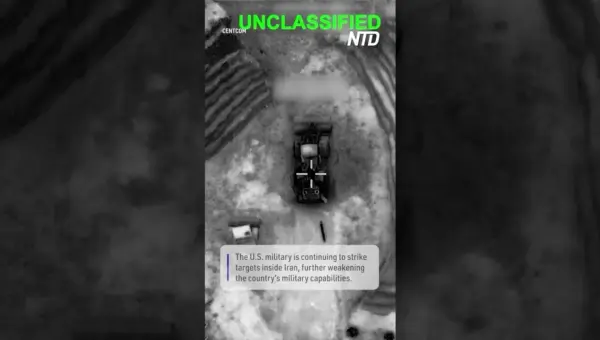
US Strikes Cripple Iran’s Military Might, CENTCOM Reports
U.S. Central Command reports ongoing strikes inside Iran are significantly weakening its military power. This direct action aims to reshape regional security dynamics, but carries risks of escalation. The long-term impact depends on Iran's response and ability to adapt.
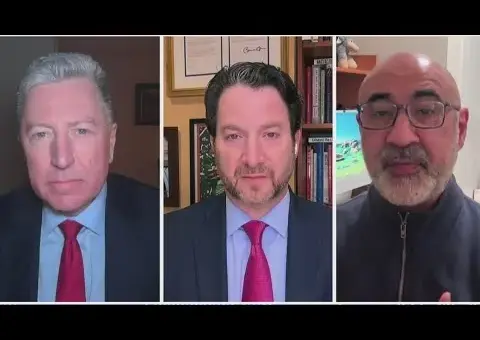
U.S. Iran Tensions Rise Amid Shifting Alliances
Rising tensions between the U.S. and Iran are creating a volatile geopolitical situation. With conflicting signals on de-escalation and potential shifts in alliances like NATO and U.S.-Israel relations, the path forward remains uncertain. The global economy and regional stability hang in the balance.

Protesters Challenge Presidential Power, Ignite Debate
Millions are protesting nationwide under the "No Kings" banner, challenging presidential authority and policies they deem unconstitutional. Organizers emphasize First Amendment rights while debating foreign policy, immigration, and the balance of power.