US, Israel Target Iran Amid Shifting Alliances
The US and Israel are intensifying actions against Iran, aiming to curb its nuclear program. While allies, subtle strategic differences emerge. Domestically, concerns over fraud and political divisions persist.

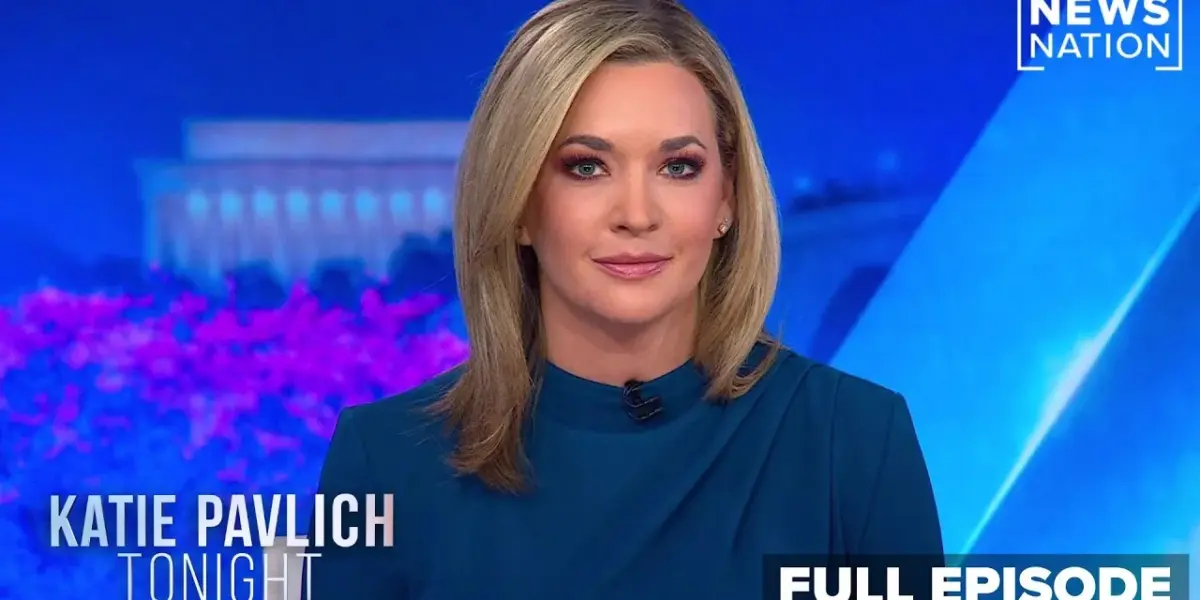
US, Israel Target Iran Amid Shifting Alliances
The United States and Israel are stepping up actions against Iran, aiming to curb its nuclear ambitions and regional influence. This coordinated effort, while presented as a unified front, reveals subtle differences in strategy and priorities between the two allies. Meanwhile, domestic issues in the US, including concerns about fraud and political division, continue to play out.
Iran Strikes Back, Allies Respond
In a significant escalation, Iran has launched a new wave of attacks. These strikes targeted a key oil refinery in the Israeli port of Haifa and previously hit oil and natural gas facilities in Qatar. These actions come shortly after an Israeli strike on Iran’s South Pars gas field. The Israeli Defense Forces have also conducted strikes against what they call “regime targets” in Iran.
In response, the United States has renewed threats against Iran’s energy infrastructure. Prime Minister Benjamin Netanyahu of Israel stated that claims of Israel dragging the US into war are unfounded. He asserted that President Trump makes decisions based on what he believes is best for America and for future generations. He also emphasized that Israel seeks no more from its closest ally, the US, than any other nation, but expects the same level of support.
Differing Goals, Shared Concerns
While both the US and Israel share the goal of preventing Iran from obtaining nuclear weapons, their objectives can differ. Secretary of War Pete Hegsath stated that US goals remain aligned with President Trump’s “America First” policy. However, DNI Tulsi Gabbard noted that the objectives laid out by the President differ from those of the Israeli government.
Ambassador Michael Lichter, Israel’s envoy to the US, explained that allies can have minor disagreements. He stressed that the core objectives are preventing Iran from pursuing nuclear weapons, halting its ballistic missile program, and stopping its funding of regional proxies. He believes that achieving these goals could lead to the collapse of the Iranian regime and empower the Iranian people to change their government. The ambassador also clarified that the strike on the South Pars gas facility was intended to pressure the regime by hitting its energy sources. He noted that it was perceived as potentially impacting global oil prices, leading to a temporary pause in such strikes at President Trump’s request, but insisted that other Iranian infrastructure remains a target.
Historical Parallels and Future Scenarios
Ambassador Lichter drew a parallel between President Trump’s current stance and Winston Churchill’s warnings about Adolf Hitler in the 1930s. He argued that inaction then led to immense loss of life, and that listening to leaders like Trump and Netanyahu now is crucial to preventing future conflict. He also highlighted the ongoing efforts to degrade Iran’s military capabilities, noting successes in limiting missile and drone attacks and targeting naval assets.
The ambassador described the Iranian regime as a brutal, tyrannical structure built over 47 years. He sees cracks appearing, including a breakdown in the chain of command and declining morale among troops, with some units refusing to operate against citizens. He believes these are early signs of change, but emphasized that regime collapse is not immediate. He stressed the need for patience, suggesting that continued pressure will yield significant results, albeit with some short-term pain.
Lebanon and Hezbollah
In southern Lebanon, the Israeli Defense Forces are targeting Hezbollah. The Lebanese government, which has been influenced by Hezbollah, has reportedly asked Israel for help. Israel had previously urged the Lebanese government to prevent Hezbollah’s Radwan forces from moving south and to stop missile launches. While acknowledging Lebanese President Aoun’s commitment to freeing his country, Ambassador Lichter noted the Lebanese armed forces have not yet engaged Hezbollah, a force he described as having taken over the country and oppressed its people.
Domestic Concerns: Fraud and Political Discourse
The program also touched on domestic issues. An independent investigator, Nick Shirley, discussed his findings on widespread fraud in California’s hospice care industry. He detailed how individuals allegedly exploit Medicare beneficiaries, enrolling them without their knowledge and preventing them from receiving necessary medical treatment. Shirley criticized California Governor Gavin Newsom for attacking him rather than addressing the alleged fraud, suggesting this tactic aims to intimidate others from investigating.
The discussion also included criticism of what some perceive as a lack of outrage from Western human rights advocates and progressive groups regarding Iran’s human rights record, particularly its public executions and treatment of dissenters. This was contrasted with the perceived criticism of the US and its allies’ actions against Iran. The segment also briefly mentioned President Trump’s comments regarding Cuba, suggesting it could be a future focus after the Iran conflict.
Global Impact
The escalating tensions between Iran, Israel, and the US highlight a volatile geopolitical situation. The coordinated actions against Iran, despite potential differences in approach, signal a strong alliance focused on a shared threat. The economic leverage, through sanctions and targeting of energy infrastructure, plays a key role in this strategy. The situation also raises questions about regional stability and the potential for wider conflict. Domestically, the focus on fraud and political divides within the US underscores internal challenges that can impact foreign policy and public trust.
Source: Trump-Israel rift grows; $170M California fraud exposed | Katie Pavlich Tonight Full Show 3/19 (YouTube)

Related Articles


US Allies Rethink Ties as Washington Sows Global Discord
Allegations of geopolitical confusion and disregard for allies from the White House are straining international relationships. This perceived unpredictability is forcing nations to reconsider alliances and forge new economic partnerships, potentially reshaping the global order.

Russia’s TV Dreams of Dividing Europe
Russian state television broadcasts increasingly aggressive rhetoric, discussing the division of Europe and dismissing Ukraine's statehood. This contrasts with battlefield realities and official diplomatic stances, highlighting a dual strategy of projecting strength and seeking geopolitical advantage. Analysts warn that these televised fantasies ignore the ongoing war and Ukraine's fight for sovereignty.

Ukraine Strikes Russian Oil Hubs, Straining War Funding
Ukraine's repeated strikes on Russian oil export terminals are targeting the financial backbone of Moscow's war machine. These attacks aim to cripple Russia's revenue streams and force a costly defense of its energy infrastructure, creating significant economic and political pressure on the Kremlin.