Boost Your SEO: Get More Clicks from Google Searches
Google searches are changing, with more searches ending without a click. This article explains why Google is making these changes and how you can adapt your SEO strategy to stay visible and successful.

Understand Why Google Searches Are Changing
Google is making big changes to how search results work. These changes mean fewer people will click on links to visit websites. This is happening on purpose. Google wants to keep people on its own pages instead of sending them elsewhere. If you are focused only on getting website visitors, you might be looking at the wrong goal for your online success.
See the Latest Search Data
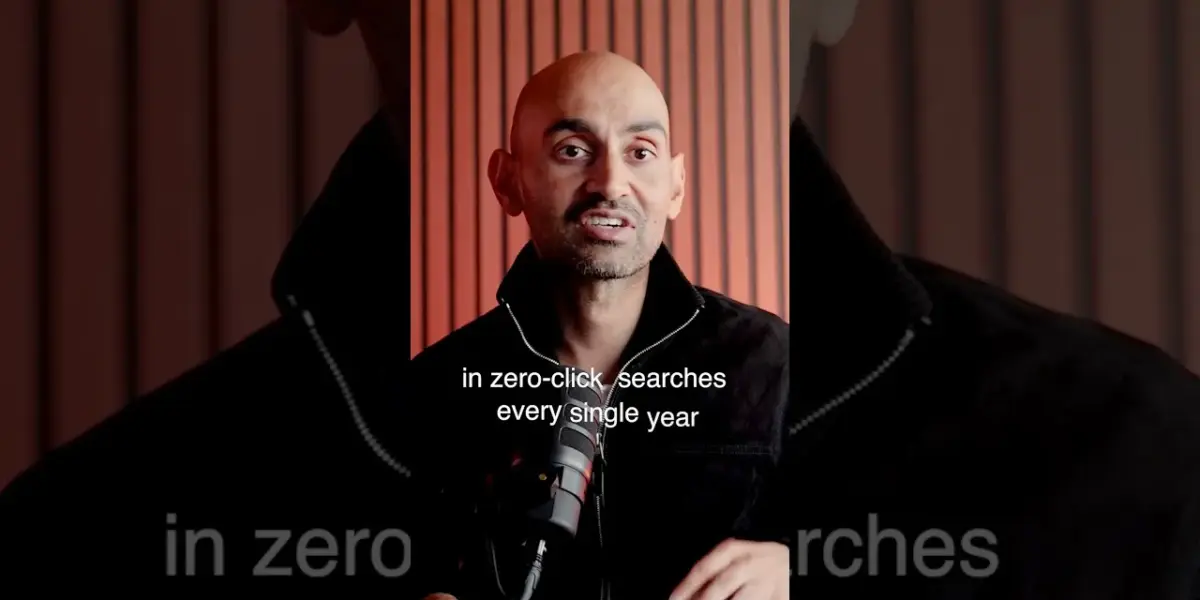
Before AI tools became common, about 57% of Google searches did not result in a click. After AI features were added, this number went up to 59%. This might seem like a small increase, but it shows a clear trend. Google is slowly increasing the number of searches that end without a click each year.
Industry experts believe this trend will continue. Google is making the overall number of searches grow. However, they are not sending more people to websites. This means the total number of available clicks is not growing as fast as the total number of searches. Think of it like a pie getting bigger, but your slice of that pie is getting smaller.
Why Google Is Making These Changes
Google noticed how popular tools like ChatGPT became. People started asking AI questions instead of searching on Google. Google realized it needed to be the place where people find answers directly. If Google doesn’t become the main source of information, another company will take its place.
So, Google made a choice. They decided to reduce website traffic now. This helps them avoid being replaced by new AI technology. They are trying to stay relevant by providing answers right on their search results page.
What This Means for Your Website
This shift means you need to change how you think about online visibility. Getting clicks is becoming harder. You need to focus on what Google shows directly on its search results page. This could be information in featured snippets, answers in the knowledge graph, or responses from AI summaries.
Focus on Being the Answer
Instead of just aiming for website traffic, aim to be the most helpful and direct answer to a user’s question. If Google shows your information without a click, it still counts as a form of visibility. This can build brand awareness and trust.
Optimize for Featured Snippets
Featured snippets are the boxes that appear at the top of Google search results, offering a direct answer. To get these, make sure your content is clear, concise, and directly answers common questions in your field. Use headings and bullet points to organize information.
Adapt to AI-Powered Answers
Google’s AI summaries pull information from various sources. Ensure your website content is high-quality, authoritative, and easy for AI to understand. Providing factual and well-researched information will increase your chances of being included.
Measure Success Differently
Your key performance indicators (KPIs) should change. Instead of just tracking clicks, consider tracking brand mentions, direct traffic from people who already know you, and how often your content is used to answer questions directly on Google. Think about brand awareness and authority as new measures of success.
Expert Tips for Navigating the Change
- Understand User Intent: Know exactly what people are looking for when they type a query into Google. Create content that perfectly matches that intent.
- Build Authority: Become a trusted source in your niche. High-quality content and backlinks from reputable sites can help establish your authority.
- Focus on Long-Tail Keywords: These are longer, more specific search phrases. They often have clearer intent and can be easier to rank for with direct answers.
- Embrace Structured Data: Using schema markup helps search engines understand your content better. This can improve how your information is displayed in search results.
The search world is changing quickly. By understanding Google’s goals and adapting your strategy, you can still succeed even with fewer clicks.
Source: 59% of Searches Now End Without a Click (YouTube)

Related Articles


Tell Google Exactly What Your Business Does
Learn how to use schema markup to explicitly tell search engines like Google what your business offers. This guide explains how structured data can improve your website's visibility and search rankings.


How to Win When AI Becomes Your Customer’s Assistant
Learn how AI is changing search and how to make your business the top choice for AI assistants. Discover strategies to optimize content, build trust, and prepare for direct AI actions.

Boost Your Website Traffic with AI-Powered SEO Tactics
Learn how to use AI to speed up content creation and analyze search data for better SEO. This guide provides actionable steps to drive organic traffic and improve your website's search engine rankings without sacrificing quality.