UK Grants US Access to Bases, Raising Britain’s Risk
The UK is allowing the US to use its military bases, including Diego Garcia, to protect the Strait of Hormuz, a move that significantly increases Britain's risk. Meanwhile, Iran has issued warnings, and a complex sanctions policy is unfolding, even easing some oil restrictions. Potential ground operations targeting key Iranian infrastructure are also reportedly under serious discussion.

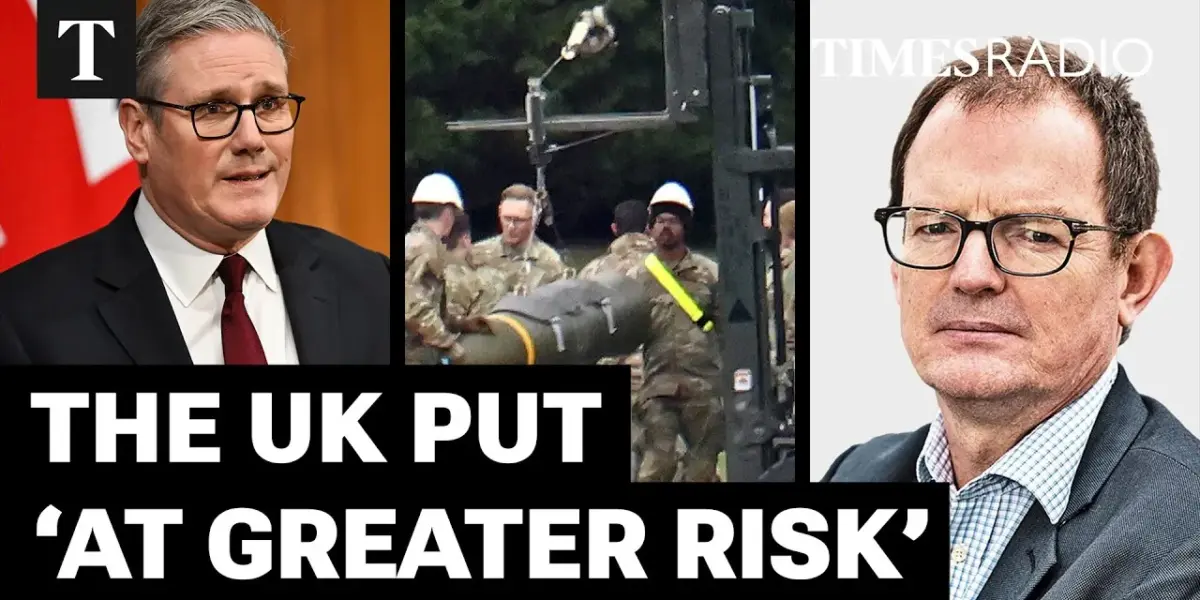
UK Allows US Access to Bases Amidst Growing Tensions
The United Kingdom has granted the United States permission to use British military bases, a move primarily centered around Diego Garcia. This decision allows American forces to operate from these locations to help protect the vital Strait of Hormuz. The announcement comes weeks into ongoing conflict and has drawn attention from various global players, including Iran, which has since targeted Diego Garcia.
Iran Issues Warning, Britain Faces Increased Risk
Richard Spencer, The Times’ correspondent in Doha, Qatar, explained that Iran’s targeting of Diego Garcia serves as a deliberate warning. “There is no war without consequences,” Spencer stated, emphasizing that if Britain becomes more involved in the conflict, it will face greater risks. He noted that the exact endgame remains unclear, even to President Trump.
The decision is seen as an effort by the UK to demonstrate its continued alliance with the US, despite sometimes conflicting signals from the White House. Britain aims to adopt a long-term perspective on international relations, extending beyond the tenure of any single presidency. However, Spencer cautioned that this expanded access for US forces at bases like RAF Fairford and Diego Garcia “puts us at somewhat greater risk.”
Expanded Operations and Shifting Sanctions Policy
Previously, permission for US operations from British bases was limited to defensive actions aimed at preventing Iranian missile attacks that threatened British interests or lives. The new agreement broadens the scope, making it “marginally easier for the US to use a greater range of its forces on a greater range of targets,” according to Spencer. He described the process as a gradual, step-by-step approach under strict international law guidelines.
Adding another layer of complexity, President Trump has eased some sanctions on the purchase of Iranian oil. Spencer highlighted the paradoxical nature of bombing Iran while simultaneously allowing it to earn more revenue. He explained the concept of oil being “fungible,” meaning all oil is essentially interchangeable regardless of its origin. By allowing more Iranian oil onto the global market, the aim is to lower oil prices for consumers worldwide.
The Fungibility of Oil and China’s Role
Spencer elaborated on the economic implications, noting that most of Iran’s oil exports, about 80-90%, go to China, the only country consistently defying US sanctions. China is also the largest importer of oil, with a significant portion passing through the Strait of Hormuz. While China has built up substantial reserves, it is unlikely to release them to benefit other nations.
The argument, as Spencer understands it, is that if China continues to benefit from Iranian oil, other countries should also share in that benefit. This policy shift, while seemingly contradictory, aims to influence global oil prices.
Potential Ground Operations and Strategic Targets
The discussion has also turned towards the possibility of deploying ground forces, a topic Spencer has been reporting on for The Times. He described the potential use of Marine Expeditionary Units, typically around 2,200 Marines with support ships and aircraft, as a “mini task force.”
Seizing Kharg Island: A Hostage Strategy?
One proposed strategy involves seizing Kharg Island, Iran’s main oil terminal where a significant portion of its oil is processed. This move would effectively hold Iran’s oil infrastructure “hostage,” forcing the regime to negotiate an end to the conflict. Spencer described this as an “extraordinary way to proceed” but a potential objective for such an expeditionary force. He suggested that two such units might be needed for such an operation.
Reclaiming Islands in the Strait of Hormuz
Another option being considered is the recapture of three islands at the entrance to the Strait of Hormuz: Greater Tunb, Lesser Tunb, and Abu Musa. These islands, claimed by the UAE, were seized by Iran in the early 1970s and have been a source of tension ever since.
Taking these islands could serve as a reward for the UAE’s resilience in facing missile attacks. It would also provide a strategic base for surveillance and operations to disrupt Iranian activities, such as attacking underwater drones and small speedboats used by the Revolutionary Guard to target shipping. This dual approach of potential ground operations and complex sanctions policy underscores the multifaceted nature of the current geopolitical situation.
Analyzing Trump’s Strategy: Confusion or Deliberate Obscurity?
When asked whether President Trump’s actions reflect confusion or a deliberate attempt to obscure his intentions, Spencer suggested a “very Trumpy” combination of both. He believes Trump relies on gut instinct rather than thorough planning and may not fully grasp the complexities of Middle Eastern warfare.
Spencer also noted that Trump might be placing too much trust in Israeli Prime Minister Benjamin Netanyahu’s planning and assuming that American and Israeli goals in the conflict are aligned. He posited that these goals may not be identical, leading to potential missteps in the current strategy. The situation remains fluid, with further developments anticipated as the conflict evolves.
Source: UK To Allow US To Use Bases: This Puts Britain At Somewhat Greater Risk | Richard Spencer (YouTube)

Related Articles

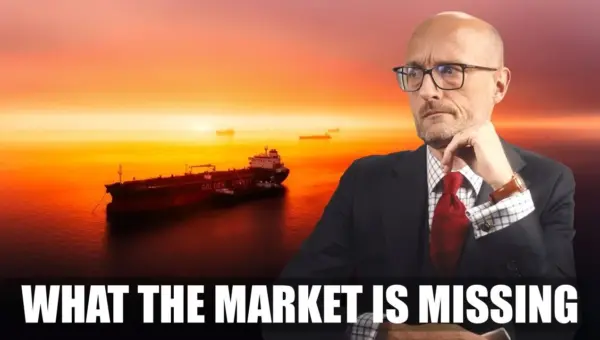
Stocks Ignore War Risks, Focus on “Taco Moments”
Stock markets appear to be overlooking the severe supply chain risks stemming from the Iran conflict, focusing instead on potential diplomatic de-escalations. While the S&P 500 shows resilience, bond and commodity markets signal deep concern over disruptions to critical resources like LNG, helium, and fertilizers.
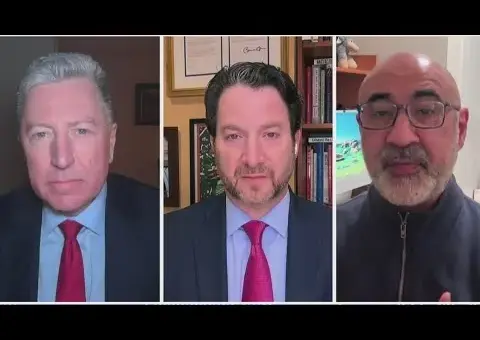
U.S. Iran Tensions Rise Amid Shifting Alliances
Rising tensions between the U.S. and Iran are creating a volatile geopolitical situation. With conflicting signals on de-escalation and potential shifts in alliances like NATO and U.S.-Israel relations, the path forward remains uncertain. The global economy and regional stability hang in the balance.


Iran Targets US With Cyberattacks, Escalating Digital Warfare
Iran is increasingly using cyberattacks to challenge the U.S., as seen in a recent hack of the FBI director's account. Experts say this is a strategic shift due to Iran's limitations in conventional warfare. The U.S. needs to strengthen its digital defenses, focusing on encryption and cloud computing, rather than solely relying on traditional security measures.