Iran Cracks Down: Athletes Face Regime’s Brutal Grip
Iran's public execution of 19-year-old wrestling champion Soleiman Mohammadi highlights the regime's brutal crackdown on dissent. Human rights groups decry unfair trials and forced confessions, while the women's soccer team faced threats against their families to prevent them from seeking asylum. This pattern of repression raises serious international concerns.

Iran Cracks Down: Athletes Face Regime’s Brutal Grip
The story of Iran’s brutal crackdown on dissent has taken a tragic turn with the public execution of 19-year-old wrestling champion, Soleiman Mohammadi. This event, alongside the troubling case of the women’s soccer team, highlights the Iranian regime’s willingness to use extreme force against its own people, especially those who dare to challenge its authority. The regime’s actions send a clear message: dissent will not be tolerated, and even celebrated athletes are not safe.
A Young Champion Executed
Soleiman Mohammadi, a national wrestling champion, was executed by public hanging on Thursday. Iranian authorities claim he was found guilty of killing two police officers during anti-government protests in January. However, human rights groups strongly dispute this narrative. They argue that the trials were unfair, confessions were likely forced through torture, and the entire justice system in Iran is flawed. This execution is not an isolated incident; it is part of a wider pattern of repression.
Wider Crackdown and Human Rights Concerns
According to human rights activists, the Iranian regime has executed over 6,700 people during recent protests. Some reports suggest this number could be even higher. The regime seems more focused on suppressing its population than on providing basic services like electricity and water, let alone a stable economy. President Trump has publicly condemned these executions, adding international pressure on Iran.
Women’s Soccer Team Faces Difficult Choices
Adding to the grim picture, the Iranian women’s national soccer team recently returned home after a tournament in Australia. The situation for these athletes was complex and fraught with fear. Six players and a staff member initially sought asylum in Australia. However, most eventually withdrew their asylum claims and returned to Iran. Reports indicate they returned only after being told their families back home were being threatened or tortured. This highlights the regime’s tactic of using family members as leverage to control its citizens, even those abroad.
Hostage-Taking Tactics and Coercion
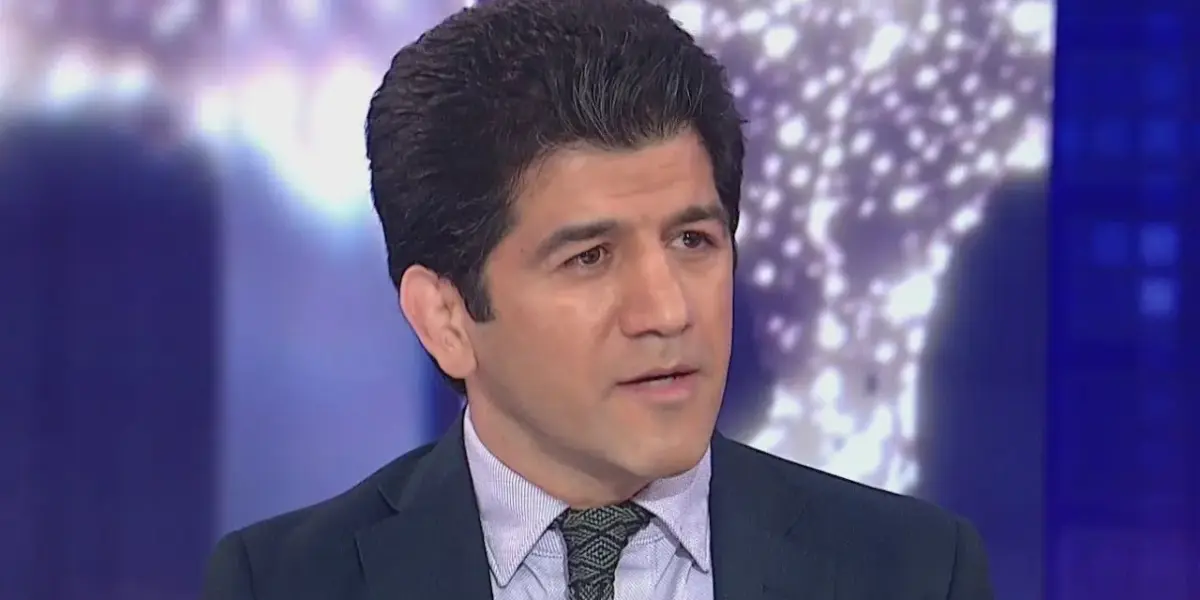
Sardar Pashaei, a former Iranian wrestling coach and activist who campaigned for Mohammadi’s release, spoke about the regime’s methods. He described how his own brother, a fellow wrestler, was severely tortured after being arrested. Pashaei explained that his brother was interrogated while lying down, shown his brother’s tweets and interviews, and told that his family didn’t care about him. This tactic of taking families hostage is a common way for the regime to break individuals and spread fear.
Athletes Targeted for Dissent
Pashaei believes athletes like Mohammadi are often targeted because they are visible figures and their protests can inspire others. He stated that credible reports suggest snipers deliberately killed athletes who were on the front lines of protests because they are brave and in good physical shape. Over 200 athletes may have been killed in protests since January. Mohammadi was not guilty, Pashaei asserted; he was seeking a better future for Iran, one without executions, mandatory hijab, or violence against women.
Call for International Action
Pashaei also criticized international sports organizations, including the International Olympic Committee and various sports federations. He feels they have not done enough to protect athletes from the Iranian regime. He called for Iran to be banned from all international competitions. He pointed out that the regime has banned 40 million women from competing in many sports and has even told wrestlers not to compete against Israel. These actions, he argues, violate the Olympic Charter and encourage the regime’s aggressive behavior. The international community’s inaction, he suggests, emboldens the regime.
Global Impact
The Iranian regime’s harsh response to protests, including the execution of young athletes and the coercion of its national soccer team, sends a chilling message globally. It demonstrates a regime willing to sacrifice human lives and fundamental rights to maintain power. The international community’s response, or lack thereof, will shape future diplomatic relations and the effectiveness of human rights advocacy. The plight of Iranian athletes underscores a broader struggle for freedom and dignity within the country, with implications for regional stability and international norms.
Historical Context
Iran’s current human rights situation is rooted in its history since the 1979 revolution. The Islamic Republic has consistently suppressed dissent, often using the justice system to silence opposition. The use of torture, forced confessions, and public executions has been documented for decades. The regime’s efforts to enforce strict Islamic values, as seen in the treatment of the women’s soccer team, also connect to its ideological foundation and its ongoing tension with Western cultural influences.
Economic Leverage and Sanctions
While not directly detailed in this transcript, Iran’s economy is heavily impacted by international sanctions. These sanctions, often imposed due to its nuclear program and human rights record, limit the regime’s financial resources. However, the regime’s ability to fund its security forces and suppress internal dissent suggests it still possesses sufficient means, possibly through oil sales or other trade, to maintain its grip. The economic hardship faced by ordinary Iranians fuels the protests, creating a cycle of repression and unrest.
Future Scenarios
One scenario is continued international condemnation with limited practical impact, allowing the regime to persist with its current policies. Another is increased international pressure, perhaps through stricter sanctions or coordinated diplomatic efforts, which could force the regime to reconsider its actions. A third, less likely scenario, involves significant internal shifts leading to reform or regime change. The regime’s current approach suggests it favors repression, making significant internal change difficult without sustained external pressure and internal mobilization.
Source: Iran’s execution of wrestler heartbreaking: Human-rights activist | Elizabeth Vargas Reports (YouTube)

Related Articles


G7 Allies Clash Over Iran War Strategy, Urge Focus on Russia
G7 foreign ministers met in Paris, revealing deep divisions over the U.S. war with Iran. European allies urged the U.S. to pressure Russia, linking its actions to the conflict and fearing support for Ukraine will wane.

Iran Blocks China Ships, Exposing Beijing’s Weak Grip
Iran's recent decision to block Chinese ships at the Strait of Hormuz is exposing the limits of Beijing's influence in the Middle East. This action is causing delays and cancellations for Chinese manufacturers, turning a perceived geopolitical win into an economic strain.

Rubio: US Can Achieve Iran War Goals Without Troops
Senator Marco Rubio outlined a strategy to counter Iran without deploying U.S. ground troops, focusing on weakening the regime and enhancing maritime security. He also criticized Cuba's economic system and expressed concerns about West Bank violence.