US Peace Talks Stall Amid Shifting Global Priorities
US peace talks for Ukraine are reportedly stalling as global priorities shift to the Middle East. Russia benefits from high oil prices, while internal US politics and economic concerns complicate diplomatic efforts. Drone technology has emerged as a key area of competition and potential leverage.


US Peace Talks Stall Amid Shifting Global Priorities
Efforts to broker an end to the conflict in Ukraine are reportedly facing significant challenges, as the United States shifts its focus to the Middle East and its confrontation with Iran. This change in priorities, coupled with internal political considerations, is raising questions about the future of peace negotiations and the potential for renewed conflict.
US Focus Shifts to Middle East
According to sources cited by the Financial Times, Washington’s attention has increasingly turned towards the Middle East. This shift is driven by the ongoing confrontation with Iran and the broader geopolitical implications for the region. The move away from Ukraine-focused diplomacy raises concerns that a critical peace process could be jeopardized.
Trump’s Interest Wanes, Moscow Sees Opportunity
Former President Donald Trump is reportedly losing interest in negotiations concerning Ukraine. This, combined with Moscow’s current financial advantage from surging oil prices, suggests Russia has little incentive to make concessions. Analysts believe Russia feels it can strengthen its military capabilities and continue its advances on the battlefield without significant pressure.
“Moscow is making good money on surging oil prices and in my view has zero incentive to make any concessions because it believes it will be able to beef up its uh muscles uh and continue its advancements its advances uh on the battlefield.”
Electoral Politics and Foreign Policy Wins
The upcoming US midterm elections play a significant role in the current diplomatic landscape. Winning these elections may require major foreign policy successes. If efforts in Iran are perceived as failures, President Trump may seek other foreign policy achievements, potentially turning attention back to Ukraine or Cuba.
Ukraine’s Leverage and Russian Strategy
There’s a perception that the US negotiating team is eager for a swift agreement, possibly to lift sanctions and resume business with Russia. However, Russia is seen as pursuing its own agenda, using the prospect of lucrative business deals as a form of leverage. This strategy aims to benefit Russia without necessarily leading to a genuine normalization of relations.
Former Ukrainian Foreign Minister, in a recent discussion, highlighted the differing perspectives on the peace process. While some in the US may see a deal as achievable by Ukraine ceding territory in the Donbas region, this view is often met with outrage from those who believe Ukraine should not surrender its land.
“The war needs to end. The deal is almost done; uh Ukraine is not giving up its uh its territory. Ukraine is the problem…”
Drone Technology: A New Strategic Asset?
In a notable shift, Ukraine’s counter-drone technologies have gained significant attention, especially after Iranian drones disrupted operations in the Gulf States. This has made Ukrainian drone expertise a sought-after asset. However, there are concerns that the US may be hesitant to allow Ukraine to establish a strong position in the competitive defense market of Gulf countries, preferring to promote American companies.
This creates a difficult choice for Gulf nations: partnering with Ukraine for its proven experience or relying on the US for long-term security arrangements and technology. The situation highlights the complex interplay between military capabilities, economic competition, and geopolitical alliances.
Defining ‘World War’ and Economic Stability
The discussion also touched upon the definition of a ‘world war,’ emphasizing that it involves direct conflict between superpowers. The current situation, while involving multiple simultaneous conflicts, does not meet this definition. The potential for a nuclear exchange, while dire, would also be distinct from a world war.
Furthermore, the Strait of Hormuz remains a critical chokepoint not only for oil and liquefied natural gas (LNG) but also for approximately 20% of global fertilizer supplies. Any prolonged blockage could lead to soaring energy prices, trigger a global recession, and exacerbate food security issues worldwide, impacting agricultural seasons and increasing hunger.
Geopolitical Tensions and Economic Fallout
The ongoing geopolitical tensions pose a significant threat to global economic stability. The interconnectedness of energy and food markets means that disruptions in one area can have cascading effects across the world. The ability of OPEC nations to influence oil prices by adjusting supply will be crucial in preventing a worst-case economic scenario.
The current climate underscores the complex challenges facing international diplomacy and the urgent need for stable solutions to ongoing conflicts. The war in Ukraine, while a primary focus, is now intertwined with a broader set of global challenges, from regional conflicts to economic stability and food security.
Source: ⚡️"Russia is playing its own game!" Breaking insider update on end of war! Putin is panicking (YouTube)

Related Articles
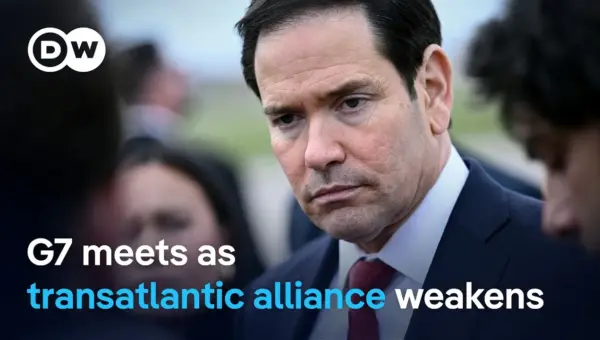
G7 Allies Clash Over Iran War Strategy, Urge Focus on Russia
G7 foreign ministers met in Paris, revealing deep divisions over the U.S. war with Iran. European allies urged the U.S. to pressure Russia, linking its actions to the conflict and fearing support for Ukraine will wane.

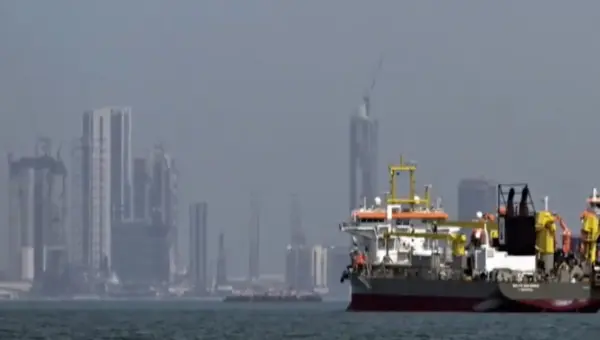
Iran Blocks China Ships, Exposing Beijing’s Weak Grip
Iran's recent decision to block Chinese ships at the Strait of Hormuz is exposing the limits of Beijing's influence in the Middle East. This action is causing delays and cancellations for Chinese manufacturers, turning a perceived geopolitical win into an economic strain.
Trump’s “Walk Away” Tactic Signals Tougher Stance on China
Retired Air Force Brigadier General David Stillwell believes President Trump's strategy of being willing to walk away from negotiations puts pressure on China. This tactic, combined with US global actions and strengthened alliances, signals a more assertive American foreign policy.